
While more than 3,000 ships are believed to have been lost around the South African coastline, records are incomplete and scattered across archives, museums, diving records and historical accounts. This guide brings together documented shipwrecks around the Western Cape into one of the most comprehensive publicly accessible chronological lists available online. The list includes Portuguese caravels, Dutch East Indiamen, troopships, fishing trawlers, cargo vessels, tankers and modern merchant ships.
Visit the alphabetical list of Western Cape shipwrecks or search shipwrecks by region
Contents
Jump to:
- Chronological List of Shipwrecks
- Notable Shipwrecks
- Shipwreck Patterns and Statistics
- Why shipwrecks occurred here.
Listed here are are about 950 of the recorded shipwrecks along the Western Cape coastline, from the West Coast and False Bay through to Cape Agulhas, one of the worst maritime disaster zones in South Africa (Many were wrecked in the area of the foreshore before reclamation, when the breakwater was completed) The wrecks are listed in chronological order, including vessel names, dates, locations, and some key historical details. It also links wrecks to nearby towns, museums, and coastal landmarks where relevant. Some of those recorded were deliberately scuttled.
Use the jump links below to browse the chronological list or explore notable wrecks and patterns.
Notable Shipwrecks
- The Arniston
- Birkenhead
- The Thomas T Tucker
- The Kakapo
- BOS 400
- Merenstein, treasure wreck
- Meermin
Shipwreck Patterns and Statistics
The Western Cape coastline has one of the highest concentrations of recorded shipwrecks in South Africa, with over 500 years of maritime losses documented along its shores.
- The earliest recorded wreck was The Soars in 1505
- 68 wrecks were recorded in January, although some unknown dates are recorded as January 1
- December appears to be the safest month to sail
- The worst month is May: 82 wrecks listed here
- Peak danger: winter storms (May–August)
- Worst years: 1722, 1879, 1861, 1865, 1831, 1880 and 1877
- The 1865 Great Gale was the worst recorded, with 15 vessels lost in one storm,
- 25 wrecks in 1942 are mostly attributed to wartime losses
- Area with the most wrecks: Table Bay, Struisbaai/Cape Agulhas and Robben Island is also a risky place to sail.
- The Treasure in the year 2000 was one of South Africa’s worst marine environmental disasters,
- The Cape is one of the busiest sea routes globally, with 12,000 ships passing annually
Why shipwrecks occurred along the Western Cape coastline
The Western Cape coastline has a high concentration of shipwrecks due to strong currents, winter storms, early trade routes, and limited natural harbours. Over centuries, this made the Cape of Storms one of the most dangerous maritime routes in the world.
Shipwrecks along the Western Cape coast have occurred since the earliest voyages of exploration. Records of these incidents began with the arrival of European navigators and continue through the age of sail and into the modern era. Research shows that most shipwrecks resulted from a combination of natural hazards, human error, and, to a lesser extent, technical failures. The history of shipwrecks around the Cape reflects not only the dangers of the sea but also the region’s importance as a major maritime route linking Europe, Africa, Asia, and later the wider world.
Treasure stories
. Some of the hundreds of wrecks have become quite famous, such as the Arniston and The Birkenhead, and others have just sunk into the crowded ship’s graveyard within the South African waters.
Records of shipwrecks around the Western Cape coast go back 500 years. Portuguese navigator Bartolomeo Diaz first rounded the Cape in 1488. However, only very few of these could be said to be true “treasure ships” that carried large amounts of gold and silver coins or other treasures.
Coins or jewellery recovered from shipwrecks were mostly personal possessions carried by wealthy passengers and officers. However, the Birkenhead was said to have been carrying a military payroll of £240,000 in gold coins. The gold coins are thought to have been intended as payment for soldiers fighting in the Eastern Cape border wars.
One of the best-known shipwrecks that yielded a lot of gold coins was the Merenstein. It hit the reefs on 3 April 1702 near Saldanha. Only 99 of the 200 people aboard the ship survived. There were several chests of silver coins intended for trade in the East Indies. Salvage plans were immediately undertaken, but the area was difficult to dive, and all attempts were abandoned. However, the wreck was discovered in the early 1970s, and around 15,000 Dutch silver Ducatoons from the 1600s were found. It is believed that this was only part of the treasure that was aboard the ship.

Coastal inhabitants recorded vessels in their rock art. For example, near Porterville, a rock painting depicts a sailing ship, showing how ships were observed long before formal records existed.
Life Aboard a Sailing Ship
The great sailing ships that rounded the Cape of Good Hope were among the greatest engineering achievements of their age. Built entirely from timber, iron, hemp and canvas, they carried hundreds of passengers and crew, together with cannons, livestock, food, fresh water and valuable cargo. Every plank was shaped by hand, every rope twisted from hemp and every sail stitched without machinery.
A voyage from Europe to the Cape usually took three to four months, with many ships continuing for several more months to the East Indies. For much of the journey there was no sign of land, only sea and sky. Captains relied on the sun, stars, magnetic compasses, sandglasses and careful calculations to find their way across the oceans.
Life on board was crowded and demanding. Sailors slept in canvas hammocks below deck. Their diet consisted mainly of hard ship’s biscuits, salted meat, dried peas, rice and water stored in wooden casks. Fresh fruit and vegetables were quickly exhausted, and scurvy became a constant threat on long voyages. Many ships also carried chickens, goats, pigs or sheep to provide fresh food during the journey.
Crews worked around the clock repairing sails, climbing the rigging, pumping water from the bilges, handling cargo and standing watch in all weather. Discipline was strict, as a single mistake during a storm or while handling heavy sails could cost many lives.
Storms posed a great danger. Huge waves and violent winds often broke masts and tested both the ship and the crew. Many sailors could not swim, and anyone washed overboard had little chance of survival.
After months at sea, the sight of land brought enormous relief. The Cape offered fresh water, fresh food, repairs, and medical care.
Ghost ship
According to legend, in 1641, a Dutch ship commanded by Captain van der Decken was sailing back to the Netherlands. After a successful trip to the east, the ship was returning via the Cape of Good Hope. A storm was brewing, but the captain was determined to press on. The ship was wrecked on submerged rocks.
It is said that if you look over the sea into the eye of a storm, you may see the ship The Flying Dutchman. The legend claims that anyone who sees the ship is cursed.
Legal Protection of Shipwrecks
Some people have made an interesting hobby of diving shipwrecks, and some even make a living from these unfortunate stories. There are even enterprises that do guided dives. Where a ship has wrecked more than 60 years ago, the artefacts are off-limits, as the vessel and anything connected with it become the property of the state. No salvage or commercial exploitation is allowed at the historical wreck sites within 24 nautical miles of the coast. There have, however, been interesting artefacts that have washed up onto the beaches, which hint at the treasures that lie on the seabed. The Shipwreck Museum in Bredasdorp has collections on display of some of these treasures.
Weather
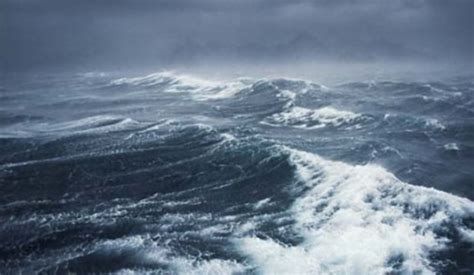
The weather patterns that give rise to storms around the Cape originate at 40 degrees South (known as the Roaring Forties), where the winds circle the Earth in a westerly direction. The reason these winds become so strong is that there is not much land to slow them down. From time to time, a low-pressure system circulates, breaks off the 40s, and heads towards the western coast of South Africa, causing large waves and thick fog. The storms lash at the coast, causing the seas to become treacherous. This was the reason that the Dutch East India Company developed a safe harbour in Simon’s Town, where ships would overwinter.
Navigation
Ships often had to choose between hugging the coastline and risking submerged reefs, or sailing further offshore and extending their voyage by several days.
The number of wrecks along the Western Cape coastline attests to unfortunate choices and often sheer bad luck. See the glossary of shipping terms
Shipwrecks around Robben Island
The waters around Robben Island have proved particularly treacherous. More than 70 documented shipwrecks lie around the island, most on the rocky western shore exposed to prevailing winds and swells. Robben Island is the exposed summit of a submerged mountain connected to the mainland by an underwater ridge. Hidden reefs, strong currents, winter storms, and poor visibility made navigation difficult for early sailors, and many vessels were wrecked while attempting to enter or leave Table Bay.
Life After the Wrecks
In times gone by, when ships wrecked close to the shore, the salvaged goods were often auctioned on the closest beach. There is a beach named Smits Winkel (Smits shop), possibly from this time. Many early houses along the coast were furnished with salvaged goods such as sailcloth and ship’s furniture, and roof trusses were made from packing crates and parts of the ship hull. See Arniston and Kassiesbaai, “Crates Bay”. Sometimes, surviving sailors made their homes with the indigenous people and often married into the district; their knowledge and heritage are reflected in building styles adopted by the locals, such as the whitewashed and thatched fisherman’s houses that can be seen in various villages along the coastline.
Modern Shipping and Environmental Risks
The sea route around the Cape is still the main route for the transportation of oil from the Middle East to Europe and North America. It is estimated that over 30 million tons of crude oil pass these shores. Wreckage from these ships can cause environmental havoc, and SANCCOB is an NPO that has been set up to rescue seabirds impacted by oil spillage.
Below is a list of shipwrecks, most of which (but not all) are recorded by the South African Heritage Resources Agency. The list is long and is one of the most comprehensive publicly available lists of shipwrecks along the Western Cape coast. Many more ships have been lost off the Southern Cape coast; around 3000 have been noted. Some of the wrecks listed do not have exact dates recorded, but notable, however, are some significant dates. There was a disproportionate number of wrecks listed that happened on New Year’s Day*. However, it is noted that in some records, when the date of wrecking is not known, it is often given as having occurred on either the 1st of January or, if it is known to have occurred around winter, on the 1st of June. Records also differ on the precise dates.
Perhaps some of the wrecks occurred due to bad luck or sailors’ hangovers after a New Year celebration; there is no record. Some years seem to have been unluckier than others. There were spectacular storms in some years when multiple ships were wrecked on the same day, 1722 being the worst. 1879 was a bad year with 10 wrecks recorded.1861, 1871, 1874 and 1877 saw 5 wrecks each, four in 1965, three the year the Birkenhead sank, and there were 6 in 1996. December seems to be the safest month in which to travel by ship around our coastline, May and June being riskier; of course, there is January! 68 wrecks happened in January, according to the records I found.
Read about the recent exposure of a very old wreck after wild storms in Plettenberg Bay
See the story of shipping insurance, Lighthouses around the Western Cape coast and the glossary of shipping terms
Chronological List of Shipwrecks in the Western Cape
Shipwrecks by Date
Jump to
1505 The Soars wrecked in Mossel Bay; it was the first Portuguese shipwreck in the Cape, as well as the first recorded shipwreck in the area. When the remains of the ship were discovered some time later, the crew and cargo were nowhere to be found. (1)
1600–1700
1611, Jaeger of Hoorn. The first recorded shipwreck in Table Bay on the northern shore of Robben Island was a Dutch commercial sealer. (1)
1628: French jacht Jaeger (ex Prinsens Jagt,)wrecked near Woodstock beach during a northwest gale, on 27 July (1)
1644: Dutch ship Mauritius Eylant ran aground on the rocks at Mouille Point on 16 February. It was refloated only to run ashore at the mouth of Salt River, where the cargo could be salvaged. The surviving crew of about 100 had to wait for four months before being rescued by the Tijger.(1)
1647 Nieuw Haarlem was a Dutch ship that ran aground in Table Bay on 25 March. All the crew survived and made cordial contact with the local people, leading to the establishment of a refreshment station at the Cape. (1)
1660, The French ship La Maréchale was wrecked in Table Bay after all three of its anchor cables parted and it ran aground near the Salt River mouth on 19 May, in a northwest gale. The Schapenjacht, a Dutch vessel, was wrecked near Robben Island on 1 August. It was completely dismantled, and no trace remains (2)
1668: Dutch hoeker Schollevaar, wrecked on 31 May just north of Bokpunt. It was run ashore where it was wrecked because the skipper was drunk while tackling a north-westerly gale near Yzerfontein. Two people drowned.(1)
1673 The De Grundel was a Dutch wooden sailing vessel/Hooker that sank near Betty’s Bay on 20 February, and on 23 August of the same year, the Zoetendal, a Dutch wooden sailing vessel (Flute), wrecked on August 23 off Struisbaai. (2)
1674 Bruydegom was a wooden sailing vessel that struck a rock between Meeu Island and Schaapen Island in the Langebaan lagoon on April 9 It drifted into the shallower water, finally foundering in Kraal Bay. It had a cargo of limestone and shells on board. (1)
1680 The Ternate, a Dutch wooden sailing vessel, wrecked at Hangklip on 1 July. (1)
1682 The Joanna, a wooden sailing vessel (East Indiaman), was wrecked 19km west of Cape Agulhas (Near Asfontein) on 8 June. It was the first East Indiaman to be wrecked off the South African coast. A considerable amount of gold was on the ship. (1)
Schooner
1686 The Jupiter 1 was a Dutch wooden sailing vessel (Yacht) that wrecked at Struisbaai, Cape Agulhas, on 1 January 1686. The Nossa Senhora dos Milagros was a Portuguese wooden sailing vessel (East Indiaman) also wrecked on April 16 at Struisbaai. (2)
1691: Portuguese warship Sarpine wrecked near Hottentot’s Holland during a southeast gale. (1)
1692: Dutch pinnace Goede Hoop, wrecked near the Salt River mouth on 5 June during a northwest gale, the same day the English East Indiaman Orange, also wrecked close by, and the Dutch Jacht Hogergeest, wrecked in Table Bay on 10 June. (3)
1693 The Gouden Buys A Dutch East India Company ship bound for Batavia was decimated by scurvy. Drifting off the West Coast, it eventually wrecked in St Helena Bay on October 19. Only two crew members survived. (1)
1694: On 20 January, the Dutch Jacht Dageraad, which was carrying the treasures and survivors of the Gouden Buys, was wrecked on Robben Island; as it wrecked, 16 men drowned(1)
1697: Dutch vessel Oosterland was wrecked in Table Bay on 24 May in a northwest gale, and the Dutch ship Waddinxveen, also wrecked on that same day near the Salt River mouth. It is believed that only about 17 of the 400 people that were on board these vessels survived. Both wrecks were rediscovered during the late 1980s. Excavations revealed many artefacts that lay preserved. These artefacts helped to further our knowledge of what life was like on board these ships and give a clearer picture of what was being traded between Europe, Southern Africa and the Far East. (2) (22)
1701–1750
1702 The Merenstein, A Dutch East Indiaman built in 1693, was a Dutch pinnace that wrecked on April 3. The Dutch East India Company vessel struck a reef off the southwestern point of Jutten Island in Saldanha Bay (1)
1709 Nagel was a Dutch wooden galiot that was wrecked after a fire burned it down to the waterline in Kraalbaai, in Saldanha Bay, on May 27. It was used to transport goods around the Cape Colony and was being used as a fishing vessel at the time it was lost. ( 1)
1722 On the night of 16–17 June, a violent north-westerly gale struck Table Bay, causing one of the worst single-day maritime disasters in the history of the Cape. Around 10 ships were driven ashore or wrecked with heavy loss of life and cargo. Among the losses were the Cape brigantineAmy, the English East Indiamen Addison, Chandos, and Nightingale, the Dutch East Indiaman Rotterdam, and the Dutch ships Standvastigheid, Zoetigheid, Lakenman, Gouda, and Schotse Lorrendraaier. Later that year, on 20 December, the Dutch East Indiaman Schoonberg was wrecked at Northumberland Point near Cape Agulhas. (11)
1723 Meteren was a Dutch wooden sailing hoeker/packet that was outbound from Texel to the Cape to be used as a packet between Cape Town and Delagoa Bay, when it wrecked near Olifants River on November 7 after dragging its anchors. (1)
1728: Dutch vessel Middenrak, wrecked in Table Bay on 3 July in a northwest gale near the Salt River mouth, and the Dutch ship Stabroek, wrecked close by on the same day. Some of the cargo was salvaged by divers. The Dutch ship Haarlem, wrecked in Table Bay, also near the Salt River mouth, on 4 December Of the 107 that were on board, only 16 survived. (3)
1729 The Saxenburg, a Dutch wooden sailing vessel (Provision Ship), wrecked at Cape Agulhas on 9 January. (1)
1734 Huijs Te Marquette was an East Indiaman that was damaged in a storm in June. Extensive repairs were carried out, and she returned to Holland. On November 30, De Hoop, a wooden sailing galiot, wrecked during a north-westerly gale on Dassen Island (2 )
1736 Dutch brigantine Fijenoord, wrecked on 1 July in Table Bay near the Salt River mouth late at night. One life was lost. It had been used in the salvage operation on the wrecks of the Merestein (1702) and the De Hoop (1734). (1)
1737: On 21 May, a powerful north-west gale struck Table Bay, driving numerous Dutch vessels ashore and causing one of the largest shipwreck disasters of the 18th century at the Cape. Ships lost during the storm included the Dutch East Indiamen Duinbeek, Lepenrode, Paddenburg, Flora, and Westerwijk, as well as the Dutch vessels De Buis, Goudriaan, Rodenrijs, and the brigantine Victoria. Most of the wrecks occurred near the mouth of the Salt River and along the shores of Table Bay, with several vessels being driven onto the beaches at present-day Woodstock. The disaster highlighted the dangers of Table Bay’s exposed anchorage, where ships riding at anchor were vulnerable to sudden winter storms and strong north-westerly winds. (9)
1747 Reygersdaal, this Dutch East Indiaman vessel was on an outward-bound journey from Holland carrying a cargo of eight chests of coins and a large amount of lead ingots. Many of the crew were ill, and many died, and the weakened crew were unable to man the ship in a gale on October 25. The ship wrecked near Silwerstroomstrand with great loss of life. Up to 20 000 silver coins were recovered during the 1980s in a salvage operation. The wreck lies in shallow water on a reef and is a very difficult dive due to the sea conditions. (1)
1740 Dutch ship Vis, wrecked in Table Bay at night on 6 May, a short distance south of Green Point lighthouse while attempting to come to anchor during a gale. The vessel was outward-bound to the far east. On board were 20 chests of currency, including silver ingots, coins, and copper plate money. The ship wrecked so close to land, a makeshift cable was strung to the shore, and a large copper cauldron was used to transport people to safety. There were reports of 3 sick people who drowned along with one other person who filled his pockets with coins and was dragged under the waves (1)
1750 The Le Centaur, a French wooden sailing vessel (East Indiaman), sank at the Ratel River mouth on 19 January. (1)
1750 The Elephant was a Danish ship that ran ashore close to the Gourits River while on a homeward-bound voyage from Tranquebar, India, on 8 August. She was trying to reach Mossel Bay but was deliberately wrecked to save the lives of the desperately ill crew. No lives were lost; the crew of 65 managed to walk to Cape Town. (1)
1751–1799
1752 Kroon Princess van Denmerken was a Danish East Indiaman that was damaged in a storm. It put into Mossel Bay on 9 June 1752, but was abandoned after its cargo had been saved. (1)
1756 French slave ship La Cybelle of twelve guns wrecked a little north of Bloubergstrand, 19 March, on a voyage from Guinea to Mauritius with a cargo of slaves. It entered the bay in search of fresh water when it ran aground, and the Cape vessel Schuilenberg wrecked on 3 June. She left Cape Town for Simon’s Town with a cargo of stores and ran into a violent storm and disappeared somewhere near Camps Bay (2)
1757 Dutch provision ship Voorzichtigheid, wrecked in Table Bay on 8 June at the Salt River mouth in a northwest gale. (1)
1763 La Fortune was a French man-of-war that wrecked opposite the freshwater spring near Kanonpunt in Vleesbaai in the Gourits area on 11 September. (Some records say 27 September)It was on a voyage from Reunion. None of the crew of 441 soldiers and sailors was lost. They travelled overland to Cape Town. A cannon from the ship is wedged in the rocks and can be seen at very low tide. All valuables were removed from the wreck at the time. The area name ‘Fransmanshoek’ honours the Frenchmen who survived the wreck. (1)
1766 The Meermin, a Dutch Wooden Sailing Vessel (Hooker – Cape Packet), wrecked at Cape Agulhas on 22 February. (1)
1773 Die Jonge Thomas at Paarden Island on 1 June. This was where Wolraad Woltemade drowned, attempting to rescue the passengers and crew. (1)
1776 Dutch East Indiaman Nieuwe Rhoon was badly damaged when it struck Whale Rock during a south-easterly gale on 31 January. It was towed to the Castle Jetty and beached to salvage the cargo, and the French ship La Cere was wrecked in Table Bay during a northwest gale on 15 October, near the Salt River mouth. (2)
1778, the Colebrooke of the East India fleet was wrecked in False Bay. It was a three-decked British ship that was intentionally grounded on 25 August off Kogel Bay beach after sustaining severe damage from an impact with Anvil Rock at the mouth of False Bay (1)
1780 The Mentor was a Dutch wooden sailing vessel (East Indiaman) that wrecked at Cape Agulhas on 5 January. (1)
1781 Middelburg, a wooden Dutch East Indiaman, was scuttled during the “Battle of Saldanha” to avoid capture by the British on 21 (1)
1782 French corvette Le Victor of 16 guns, wrecked in Table Bay on 24 September near the Salt River mouth during a northwest gale. (1)
1783 The Nicobar, a Danish wooden sailing vessel (East Indiaman), wrecked at Ratel River Mouth on 11 July 1783. (1)
1784 French 64-gun ship Sévere wrecked at Bloubergstrand in Table Bay on 27 January on a voyage from Mauritius to France with a regiment of soldiers. Everyone survived the Dutch fluyt Hoop, wrecked in Table Bay at Mouille Point on 30 June. (2)
1785 The Brederode, a Dutch wooden sailing vessel (East Indiaman), struck a reef off Cape Agulhas on 3 May.(1)
1786 Dutch ship HMNS Holland, wrecked on 11 March at night near Olifantsbos, Cape Point. La Rozette was a French wooden-hulled sailing brig that was found wrecked and abandoned near Platboom beach on August 19. A few days later, six suspicious seamen were found in Cape Town and arrested. There had been a mutiny. The mutineers were executed, and Dutch hoeker Katwijk aan den Rijn was driven ashore in a gale in Simon’s Bay on 7 October without loss of life. (3)
1788 Dutch East Indiaman Avenhorn, wrecked during a northwest gale in Table Bay on 17 May. Maria, was a wooden-hulled Dutch flute that was found by the Meermin, with most of its crew having died from scurvy. The Meermin’s crew assisted in bringing it to Plettenberg Bay, but a south-easterly gale blew up, and it was driven ashore and wrecked on August 23. (2)
1789 The Dutch ship Drietal Handelaars was wrecked on the rocks at Swartklip in False Bay on 16 May after dragging anchors in a southeast gale. The HMS Guardian was a 44-gun Royal Navy Roebuck-class ship that was badly damaged by an iceberg. It sailed 1900 km to the Cape, where it was deliberately scuttled on 24 December. (2)
1790 Danish East-Indiaman Erfprins van Augustenburg was driven ashore by a gale and wrecked in Table Bay on 12 April, and the Italian barque Maria was wrecked the same day; it was a wooden sailing barque that wrecked near the Salt River mouth. It was anchored in the bay when a great north-westerly gale parted it from its cables. It was one of 7 ships to have been driven ashore during this gale; however, most of these were refloated(2)
1792 Dutch fluyt Drie Gebroeders, beached in Simon’s Bay on 2 June due to a leak in the hull. (1)
1793 Dutch East Indiaman Zeeland and the Dutch hoeker Sterreschans, which was bought by the Amsterdam yard, wrecked in Table Bay during a northwest gale on 22 May. (2)
1794 La Jardiniere was a French wooden sailing vessel that sank at Zoetendalsvlei, Struis Bay on 1 January, and São José Paquete Africa was a Portuguese slave ship that was wrecked on the rocks off Cape Town. On 27 December, over 200 slaves drowned. The wreck was rediscovered in the 1980s but was only positively identified in 2015. (2)
1796 Gothenburg, a Swedish East Indiaman, wrecked at Green Point on March 8. The Lord Hawkesbury was a British wooden sailing vessel (Whaler) that wrecked at Zoetendalsvlei (Struisbaai) on 26 May. The boat had been taken off the coast of Brazil as a prize ship by the French. Three English sailors were employed to sail the vessel to Mauritius. Still, one of these sailors managed to run it aground when the French officer lost concentration, and the American vessel Columbia was wrecked in Table Bay on 4 June. Crescent was a wooden-hulled sailing vessel that wrecked in Simon’s Bay on August 12. On 17 August, the Saldanha (part of the Batavian Fleet Capitulation in Saldanha Bay). The entire Batavian expeditionary fleet under Rear-Admiral Lucas was trapped by a superior British naval force and surrendered unconditionally. (5)
1798 Jefferson, a wooden American sailing vessel, was wrecked in Table Bay on 9 May. (1)
1799 On 5 November 1799, a violent north-west gale swept across Table Bay, causing one of the deadliest maritime disasters of the period. Vessels wrecked or driven ashore included the American ship Anubis, the Dutch ship Oldenburg, British whaler Sierra Leone, and HMS Sceptre, a 64-gun third-rate ship of the Royal Navy, which was blown onto the rocks in Table Bay with heavy loss of life.Hannah was driven ashore near the Castle, while several other vessels ran aground but were later refloated. (5)
1800–1850
1800: British sloop Benjamin lost with all hands at Gordon’s Bay on 20 September. (1)
1803 The John, a British wooden sailing vessel (Brig), wrecked at De Kelders on 16 September. (1)
1805 The Brunswick was driven aground in a storm on 25 September ( dates differ ) after losing three anchors off Long Beach. French frigate L’Atalante was wrecked during a northwest gale in Table Bay at the Charlotte battery on 3 November. That same day, the American ship Hunter also wrecked in the bay, and the French privateer Le Napoléon was driven ashore at Olifantsbos on the Cape Peninsula on Christmas Day after a chase by the frigate HMS Narcissus. (4)
Brigantine
1806 The Staaten Generaal, a Batavian republic, was renamed Bato. On returning to the Cape, she was found to be in a bad condition and turned into a gun platform and anchored in Simon’s Town to guard the approach. In January, after the Battle of Blaauwberg, she was scuttled to prevent her from falling into enemy hands. The ship Bato burned and ran aground in Simon’s Town. After years of sea adventures, it was declared unseaworthy, and it was burned at anchor off Long Beach on 8 January. The French frigate Atalante was also wrecked at Simon’s Town during the British attack on the Cape on 10 January. Although she had previously been driven ashore by a storm near the Cape in November 1805 and was later refloated and repaired, British reports state that she was ultimately destroyed after being run aground during the conflict. The 12-gun privateer Fame was at Green Point on 15 September when a squall carried away rigging, including the topmasts. The vessel ran aground and broke up on Robben Island. No lives were reported lost, and a large portion of the cargo was saved. (4)
1807 Ganges, a British East Indiaman, foundered south of Cape Agulhas. It was just off the Cape of Good Hope when it sprang a leak. Fortunately, the Earl St Vincent was in convoy and managed to rescue the crew; it sank on 30 May (1)
1808 La Lucie was a wooden sailing vessel that wrecked on October 11 at, “Losperds Bay” the original name for Blaauwberg.(1)
1809 The Edward, a British wooden sailing vessel, sank at Zoetendalsvlei, Agulhas, and the French prize vessel Pénélope, a wooden sailing schooner, was chased into Table Bay on 16 April by HMS Olympia as it was caught smuggling, and the HMS Olympia forced it into Table Bay. It ran aground and wrecked near Milnerton. Reliance, an American wooden sailing vessel, was broken up in Table Bay on December 16 (3)
1810 A storm off Plettenberg Bay resulted in the wreckage of two vessels on July 11. The Fanny, a wooden-hulled brig trading wood and The Flora, a wooden-hulled transport vessel. British ship Feniscowles wrecked at Green Point on 21 October (3)
1811 Clipper, this wooden sailing brig wrecked near the Battery on Woodstock Beach on December 28 (1)
1812 On May 14, Endeavour, a British sailing sloop, wrecked in St. Helena Bay. (1)
1815 Arniston was a British wooden sailing vessel (Barque) that wrecked North of the village of Arniston (Named after the ship that wrecked) on 30 May (1)
1816 Wooden-hulled sailing vessel Discovery, wrecked on Woodstock beach on 29 July; the same storm wrecked the Vessel Young Phoenix in Table Bay. The Brig Camille was wrecked at Muizenberg beach on 18 October, and the British wooden ship Woodbridge was wrecked in Table Bay on 5 November. The same day, Concord, a wooden sailing brigantine, wrecked on Woodstock Beach (5)
1817 Emu was a sail-driven transport brig that was the first vessel to attempt to enter Knysna Lagoon, where it wrecked on February 11. It was originally built as a merchant brig and was hired and equipped as an armed transport by the Royal Navy. French ship L’Alouette hit Albatross Rock in a heavy fog, and sank on 6 June near Olifantsbos. One child drowned, and the coasting brig Winifred & Maria was wrecked in Table Bay next to the wharf in late August. (3)
1818 British snow Malta was wrecked in Table Bay at Paarden Eiland in March. The British ship Tarleton was wrecked in Table Bay near the Castle on 17 April, and the next month the British snow Jane, built in Denmark also wrecked near the Castle on 18 May. The storm claimed 4 more vessels. Pacquet Real was a Portuguese slaver brig that was driven ashore, where it wrecked. It was on a voyage from Mozambique to the Bahamas with 167 slaves on board. It had been quarantined in Table Bay. The gale caused it to break up rapidly, with a heavy loss of life. During the 1950s, an excavation at Fort Knokke revealed a mass grave where 19 skeletons were found. It was concluded these were likely victims of this wreck. Rambler, a wooden British sailing schooner, was also driven ashore in Table Bay and wrecked.g brig The British ship Anne was wrecked at Paarden Eiland in July that year and Elizabeth was a wooden sailing vessel that also ran aground near Paarden Island on 7 October. The Dutch ship Vrouw Ida Alida was wrecked at Muizenberg near St. James on 10 November. (8)
1819 Portuguese brig Nossa Senhora D’Guia, wrecked in Table Bay during a northwest gale on 2 May. On 26 July, Dutch brig Prins Willem I wrecked in Table Bay after being struck by lightning. British 500-ton vessel Elizabeth wrecked on 7 October near Paarden Eiland. Feniscowles was a wooden sailing vessel that wrecked between Mouille Point and Three Anchor Bay on the night of October 21 Adolphus was a wooden sailing brig that wrecked due to a signalling error whilst crossing the bar at the Knysna Heads on December 12(5)
1821 British ship Emma and Dorah wrecked in Table Bay at Paarden Eiland on 4 January in a northwest gale; also Indian Packet, a Danish schooner, wrecked near the Salt River mouth with the crew being saved by Francis Rose, who unfortunately drowned during the rescue. Then, on the night of 5 February. The French ship L’Éclair was wrecked on the north-east side of Table Bay. On the night of 10 March, a 372-ton British ship, Cerberus, was wrecked at Blouberg. On 25 October, It was a sailing merchant that was driven ashore, luckily, with no loss of life, on November 17, early in the morning. The Dutch wooden sailing schooner Flora was wrecked in the shallows at the southern tip of Robben Island. Schooner John was wrecked at Blouberg on 4 December, when she missed stays after a voyage from Plettenberg Bay with a cargo of spice and coffee, which was saved. No lives were lost. (6)
1822 The Grace, a British wooden sailing vessel, wrecked Near Ratel River Mouth on 1 January. The British wooden ship Fame was wrecked just south of Graaf’s Pool during a northwest gale on 14 June. British ship Sarah, wrecked in Table Bay on 9 July near the Salt River mouth; British snow Adriatic, wrecked in Table Bay during a northwest gale on 20 July. The gale continued into the next day, and the Coastal schooner Good Intent, along with the British snow Lavinia, wrecked in the bay. So did Leander, a wooden British brig, wreck on Woodstock Beach, with its Captain being seriously injured and one of the crew drowning. The Olive Branch, a wooden British brig; Royal George, a wooden British vessel; and the Sun, a British wooden brig, also wrecked on the same day.Triangle was a wooden-hulled sailing vessel that was condemned and broken up in Table Bay on August 11 (11)
1823 Wooden sailing schooner HM Schooner Cockburn wrecked on Muizenberg beach, dates not certain 4,5 or 6 April. Later that month, on 16 April, the Wooden sailing ship Britannia on a voyage from England to India with a general cargo, wrecked in the surf in Britannia Bay near Shelly Point on October 22. One life was lost. The cargo included copper, crockery, pickled fish, cloth, preserves, ale, cognac and Madeira wine. Much of the copper was salvaged a few years later along with other interesting artefacts. Apollo was wrecked below the Mouille Point Battery. A signal gun was fired when it ran aground, which killed one man.Jane, this sailing vessel wrecked in a south-easterly gale in Table Bay on November 22 (4)
1824 The Mary was a British ship of 547 tons, built of teak in 1813, that wrecked in Mossel Bay on 9 July after putting in for water en route from Calcutta and Madras to London. The cargo included indigo dye. The brig San Antonio wrecked in Table Bay on 9 August during a gale.Locust, was a wooden South African brig that was abandoned to sink after incurring damage to its keel near the Breede River mouth on September 2 (3)
1825 Mulgrave Castle was a wooden sailing vessel that wrecked near the Green Point Lighthouse in Table Bay on September 4. (1)
1826 The Martha was a British wooden sailing vessel (Brig) that wrecked at Martha Point, Arniston on 24 September. British brig Gondolier was wrecked on Robben Island on 7 February. (Some reports say it happened in 1936)Then the British ship Perseverance was wrecked on 12 March on Whale Rock near Robben Island; Harmony, a British brig wrecked at Needles Point near the Knysna Heads on 13 March and another British brig, Nautilus, built in 1812, was wrecked in Table Bay on 31 March. (5)
1827 Berwick was a wooden British brig that was wrecked near the Elands River mouth close on 30 June(1)
1828 The Meridian was a British wooden sailing vessel (Brig) that wrecked East of Silverstrand Bay near Betty’s Bay on 19 May. The wooden sailing barque Walsingham, wrecked on Woodstock Beach on 14 June, Importer, a wooden British brig, ran ashore at night on Woodstock Beach; and the Dutch ship Padang, wrecked on 29 June on Muizenberg Beach on a voyage from Padang, Sumatra, to Antwerp with a cargo of coffee and spices. (4)
1829 Columbine was a wooden sailing vessel that wrecked north of the Cape Columbine Lighthouse. The lighthouse, which was built in 1936, is named after this wreck. The Phoenix was a Dutch East India merchant vessel that was wrecked near Simon’s Town on 19 July after a voyage from Ceylon carrying passengers, none of whom were lost. The Jessie, a British wooden sailing vessel, sank near Ratel River on 7 October the same year. (3)
1830 On February 13, Lady Holland, a wooden vessel, struck a reef north-east of Dassen Island and was wrecked. The passengers and crew made it to shore on lifeboats. Dauphin was a wooden sailing vessel wrecked in Hoedjies Bay in Saldanha Bay on March 5. The Silence, a British brig, struck a submerged wreck in Table Bay and was then driven ashore near the south wharf; a hole was discovered in the hull, and it was condemned. Luna was a British brig that wrecked just outside of the Knysna Heads on June 27, and despite a smooth bar and fair wind, it ran aground on the sandbank outside the bar. Within two days, it drifted into the surf. The wooden barque Alfred, wrecked in Table Bay on 4 July in a northwest gale, and the British snow Singapore, wrecked near the Mouille Point lighthouse on 1 December. (6)
1831 The George was a wooden sailing vessel (Cutter) that wrecked at Dyer Island on 13 May, and the British ship Thorne, wrecked on Robben Island in thick fog on 18 May. British brig Calpe, a small wooden sailing vessel wrecked in a northwest gale on July 16. Vine, a wooden-hulled brig and the Brig Sir James Saumarez were also wrecked in Table Bay during the gale on that day. The storm continued, and the next day, which resulted in the loss of a further four vessels: Rambler, a wooden-hulled brig, was driven ashore on Woodstock beach after its cables parted. Usk, a wooden-hulled barque, was also driven ashore on Woodstock beach after its cables parted. Canadian, a wooden-hulled barque that was driven foul by the Vine (which wrecked the day before) struck a reef in Table Bay and wrecked. (10)
Cutter
1833 Reform was a wooden cutter that was driven ashore and wrecked on Dassen Island. Schooner. Badger, wrecked in Simon’s Bay, but not much information has been found. Flamingo caught fire and wrecked in Buffels Bay near Cape Point on 16 August; two crew members drowned, but the rest of them abandoned the burning ship safely in a lifeboat. (3)
1834 The Linnaeus was a British wooden sailing vessel (Barque) that hit a Reef off Dyer Island on 16 January. L’Aigle was a French whaler that ran aground at Slangkop Beach near Kommetjie on 15 February. Three lives were lost. The Locust was a South African wooden sailing vessel (Brig) that sank at the Breede River Mouth on 2 September. (3)
1835 Emperor Alexander, a wooden sailing vessel, was condemned in Table Bay on May 25.(1)
1836 The Gondolier, a British brig, was wrecked near Robben Island on 7 February. The Skerne, a wooden sailing vessel (Brig), ran aground on an inside bar on the Breede River on 14 June.Dorothys, a wooden-hulled brig, wrecked near Central Beach in Plettenberg Bay due to a heavy swell that drove it ashore on 14 July. The Doncaster, a British Barque, sank at the Ratel River mouth on 17 July, and La Camille was a French wooden sailing brig that wrecked on Muizenberg beach on October 18 (7)
1837 Antelope was a wooden-hulled schooner wrecked on Woodstock Beach in Table Bay neat the jetty. It had previously run aground in Table Bay in 1822 but was refloated. It most likely lies beneath reclaimed land today. British ship Royal William, wrecked near Mouille Point on 20 September (2)
1838 St Clair was a British wooden sailing vessel wrecked in a south-easterly gale off Saldanha Bay on March 14. Several lives were lost.Aline was a wooden-hulled vessel that foundered west of the Cape Peninsula on August 20. The Duke of Northumberland, a British wooden sailing vessel (East Indiaman), was wrecked at what is now named Northumberland Point, Struisbaai, on 25 August, and the Irish ship Dunlop, wrecked on Woodstock Beach on the night of 24 December. (4)
1839 On January 4, Pescadora, a Portuguese wooden sailing schooner, wrecked on a reef near the entrance of Saldanha Bay. French whaling brig Le Protee wrecked at Strandfontein on 10 January, and the Barque Juliana wrecked near the Mouille Point battery on 19 January. British wooden ship Trafalgar ran aground and wrecked at Rocklands Bay in Sea Point after missing its stays and dragging its anchor in a heavy swell. On 21 February, Primmo Janetto, a wooden sailing brig/brigantine, was detained by HMS Columbine and broken up in either False Bay or Table Bay on March 25 because it was caught transporting slaves. On March 13, Shylock, a wooden sailing cutter, wrecked on a reef off Dassen Island. Admiral Cockburn was wrecked at Muizenberg beach on 27 July.. The British captured the ship in 1814, and it was sold as a prize. In 1829, it became a whaler and was wrecked when returning to London from its third whaling voyage. (7)
1840 Friends Goodwill was a wooden schooner that wrecked near St Helena Bay, and the Venerable was a British wooden sailing vessel (Brig) that wrecked off Struisbaai on 22 February. The La Lise was a French wooden sailing vessel (Cargo Ship) that sank near St Mungo Point, Struisbaai, on 9 March. The Paragon was wrecked on 1 April west of Green Point during a northwest gale on 16 July; British barque Howard was wrecked in Table Bay in a northwest gale near the Castle.Le Cygne, was a French wooden-hulled brigantine that entered Table Bay late at night and ran aground near Paarden Island on August 8. It was later condemned. One man drowned. Frances was a brig that wrecked near Mouille Point in Table Bay on August 18 with the loss of one life. British brig Palmer wrecked near Mouille Point on the night of 19 August. Papineaux was a British wooden-hulled brig that was anchored near the Salt River mouth when its anchor cables parted, and it was driven into the mouth, where it wrecked on August 26. British barque Bengal, wrecked near Blouberg Beach after entering the bay at night on 17 September. Wooden barque Catharine Jamieson, wrecked at Mouille Point on the night of 19 September. British snow Udny Castle, wrecked at Green Point near the lighthouse on 26 November. Australia was a wooden sailing brig that caught on fire, exploded, and foundered north of the Oliphants River mouth on 27 December (14)
1841 The Sir William Heathcote was a British wooden sailing vessel (Brig) that hit a sandbank (opposite Mrs Dunn’s House) on 15 April. No information on where Mrs Dunn’s house was. Wooden schooner Felix Vincidor was driven ashore at night and wrecked at Muizenberg beach on 18 July. Prince Rupert was a wooden sailing barque that wrecked after a sudden change in the current resulted in it swinging onto the rocks at Mouille Point. Of the approximately 160 that were on board, only one life was lost, but several rescuers lost their lives. The Bucephalus was anchored nearby and was one of the first to render assistance. On the fourth voyage between the vessels, to look for any more people that were on board, the boat that the rescuers were using was swamped by a wave. Five of the rescuers perished, one of whom was a passenger returning to the Prince Rupert Malton. It was a wooden sailing snow/brig that saw land and mistook Walker Bay near Hermanus for Table Bay and wrecked near Danger Point on October 18. Sovereign was a wooden sailing schooner wrecked at the Knysna Heads harbour on December 29. (5)
1842 Adolph Fanny was a French sailing barque that was put into Table Bay for repairs and caulking but was condemned after inspection on March 11. The slaving brig Saint Antonio was wrecked in Chapman’s Bay on 29 March. The British wooden barque Clyde entered Table Bay on the 4th and caught fire, burning for four days. It was scuttled on 8 May. Helen was wrecked at Mouille Point while attempting to enter Table Bay on 29 May, and the British schooner Speedy was wrecked in Table Bay near the Imhoff Battery on 13 July when anchor cables parted during a northwest gale. The British convict ship Waterloo was driven ashore in Table Bay on 28 August during a northwest gale, while the British wooden three-masted troop ship Abercrombie Robinson was also blown ashore at Salt River Beach the same day after her anchor cables parted, with no loss of life. A strong north-westerly gale wrecked four vessels in Table Bay on September 9: Fairfield was a wooden sailing barque that wrecked near the Hospital Lines at Woodstock Beach. Henry Hoyle was a wooden sailing brig that stranded near the Hospital Lines at Woodstock Beach. John Bagshaw, a wooden sailing barque, wrecked on the South Wharf. Reform, a wooden sailing brig, was wrecked in front of the Imhoff Battery on Woodstock Beach. . Later that year, on 3 November, the German ship Mary Stewart was wrecked in Table Bay between the lighthouses. (12)
1843 The Don-La-Tour was a wooden sailing vessel that sank at Taljaners Bay, Arniston, on 1 January.Conservative was a British wooden sailing vessel that is presumed to have wrecked or foundered north of Yzerfontein on 14 March. The circumstances are unknown, as the only evidence was the six bodies that washed ashore. On 13 May, Regular, a wooden sailing vessel, sprang a leak and was abandoned before running aground and wrecking in Table Bay. Adventurer was a British cutter that foundered in Sandown Bay near Kleinmond on 26 May. An unknown wooden sailing brig (a slaver) was condemned and broken up in Table Bay on 23 October. The name is not known, but it was captured by the Arrow as it was transporting slaves, 90 of whom died on the journey (5)
1844 Josephine was a wooden sailing schooner (a slaver) that broke up in Table Bay on 29 January. It was one of three vessels captured by the HMS Thunderbolt. There were 457 enslaved people on board when the HMS Thunderbolt took it as a prize. Prince Albert was a wooden-hulled brig that wrecked after its cables parted during a south-easterly gale in Plettenberg Bay on August 24.John and James was a British wooden sailing vessel (barque) that wrecked at Danger Point on 1 September. The Flamingo, a wooden sailing vessel, sank at Schoonberg Bay (Struisbaai on 3 September.Bella Angela was a wooden sailing barque that was captured by the HMS Dolphin and started being broken up in Table Bay on 10 September, with its hull and fittings auctioned off on the 27th of September. The St Mungo, a British wooden sailing vessel, sank at St Mungo Point, Cape Agulhas, on 20 September. (6)
1845 The Port Fleetwood, a British wooden sailing vessel (schooner), wrecked at Struisbaai on 5 January. Cottager was a wooden sailing vessel that wrecked southwest of the entrance to Saldanha Bay on April 8. The Alicia Jane was a wooden sailing brig that was loading guano when its cables parted in a north-westerly gale, and it was blown ashore on Paternoster beach on 16 May. On May 17, a north-westerly gale claimed two more vessels off the west coast: Martha was a Brig that wrecked 3 km from Mossel Bay on the evening of 30 August. She was en route from Sydney to Table Bay with 20 immigrants and a large cargo of mail. No lives were lost, and the mail was saved. Catherine Isabella, a wooden sailing schooner, wrecked when its cables parted, just north of the Olifants River mouth. One man drowned whilst trying to land, and Eve, a wooden British sailing brig’s cables also parted, and it wrecked at Paternoster beach. Active was a wooden sailing schooner that wrecked in Plettenberg Bay on September 9. It was en route from Knysna, while leaking badly. (7)
1846 On January 7, a strong north-westerly gale claimed two ships and 21 lives in Table Bay. Diana, a Portuguese wooden sailing barque, had operated as a slaver when it was captured and taken as a prize by the HMS Mutine. It wrecked at Imhoff Battery on Woodstock beach, and Francis Spaight, a British wooden sailing barque, parted from its anchor during the gale and struck the Papendorp Rocks below Craig’s Tower on Woodstock beach. A rescue attempt proved disastrous, with many lives lost. The Gentoo was an American wooden sailing vessel that sank at Northumberland Point, Struis Bay on 29 April. The Fleetwood, a British sailing vessel, sank at Struisbaai on 15 September, and the next day, with the gale still blowing, George Henry Harrison, a wooden sailing schooner that had been put into Plettenberg Bay to escape the storm.was driven ashore onto the rocks, where it wrecked. St. Helena was a wooden sailing schooner that was also driven ashore in the same way. The Galatea was a British wooden brig that wrecked on the rocks of Mossel Bay early on 10 October. Four people drowned.(7)
1847 Robert was a British ship that sprang a leak and had to be run ashore near the Lourens River mouth at Strand, where it wrecked on February 13. Some of the local houses in the area used some of its cargo of teak from Burma for building. Isaac was a sailing sloop that wrecked west of Struisbaai on March 6. The Geortryder wrecked in a south-easterly gale at Cape Agulhas on 15 March. The same day, Montgomery, an American sailing vessel, wrecked on a reef close by. On March 30, Montagu, a sailing schooner, capsized and washed ashore near Slangkop Farm in Kommetjie. Israel, a wooden sailing barque (a whaler), had its cables part during a north-westerly gale, and it wrecked on Salt River Beach on April 9. on 17 May, British brigantine Theresa parted its anchors and was violently driven ashore at the mouth of the Salt River during a severe winter gale. Gentana, a brigantine, wrecked in a north-westerly gale in Table Bay on 6 June. Swiftsure was a wooden-hulled schooner that wrecked during a strong north-westerly gale in Plettenberg Bay on August 9 (9)
1848 The Maid of the Thames was a wooden sailing vessel that sank at Skipskop on 1 January. The Bittern, a British snow or brig, was wrecked off Robben Island on 18 January. Harriet Lee, a British Schooner, hit a sandbank on the side of the Breede River on 8 March. Barry’s 1 wrecked at Struisbaai on 4 April. The Nancy was a schooner that was wrecked in Mossel Bay on 5 April. One seaman drowned, and on 6 June, Chieftain, a British brig, wrecked after drifting onto rocks just west of the Mouille Point lighthouse (5)
1849 The Claudine, a British barque, sank at Martha Strand near Ryspunt, Arniston on 21 February. Its bell was salvaged and used in the Struisbaai church up until 1952. Belleisle/Belle Isle, a wooden-hulled schooner, wrecked in a south-easterly gale on rocks in St. Sebastian Bay, near the Breede River mouth, on 15 July. ). Hope was a coasting schooner that wrecked in Table Bay on August 1, and Enchantress was a wooden-hulled schooner that missed its stays; it anchored shortly after, but its cables parted, and it was driven onto the rocks where it wrecked between Green Point and Mouille Point on August 24. Geortryder/Geertryda was a vessel that was abandoned near Agulhas Point on August 28. It was later driven ashore, and it sank. (6)
1850 On February 11, Nepaul, a British East Indiaman, wrecked near the mouth of the Swart River. The ship anchored awhile to go ashore to relax and enjoy the fine weather, in front of Sedgefield. Shortly after returning from land, the weather turned, and a storm erupted. The ship was driven onto the nearby rocks, where it struck hard and was wrecked, and on February 13, Childe Harold was wrecked on the south-eastern point of Dassen Island just after midnight. The captain drowned trying to swim a line to shore. Arab, was a wooden British barque that sprang a leak and foundered after its cables parted in a north-westerly storm in Table Bay. British settler was a South African schooner that disappeared during a severe storm just outside of Saldanha Bay on 2 June. A woman and a man washed ashore near Jacobs Bay with the tickets in their pockets, so authorities concluded that the vessel must have foundered. The Duchess of Buccleugh, a British barque, sank near the Ratel River Mouth on 13 June. London, a sailing vessel wrecked after its cables parted in a north-westerly gale in Table Bay on 18 July. Cockburn was a wooden sailing barque that wrecked in a north-westerly gale on Salt River Beach with an unknown number of casualties. ( 7 )
1851–1899
1851 Reflector was a British wooden sailing barque that wrecked on a reef off St Helena Bay on April 17. Nimrod, a wooden British ship, was driven ashore and wrecked after its cables parted at night in a north-westerly gale, near the Salt River mouth on July 24. Fanny, a wooden-hulled sailing brig wrecked in a north-westerly gale on Woodstock beach on July 30. The British wooden ship Chartley Castle was wrecked at Milnerton at night on 8 October after a voyage from London to Table Bay with a cargo of coal. No lives were lost. On December 4, a south-easterly gale raged on the southern coast and Diadem, a sailing brig, wrecked in Plettenberg Bay. ( 5 )
1852 The Herschel was a British wooden snow that wrecked near Rietvlei in Table Bay on 24 January after a voyage from Dundee with a cargo of coal. No lives were lost. The Birkenhead was a British iron paddle steamship/frigate that wrecked on a submerged rock near Gansbaai on 26 February. The Juno was a Dutch sailing vessel that wrecked at Cape Agulhas directly below the lighthouse on 2 March, . Courier was a wooden British sailing schooner that ran ashore and wrecked near Imhoff Battery on May 18 after its cables parted in a north-westerly gale. The Bodiam Castle, a British wooden sailing vessel (Schooner), was wrecked at Struis Point on 13 August. Swea was a Swedish sailing barque that wrecked off Mouille Point in Table Bay on November 10. And the Kingston, an American barque, was wrecked off Robben Island on 23 December. (8)
1853 The Mary was a Schooner that wrecked in Mossel Bay on 16 February. One seaman drowned. She lies in the same place as Kate. . The Barbara Gordona, a British wooden sailing vessel, was wrecked at the Ratel River on 5 May. The Sophia was a British wooden sailing vessel /Schooner that wrecked at Witsand two days later. The Sandwich was a British wooden brig wrecked 3 km north-east of the Salt River near Rietvlei in Table Bay on 10 August after entering the bay while on a voyage from Burma to London with a cargo of rice. One man died of exposure in the lifeboat.Dorothea was a sailing vessel that wrecked on Robben Island on 25 August (8)
1854 The Arfron was a German sailing vessel (brig) that wrecked at the East bank of the Breede River Mouth on 7 January. Arion, a sailing brig, wrecked on the east bank of the Breede River mouth on April 7. Basuto Coast: a motor-powered South African coaster ran aground during a storm at the swimming pool pavilion in Sea Point. The vessel was cut up and removed within a few weeks. Chancellor was a wooden sailing vessel that wrecked on Martha’s Strand, Arniston, on September 12. Two passengers drowned.Drei Thurme, a sailing brig, wrecked in a south-easterly gale at Struispunt on December 30. (5)
1855 Flying Dragon was a sailing barque that caught fire on March 17 and burned out in Simon’s Bay. On March 22, Musquash, a wooden sailing ketch, wrecked on Coney Glen Rocks at the Knysna Heads. Ospray was a schooner that wrecked in St Sebastian Bay, between Jongensfontein and Cape Infanta on April 13. Elvira, a wooden British sailing barque, struck Robben Island during the night of May 20 and then drifted off and wrecked on the beach. (4)
1856 The Equator was a British sailing vessel that wrecked at Struisbaai on 7 February. Barry’s 2 wrecked on a bar at the mouth of the Breede River on 5 July. Anne Jane was a vessel that wrecked on Woodstock Beach on August 6.Wanderer was a schooner that wrecked near Plettenberg Bay on August 13. Kent, a wooden-hulled sailing barque, was wrecked near the Salt River Mouth in Table Bay after its cables parted and it was driven ashore. Djaparra was a Dutch barque that sank off Quoin Point on 3 October. and the Timor, a Dutch barque, was wrecked off Robben Island on 16 November that year. Zaltbommel, a Dutch wooden sailing barque, wrecked between Mouille Point and Chavonnes Battery on December 3 The Sea Eagle, an American ship, wrecked on 22 December (9)
1857 On 1 February, the Albert, a South African wooden sailing vessel/ Schooner, wrecked off Danger Point. On 5 February, Miner, a French schooner, capsized in a heavy squall near Mouille Point. Mr Granger managed to rescue all nine who were on board with his whale boat, and his heroics were recognised with Granger Bay being named after him. The Defence was a British ship that wrecked between the Salt River mouth and Rietvlei, opposite the salt pans, on 5 March after entering Table Bay at night while on a voyage from Manila to Cork with a cargo of 20 000 bags of sugar and 1 500 bags of Manila hemp. No lives were lost. The captain and two female passengers drowned. The Peacock, a sailing vessel/cutter, sank at the Uilenkraal River on 8 May. A north-westerly gale on June 7 resulted in the wrecking of three vessels in Table Bay: Gitana, a schooner, wrecked near the Imhoff Battery after its cables parted. Helena, an Iron sailing schooner, was possibly driven onto the rocks at Granger Bay. Newport was a brigantine which wrecked near the Imhoff Battery. Rory Brown was a British brigantine, which also wrecked near Imhoff Battery. Christabel/Christobel wrecked after its cables parted on June 10, the same day William James, wrecked on Woodstock beach. Ellen Rawson, a British barque, wrecked in Table Bay during a severe northwesterly gale on June 14 near Mouille Point, the same day Isabella, a wooden brigantine, is reported to have wrecked in front of a battery, either the Amsterdam Battery or the Imhoff Battery; it is not documented which. On July 11, William Bayley, a wooden-hulled brig, had to be run ashore after its cargo spontaneously burned near Plettenberg Bay. Susan, a sailing cutter, either foundered or ran aground in Saldanha Bay on July 19. Susan Crisp, was a wooden sailing barque wrecked on September 28 in a south-easterly gale in Plettenberg Bay. (15)
1858 The Onward was a sailing vessel/schooner that sank near Zoetfontein, Cape Agulhas, on 14 January. The Rastede was a barque that wrecked at Rietvlei in Table Bay on 5 March during a south-east gale after entering the bay while on a voyage from Newcastle with a cargo of coal. No lives were lost. Arabia/Arabic was an American sailing barque that mistook the lights at Mouille Point for harbour lights and wrecked on the rocks at Green Point on May 10.Helen, was a wooden sailing brig that wrecked on Coney Glen Rocks at the Knysna Heads on September 11 The Malabar was a Sardinian ship that wrecked at Rietvlei in Table Bay on 4 November while on a voyage from London to Aden with a cargo of coal, and The Arago was a German barque that wrecked at Rietvlei in Table Bay on 30 November during a south-easterly gale while on a voyage from Memel to Batavia with a cargo of timber. No lives were lost.The court enquiry at the time found that the captain was drunk. (6)
1859 The Atlas was a Dutch wooden sailing vessel/barque) That wrecked at Atlas Reef near Martha Duinen Arniston on 18 January, and Eliza (in some places called the Faramound), was avessel is believed to have wrecked near the Great Brak River on March 15. Fragments of a vessel washed up there. Very little is recorded. And the Oste was a German brigantine wrecked at Whitesands near Blouberg on 20 March at night during a south-east wind while on a voyage from Hanover to Sydney, Singapore and China with a cargo of tar and window-glass which was auctioned off on the beach. The Osmond was a Danish brig that sank at the Breede River. On 1 June, Anne was a wooden brigantine on its way from Rio de Janeiro to Cape Town on June 3 with a cargo of coffee when she was lost in thick fog near Olifantsbos. Magnolia was a wooden British brig that struck a rock near the Knysna Heads on June 24. Ann Bridson: this brig sprang a leak and was abandoned, and driven ashore and wrecked near the Cape Peninsula on October 27..(6)
1860 The Otto was a Russian sailing vessel that wrecked near Otter Bay, Struisbaai on 20 January, Vivid was a wooden sailing schooner that wrecked in Plettenberg Bay on April 1 The Scotland was a British ship, wrecked at Montgomery Point, Cape Agulhas on 27 June. Sir Henry Pottinger was a British barque that wrecked in Table Bay on July 7. The Argyle was a Barque carrying bags of linseed and bales of cotton that also ran aground in July. Mariner was a sailing barque that missed its stays and wrecked on the rocks near the Green Point lighthouse. The entire crew and all passengers made it to safety, but the captain shot himself and his body had to be removed from the wreck. Perimede was a wooden-hulled brig that was run ashore due to leaks, and it wrecked near Dwarskerbos on 4 August. The Underley was wrecked between Agulhas and Quoin Point on 24 December. (9)
1861 The Gleaner wrecked at Struis Point. The Port Beaufort hit the bank of the Breede River, and The Ellen, a British wooden sailing vessel/barque, wrecked at Struis Point, all on 1 January. The Miles Barton, a British wooden sailing vessel, wrecked on what is now called Miles Barton Reef near Arniston on 8 February. The troops aboard were returning to England after the sacking of the Chinese Emperor’s Summer Palace. The Star of the East, another British wooden sailing vessel, wrecked near Ystervark punt Struis Bay, on 10 April; no lives were lost. The Benicia, a British barque, wrecked off Robben Island on 16 June that year, and the Waldensian was a British iron screw steamship/coaster that wrecked at Bulldog Reef, Struis Point on 13 October. (8)
1862 On January 19, Frigga, a Danish sailing barque, wrecked in a south-easterly gale north of the Salt River Mouth. The A.H. Stephens, an American clipper ship, was wrecked off Robben Island on 7 February. Valleyfield, a British barque, struck the rocks just off Green Point Lighthouse in heavy seas and thick fog. It broke up within 10 minutes, and all nine on board were drowned. Asia was a British sailing vessel that foundered off the Cape Peninsula on June 1. The Perekop wrecked at Struis Bay on 14 July; Johanna Wagner, a wooden-hulled barque, wrecked on July 17 near Strandfontein; and a north-westerly gale in Table Bay on August 9 resulted in the founding and wrecking of several vessels: Crystal Palace, wrecked on Woodstock beach.Marietta was a sailing brig that wrecked on Woodstock beach. The same north-westerly gale that claimed the Kate and the Crystal Palace the day before also wrecked Susan, a wooden sailing schooner on Woodstock Beach. On September 21 Lucy Johnson, an American sailing barque, wrecked on Woodstock Beach after its cables parted shortly after dark. Parama was a sailing barque that wrecked on Long Beach on the Cape Peninsula on October 9 David Begg was a vessel that foundered about 150km south of Cape Agulhas on October 26. The crew was picked up by the Countess of Yarborough, and they alleged that the captain intentionally scuttled the vessel. However, this has not been corroborated. Mauritius was a sailing barque that foundered about 120km south of Cape Town on October 9. All on board were rescued by the Johanna that was close by. The Melbourne, a wooden ship on the way from Shanghai to London, struck rocks near the Gourits River Mouth on 4 November. She carried valuable cargo, including silk, wool, copper, tobacco and spices. Three lives were lost. (15)
1863 Akbar was a British wooden vessel wrecked at Rietvlei in Table Bay on 12 January during a south-east wind while on a voyage from Siam to London with a cargo of rice, cassia, sticklac and Japanese wood. No lives were lost. . The Rover was a South African brig that was wrecked. The Willem de Zwyger was a Dutch wooden sailing vessel/barque that wrecked off Martha Point near Arniston on 30 March; Eliza, a sailing brig wrecked at Mouille Point on April 7; Munster Lass, a South African sailing schooner wrecked during a strong south-westerly gale at the Knysna Heads; and Albatross, a steam-powered tug, foundered after striking the eponymous Albatross rock near Olifantsbos on April 10. The Evelyn, a South African Wooden Sailing Vessel/Schooner, hit Sunbeam Rock on 18 December. (8)
1864 The Lucy, a South African rock sailing vessel/brig, wrecked at Birkenhead on 16 February. The Sappho was a British wooden ship that wrecked at Blouberg Beach at night on 15 March during a south-east gale after entering Table Bay while on a voyage from Shanghai to London with a cargo of 600 tons of tea. No lives were lost. Grahamstown was a British barque that wrecked on Woodstock Beach on May 26. The Forfarshire, a British ship, wrecked off Robben Island on 15 September, and the Dennia was an English brig that was wrecked at Mossel Bay on a journey from London with general cargo.19 October. (5)
Aftermath of the Great Gale of 1865 in Table Bay painted by Otto Landsberg
1865, Equator, a brig wrecked near Struisbaai on 7 February. The Rubens was a British wooden ship wrecked near Rietvlei on 10 May at night during a south-east gale after entering Table Bay while on a voyage from Liverpool to Algoa Bay with a general cargo. No lives were lost. The Great Gale on 17 May was when a severe storm blew through Table Bay; at least 15 vessels were believed to have been wrecked, and many lost their lives. Alacrity, a British sailing barque, wrecked beyond the military hospital; no lives lost. RMS Athens, an iron British steam-and-sail-driven mail ship (barque), wrecked between Mouille Point and Green Point. 30 people died. Benjamin Miller, a sailing schooner, wrecked with no loss of life. City of Peterborough, a British barque, was wrecked at the Royal Cape Yacht Basin, and many people died. Clipper, a wooden sailing schooner, wrecked with no loss of life. Deane, a British sailing barque, wrecked with no loss of life. Esther, a German sailing brig, wrecked on Woodstock beach with no loss of life. Fernande, a Danish sailing schooner, wrecked near the castle, with no loss of life. Isabel, a British sailing schooner, wrecked near the castle, with no loss of life. Jane, a British sailing brig, wrecked opposite the castle. Kehrweider, a German sailing brig, wrecked with a cargo of timber, with no loss of life. Royal Arthur, a British sailing barque, wrecked with a cargo of timber, with no loss of life. Stag, a British steam-powered cargo ship, was lost whilst assisting other vessels in distress, with the loss of 12 lives. Star of the West, an iron British sailing barque, wrecked with no lives lost. Water Kelpie, a sailing cutter, wrecked with no lives lost. On 26 June, Eastern Province, a British iron screw steamship, sank near Ratel River Mouth. Primonguet, a French steam-powered ship, wrecked on the rocks at Green Point on 20 ?/. Piscataqua was a wooden sailing vessel wrecked in Granger Bay on September 20. Queen of Ava was a wooden sailing barque that wrecked on the northern side of Dassen Island on October 22.The Kadie, a South African iron screw steamship, ran aground on the West bank of the Breede River on 17 November, and the Ethelrida, a British sailing vessel/barque, sank at Skipskop on 30 November. (24)
Iron screw vessel
1866 Ruby, previously called Figilante, was a British schooner that wrecked at Mossel Bay on 13 January during a strong gale. She was sailing from Algoa Bay to Cape Town with a cargo of rice. No lives were lost. (1)
1867 Wasp was a sailing schooner that capsized in a south-easterly gale in rough waters at the breakwater in Table Bay. Otago, a sailing barque, ran aground and wrecked somewhere in Table Bay on June 1. Knight of Snowdown, foundered 33 km from Danger Point on July 21 (3)
1868 Anna Maria, a wooden sailing cutter, was lost in Table Bay on June 1. The Borderer, a British Iron vessel, struck the Middle Blinder of a Reef off Struis Point on 27 October. (2)
1869 Hopefield Packet, a sailing schooner, wrecked at Camps Bay on January 2. Western Province was a sailing schooner that was lost near Port Beaufort on June 1. The Eastern Empire was wrecked at Struis Bay on 26 June 1869. The Sparfel was a French schooner that wrecked off Struis Point on 4 September, and the Amersham, a British sailing vessel/barque, wrecked West of Struis Point on 19 September. Neptune’s Bride was a sailing barque that was anchored in St Sebastian Bay near the mouth of the Breede River when it caught fire, was abandoned on 14 October, and wrecked. (5)
1870 The Hemba was an iron vessel that wrecked off Struis Bay on 14 of September, and Benefactress, an American sailing barque, struck a rock off Cape Agulhas on 19 November and managed to sail into False Bay, where beached and subsequently wrecked at the Lourens River mouth at Strand (2)
1871 The Queen of the Thames was an Australian iron screw vessel/sailship wrecked at Ryspunt/Skipskop Arniston on 18 March. La Souvenance, a French wooden sailing vessel, sank off Quoin Point on 19 May. The Convenance wrecked at Struis Bay on 22 May. On 8 June the German schooner Thomas Nickerson was found abandoned at the Gourtiz River mouth. The Hecuba wrecked off Northumberland Point, Struis Bay, on 17 July, and the Mackay, a British barque, sank at De Mond 1.5km from Heuningnes River on 12 September 12 The wreck is occasionally exposed when the high tide washes the dunes It is locally known as the ‘Maggie’.(6)
1872 The Susan Pardew was a wooden barque that wrecked at Mossel Bay on 28 April. No lives were lost. The Stella wrecked at Port Beaufort on 30 May. The Telegraph, a wooden schooner, foundered off Cape Hangklip, and Annie Benn was a schooner that wrecked in Mossel Bay on 27 November. She had been carrying a full cargo bound for Cape Town. Erin was a barque that also wrecked at Mossel Bay the same day. She had just loaded part of her cargo destined for London. Magneten, a sailing brig, was driven ashore in a south-easterly gale in Plettenberg Bay on November 29. The North East, a British iron sailing vessel, wrecked on December 31 at Ratel River(7)
1873 Elizabeth A Oliver, an iron-framed barque, was beached and wrecked on 14 January. at Die Plaat at the Cape Nature Walker Bay (1)
1874 On 24 March, the Albatross, a Norwegian sailing vessel/schooner, wrecked between Danger Point and Cape Agulhas. The crew was stranded on Dyer Island for three days before being rescued. Waif, a sailing brigantine, wrecked in Plettenberg Bay on March 25 after her cargo caught fire. The Minnie was a South African sailing vessel that wrecked at the Breede River on 8 June. Santos was a German schooner bound for Cape Town with a full cargo of skins, dried fruit and wool that wrecked on Santos Beach after her cables parted during a heavy swell on 18 July. No lives were lost. Eaglet was a sail-driven schooner that wrecked on Central Beach in Plettenberg Bay on July 20.Shepherd was a wooden-hulled sailing barque that wrecked after striking the newly constructed Breakwater in Table Bay on August 9. China, an American whaler, wrecked in Table Bay harbour on 29 ??. The Cospatrick was a British wooden 3-masted full-rigged sailing ship that caught fire and sank on 17 November, just South of the Cape. 369 lives were lost. Midge was a wooden sailing schooner that wrecked in a south-easterly gale in Plettenberg Bay on November 18. An investigation found the anchor chain was badly corroded and the captain guilty of neglect. The Momina Zino was an Italian sailing vessel/barque that wrecked at Klippestrand, Arniston, on 25 November. (11)
1875 Celt was an iron steam-powered mailship that wrecked in Celt Bay, between Pearly Beach and Quoin Point. Louis Alfred was a brigantine that ran aground on October 3 in Plettenberg Bay. It was repaired but was smashed to pieces by strong seas before it could sail again. (2)
1876 Troopship SS Saint Lawrence was wrecked on Great Paternoster Point. Bound for Cape Town. She was carrying the 2nd Battalion of the 3rd Buffs. Fortunately, no lives were lost. The Knysna Belle was a wooden ship that wrecked at Rietvlei in Table Bay on 19 June. No lives were lost. Windsor Castle was an iron steam-powered mail ship/passenger liner that ran aground and wrecked on Spout Rock, west of Dassen Island. Before the disaster, the ship set several speed records, such as the Cape Southbound record of steaming from London to Cape Town in exactly 23 days and 15 minutes.(4)
1877 The Emelia was a British schooner that sank North-east of Dyer Island on 3 February in a north-easterly gale whilst loading guano. The R P Buck was an American barque that sank West of Agulhas on 4 April. Sealkote was a British vessel that started leaking and was abandoned; presumably it had foundered, off Plettenberg Bay on 12 May. The Charmer was a British wooden sailing vessel/full-rigged ship that wrecked at the North West Point of Dyer Island on 24 August. The Piccadilly was a British wooden sailing vessel that wrecked at Celt Bay (near the cave) on 5 November. The Marie Elise was a French sailing vessel that sank 3 days later on 8 November at Ryspunt.(6)
1878 The River Plate was a schooner that sank at Buffeljags River Mouth on 13 May. Jeanne/Jean was a French schooner that was driven ashore and wrecked after its cables parted in a north-westerly gale at the mouth of the Salt River on July 19. Redbreast, a British wooden barque, was wrecked in a north-westerly gale on Woodstock Beach on July 20. Etta Loring, an American barque, was driven ashore during wild north-westerly gale on Woodstock Beach on July 23 (4)
1879 The Mathilda was a schooner that ran aground at Port Beaufort on 1 January. The Racer was a British Brigantine that sank 9 miles off Quoin Point on 27 January. The Eagle Wing was a British schooner that sank off Quoin Point on 22 February, and The Clyde was a British iron screw steamship that hit a reef 1km north of Dyer Island on 3 April. The Elise was a German schooner that sank at Struis Bay on 12 June 1879. The Contest sank at Cape Agulhas on 1 July. The Caledonian, a wooden-hulled barque wrecked on Woodstock beach after its cables parted in a north-westerly gale. It had sprung a leak whilst en route; the captain and three of the crew drowned. Alpi was an Italian sailing barque that was abandoned after losing its rudder near Mossel Bay It is presumed to have foundered.The Pisa was an Italian Barque that wrecked at the Bot River Mouth on 18 August that year.(9)
1880 Philia was a British wooden snow-type brig with square sails on both masts that wrecked at Mossel Bay on 11 January. No lives were lost. On January 18, Paralos, a French sailing barque, struck Bellows Rock and foundered. It was transporting guano from Borneo to Falmouth. Two lifeboats, overloaded with people, were seen off Camps Bay, and they were rescued. Lancastria was a wooden sailing barque that was anchored in an exposed position when a south-easterly gale parted its anchor cables, and it had to be driven ashore, wrecking near Blaauwbergstrand. On February 24, Svanen, a Swedish wooden sailing barque, was rammed in Table Bay Harbour by the Portuguese steamer ‘India ’, and although it did not founder, it was condemned because of the damage. And Wilhelmine was a German schooner that wrecked at Mossel Bay on 17 March. She had been sailing from Rio de Janeiro with a cargo of coffee. The vessel and her cargo were sold for £75,000. The Bates Family was a steamship that wrecked southwest of Agulhas on 2 September, and Strathmore was a sailing barque that was abandoned off Duiker Point near Hout Bay.. Bad weather caused a leak, and it foundered on September 14. The Lady Pryse was a British wooden brigantine that wrecked in Mossel Bay during a gale on 6 November. No lives were lost.(9)
1881 Mountain Ashe, a wooden sailing barque, drifted onto the rocks at Mouille Point. Although it was refloated, it was later condemned. The Elizabeth Oliver wrecked at Struis Bay on January 14. The Zara was a British yacht that sprang a leak near Agulhas, but managed to reach Mossel Bay. She was wrecked in Munro’s Bay in July and declared a total loss.: Teuton, was an iron-hulled steam-powered ship that struck a chartered rock near Quoin Point on August 30 It foundered shortly afterwards near Danger Point while en route from Table Bay to Algoa Bay over 200 people that were on board drowned the event has gone down as one of the worst maritime disasters from a single ship sinking in South African waters The Ellen, a British barque, sank at Struis Point on 1 September.Southern Cross was a sailing barque. Its cargo of coal caught alight, and it was towed into Table Bay and scuttled off Robben Island on August 25 The Cape of Good Hope, a South African sailing vessel, sank at Port Beaufort on 24 November. That year, The Phoenix was found stuck on the rocks at Noetzie Beach. The ship was deserted, and the last entry in the logbook had been written five years previously. It had been abandoned out at sea and somehow blown or brought in on the tides to the beach. There is no information known about what happened to the crew.(8)
1882 Eddie Wands wrecked on January 10 at Camp’s Bay. Christina was a wooden British/South African coasting schooner wrecked on Central beach in Plettenberg Bay on May 28. The Louisa Dorothea was a German three-masted schooner that wrecked in Mossel Bay on May 29 during a gale. It had sailed from Adelaide carrying wheat and flour. Three crew members drowned, but 5 were rescued. She lies near the Lady Pryse (1880). The Louise Scheller, a German barque, wrecked at Hangklip on 6 June, and The Gloria Deo, an Italian barque, sank at the Ratel River Mouth on 29 June. (4)
1883 The Kolstrop, a German schooner, sank off Dyer Island on 11 May. The Hansa was a German sailing vessel that sank off Granger Bay on 3 June; seven of the nine people that were on board drowned. Survivors were picked up by the cutter Volunteer. Comta was lost off Cape Point on June 10. Very little is known about it. The Umzimkulu was a British iron screw steamship/coaster that wrecked at the Breede River mouth on 16 June. It was crossing the bar to leave when three successive big waves toppled it. Reno was an Italian sailing barque that missed its stays at night and wrecked at Mouille Point on December 8 (5)
1884 The Asiatic was a steamer with sails. She ran aground in dense fog at Fish Bay on 25 April but was later refloated. Bulli was an Australian steam-powered ship that wrecked in dense fog on Paternoster Point on May 7(2)
1885 The Wigtonshire, a British iron sailing vessel/barque, wrecked off Atlas Reef, Klippestrand, Arniston on 7 January. The Princeport Reef was a British sailing ship that wrecked off Dyer Island on 19 March. Imerina was an iron steam-powered cargo ship that struck a reef and wrecked near Dyer Island on October 11. The Mazeppa, a British/South African cutter, wrecked in bad weather near Port Beaufort. Il Nazareno, an Italian barque, wrecked off Robben Island on 2 December (5)
1886 Hudson, a British ship, foundered about 190 km south of Plettenberg Bay on January 10. Fifteen of the crew died, and the one lifeboat that had been launched picked up ten survivors. They drifted for two and a half days before being rescued and picked up by a German steamship. Seagull was a Norwegian three-masted wooden schooner that wrecked on the beach below de Bakke on 11 March after a voyage from Rio de Janeiro via Table Bay with a cargo of coffee. Divers found her in 1983, and timbers, copper nails and iron knees were found. Caterina Doge, a wooden Italian barque, was on its way from Cardiff, Wales, to Cape Town with a cargo of coal when she ran aground and wrecked just north of Olifantsbos on June 3. Carlotta B was a wooden-hulled sailing barque that struck Albatross Rock off Olifantsbos Point on the morning of August 7 and was then driven ashore at Platboom Point. The Ispahan, a British iron sailing vessel, was wrecked at Holbaai Point on 8 October(4)
1887 Mona was a sailing barque that caught alight and burned before foundering off Mossel Bay on September 11. Its crew were picked up by the Livingstone and landed at Mossel Bay. (1)
1888 Fairholme was a British iron sailing vessel that was abandoned after catching fire off Cape Agulhas on April 25. The crew had been taken off by the German barque Olga, and it eventually sank approximately 1.5km west of Knysna Heads. The wreck site can be dived and is around 10m in depth but requires a very calm ocean due to the strong currents. The Trevelyan was a British emigrant ship that wrecked South-west of Agulhas on June 3. It was on a voyage from Glasgow, Scotland to Dunedin, New Zealand, when she vanished. She was last sighted by the Drummond Castle in the vicinity. It is assumed that the vessel foundered that night with the loss of all hands. In October that year, one of its lifebuoys washed up at Knysna. The Adele, a South African sailing vessel/schooner, was wrecked at Dyer Island on 21 May. The Elida, a Norwegian sailing barque, was wrecked on 4 June.Jane, a wooden-hulled barquentine wrecked on 27 August during a south-easterly squall east of the Keurbooms River mouth near Plettenberg Bay. The wreck now lies in a gully at the beach by the Forest Hall Estate. Rosebud was a British three-masted wooden schooner that was wrecked on Diaz Beach on 30 August during a storm. No lives were lost. (6)
1889 The Mary was a British cutter that wrecked at Storms River Mouth on 8 July, and South American was an American sailing vessel that wrecked on 17 September in Struis Bay in thick fog with the loss of one life. The vessel was travelling from Manila to Boston with a cargo of sugar, which was reportedly strewn along the beach after the wrecking(2)
1890 Robilant was an Italian iron steam-powered brig-rigged vessel that struck Jacob’s Reef, just off Jacobsbaai on February 6, in dense fog. The Onni was a Russian wooden vessel that wrecked at Blouberg on 7 February at night in fine weather after entering Table Bay while on a voyage from West Hartlepool with a cargo of coal for the Gas Light Company. No lives were lost. Blythswood was a sailing barque that wrecked at Green Point/Mouille Point on 27 February, although other reports state the date as April. Ashleigh Brook was a British iron steam-powered ship that wrecked at Dassen Island on May 24. Hollandia, a Dutch barque, wrecked in False Bay on 27 May and four lives were lost. Camperdown was an iron-hulled sailing ship that was last seen on this day whilst leaving Simon’s Town for Australia. It was never seen or heard from again and is presumed to have foundered shortly after leaving (6)
1892 The Galina, a sailing vessel, sank at Danger Point on 1 January. On 28 February, the Alcestis, a British steel screw steamship, wrecked at Agulhas. The Galera was a Norwegian wooden barque wrecked during a gale in the big gully on the west side of Mossel Bay on 25 August. No lives were lost. (3)
1893 Rising Star, an iron steam-powered launch, ran aground on March 16 on Dassen Island. Lucania was a three-masted wooden British brig that was beached in False Bay on May 29 after a fire broke out on board (2)
1894 Wooden sailing schooner Crystal Wave capsized in Hout Bay in a violent squall. 27 January. It is assumed that it foundered after capsizing, but this is uncertain. Seagull was a three-masted wooden sailing schooner wrecked in a south-easterly gale after its cables parted just off De Bakke beach in Mossel Bay on March 11(2)
1895 The Dundrennan, a British iron vessel, sank at Struis Point on 6 April.Hartfield was an iron sailing barque that caught alight and was abandoned over 400 km west of Table Bay. The vessel is presumed to have foundered after catching alight on September 9. The crew survived (2)
1896 The Atlas was a Norwegian wooden ship wrecked on Blouberg Beach on 9 October, while on a voyage from Rangoon to the English Channel with a cargo of teak. No lives were lost. The Greystoke Castle, a British iron vessel, sank at Martha Point north-east of Arniston on 6 June. British Peer was a 3-masted iron sailing vessel wrecked at Grotto Bay with the loss of 19 of the crew of 23 (3)
1897 Fredheim: Norwegian wooden barque wrecked on the Knysna Heads rocks during a north-westerly gale after failing to enter harbour for over a week. Shore signals were misread, and she was driven onto the rocks. All but one crew member survived. Its creosote cargo caused pollution that lasted 18 months. Nukteris was a wooden-hulled schooner that wrecked on August 7 after its cables parted in a heavy gale whilst taking on lime at Buffels Bay beach near Cape Point. Four lives were lost (2)
1898 Resolute, a steam-powered coaster, wrecked near Paternoster on the west coast on December 18 All ten that were on board drowned. (1)
1899 The steel steam-powered freighter, Thermopylae, wrecked on 11 September at Greenpoint Lighthouse. It wrecked on a bright moonlit night because of an error in judgment, being much closer to land than was thought. Waikato was a vessel that foundered off Cape Agulhas on 1 June.Tiger, a steam-powered tug wrecked in Table Bay Harbour on 30 November. On 3 December, Ismore, a four-masted steam-powered troop ship, was wrecked near where today the Cape Columbine lighthouse at Soldiers Bay (4) 269
1900–1950
1900 The Kakapo was a British 665-ton schooner-rigged steamship built in 1898 by the Grangemouth Dockyard Company and wrecked at Noordhoek on 25 May. America was a steam-powered British barquentine that was abandoned on Woodstock beach on May 28. The Cumeria was a British steel steamship that wrecked off Quoin Point on 2 July. Allegiance was an iron sailing barque that exploded in the Atlantic Ocean after its cargo caught fire. On the 19th November. The crew abandoned ship once it was clear that the fire could not be extinguished, and it sank the next day (4)
1901 On January 16, HMS Sybille, a British Naval cruiser used as a patrol boat at Lamberts Bay on the west coast during the Anglo-Boer War, wrecked. One soldier drowned. Tantallon Castle, a British mail steamer, was wrecked off Robben Island on 7 May; all 120 of its passengers survived. Hermes, a Houston liner, was en route from Argentina to Cape Town with a large consignment of forage, livestock and government stores. The harbour was full, so she had to anchor in Table Bay until a berth became available. Soon after dropping anchor, a north-westerly wind sprang up and by nightfall, it was blowing a gale. The ship ran aground broadside to the beach with waves breaking over her as she rolled in the surge of the sea. The wreck lies a little north of the Milnerton lighthouse. Two female passengers drowned when a lifeboat overturned, and the Louise was a sailing barquentine that, was waiting for good weather before entering Knysna when it sprang a leak and was driven ashore, wrecking on Knoetzie/Noetzie Beach on October 17. Alice was wrecked near Woodstock beach. (5)
1902 The Clan MacGregor, a British iron screw vessel, that sank off Martha Point near Ryspunt on 30 May. the same day Ryvingen, a Norwegian iron barque drove its bows into the side of the submerged wreck of the America during a north-westerly gale in Table Bay The Armenia, an Italian barque, ran ashore during a storm on 9 June after she had collided with a vessel at the start of a voyage from Table Bay to Delaware. No lives were lost. The Gustav Adolph was a Norwegian wooden sailing vessel/barque that sank off Kleinmond on 28 June. The Southern Cross a sailing barque wrecked near Lamberts Bay on August 6The Verona was also a Norwegian sailing vessel that wrecked off Danger Point on 11 August. . British iron screw steamer City of Lincoln was damaged at the Salt River mouth on 14 August, and the Poseidon, another Norwegian wooden barque, wrecked in Mossel Bay during a south-easterly gale on the night of 2 September. The Durban, a Floating Dock, wrecked on Glentana Beach in Mossel Bay. It was to be South Africa’s first floating dock, and it was being towed by the Baralong when the tow cable parted on 1 November in heavy seas. It is still visible just north of Glentana Beach and is accessible via a short hike. Hiddeskel was a 4-masted sailing barque that struck a reef between Hout Bay and Camps Bay on December 17. After manning the pumps for two hours, she had to be abandoned before reaching Green Point (8)
1903. The Rex, an iron steam-powered trawler, wrecked on 3 October in a south-easterly gale, where the Kalk Bay Harbour was built 10 years later. During low tides, some of the remains are still visible within the harbour. King Cenric was a Norwegian wooden sailing ship that wrecked near Diaz Beach on 14 November with a cargo of Baltic timber. No lives were lost. (2)
1904 The Lawhill was a South African sailing vessel/4-masted barque that sank near Cape Agulhas on 1 July (1)
1905, John Paterson was a steam-powered wooden paddle-tug that foundered and sank off the Overberg south coast near Danger Point on 15 June. The Boela was a fishing vessel that sank off Danger Point. (2)
1906 The George T. Hay sank south of Cape St Blaize on 29 March. The Oakburn was a steam-powered British cargo ship that wrecked on the 21st May in thick fog and a strong current near Duiker Point. It lies at a depth of about 22 metres, with many sections of the bow and boilers still visible amongst the more modern wreckage of the BOS 400. The Star of the Peace, a British steel steamship/trawler, was wrecked at Quoin Point on 16 November. It struck a submerged rock and foundered. The crew made it to shore safely in the lifeboat. (3)
Paddle Steamer
1908, The Star of the Isles, a British steamship/trawler, struck a submerged rock and wrecked off Quoin Point in a dense fog on 7 February. The crew were safely landed in the lifeboat and walked to the Ratel River farm about 8km inland. On 16 October (1)
1909 Cerne, a steel steam-powered bucket dredger, foundered off Dassen Island off the west coast on January 14 after encountering a heavy sea and springing a leak in its port side; the ship was abandoned. Half of the crew were picked up by the German steamship Schlesien, and the other half survived on the lifeboats. The Maori was a Shaw Savill Line steamship that was wrecked near Llandudno. Mabel, a British cutter, capsized in Saldanha Bay on 23 May. Three people drowned. Umhlali was a steel steam-powered passenger/cargo ship that wrecked on Albatross Rock at Olifantsbos Point with an uncertain number of casualties on September 15 (4)
1910 Seier, a wooden Norwegian barque, struck a rock near Knysna and was beached two hours later in Buffalo Bay. It was carrying creosote, which caused damage to marine life from Sedgefield to Knysna. The SS Lisboa, a Portuguese twin-screw steamship en route from Angola to Cape Town, ran aground on Soldiers Reef near Paternoster on October 10. There were 300 people on board with just 7 casualties. There was a cargo of olive oil and wine. Many of the barrels of wine were washed overboard. A number of these barrels washed ashore. Locals quickly buried them before customs officials could claim them. (2)
1911 The Shaw Savill steamer Aotea ran aground about 100 m off Green Point on 21 January. It was refloated after about two months and towed to Cape Town. The Lusitania, a Portuguese twin-screw ocean liner, wrecked on Bellows Rock, Cape Point. On 20 April, on the way back from Mozambique, a mist descended, obscuring the light of the lighthouse. This wreck was the reason a new lighthouse was constructed. The Lyndhurst was a barque that foundered off Mossel Bay in August. (3)
1912 The Bellona was a British steel screw steamship that wrecked at Stony Bay on 10 June. Mosvalla, a Norwegian whaler that vanished with 10 crew after leaving Saldanha Bay during a storm. Last seen near Vondeling Island; only a few pieces of deck planking were recovered after searches. The Tasmania was also a British steel steamship (whaler) that wrecked on 13 October 1912 near Danger Point (3)
1913 SS Haddon Hall, a British steel cargo liner, was wrecked on 1 February. After running aground. Three members of the crew jumped overboard and drowned, but the remaining crew of 54 survived. The Hektor was a Norwegian steel steamship that wrecked just South of Dyer Island on 23 March, and the Camphill, a British steel screw steamship, wrecked West of the Cape Agulhas lighthouse on 27 March. (4)
1914 On November 21, Clan Stuart, a steel turret-decked steam freighter, wrecked on Mackerel Beach in Simon’s Bay. It was caught out in a south-easterly gale and dragged its anchor before running aground at Glencairn Beach (1)
1916 Robben Island packet Magnet was wrecked at Hout Bay Harbour on 31 January while passing through the entrance in a gale. A large swell carried it onto the shore. British twin-screw 465-ton steam liner Rangatira was wrecked at the northwest of Robben Island on 31 March in dense fog just before high tide. St Ebba, a British steam-powered whaler, was driven ashore near Plettenberg Bay and wrecked with the loss of one life. Natal, a steam-powered British-South African fishing vessel, ran ashore and wrecked near Cape Hangklip, while attempting to enter Stony Bay(4)
1917 Matheran, a steel steam-powered cargo liner, was the first ship to be sunk by mines in South Africa after having struck two mines close to Dassen Island off the west coast on 26 January. Cilicia was a British steel steam-powered freighter that struck a mine laid by the German raider, SMS Wolf, about 8km south of Dassen Island on February 13. The tugs Ludwig Weiner and J W Sauer towed it towards Cape Town, but it foundered near Robben Island. There was no loss of life. Carlos de Eizaguirre was a Spanish steel steam-powered mail ship that foundered off Robben Island on May 26. There was an explosion, and everyone abandoned ship. It sank within five minutes. The Tyndereus was a British steamship/troopship that wrecked off Danger Point on 2 June, and the City of Athens was a steel-hulled steam-powered ship that sank on August 10 after it struck two mines laid by the German commerce raider Wolf, between Dassen Island and the mainland. Nineteen people lost their lives when a lifeboat capsized. Bia, a steel Swedish ship, was wrecked near Olifantsbos, Cape Point on 17 September. (6)
1918 Eros was a two-masted British steam-powered ship that foundered near Lambert’s Bay. All 14 of the crew drowned.(1)
1919 The Edderside was a Norwegian iron sailing vessel/barque that wrecked at Cape Agulhas on 5 July. It sank after a collision with the steam-powered ship Themistocles in dense fog 150 km southeast of Cape Agulhas. Although 13 survivors were picked up by the Themistocles, seven could not be found and were presumed drowned. (1)
1921 On 10 May, the Italian cargo steamship Sebastiano struck rocks and wrecked at Cape Agulhas. Karatara, a sealing ship, caught fire and was scuttled in Saldanha Bay. Clansman was a wooden fishing cutter wrecked on the southeast point of Dassen Island on December 29 (3)
1923 British iron steam-powered coaster Golden Crown ran aground and wrecked in heavy fog at the northwest of Robben Island in thick fog . The tug Ludwig Wiener rescued the crew the next morning.(1)
1925 The Sceptre was a British steel steamship/cargo ship that wrecked at Northumberland Point, Struis Bay on 22 May. James Pitcher was a steel steam-powered fishing trawler that wrecked after being stranded in fog on the south-western side of Robben Island on October 30 (2)
1927 Hamlet, an iron steam-powered coaster, wrecked near the South Head lighthouse in Saldanha Bay on April 7 (1)
1928 Kingfisher was a fishing trawler that broke her moorings and drifted onto Santos Beach on 14 April. She was declared a total loss. Some records have the date as the 9th of April (1)
1929 The Una was a South African wooden fishing vessel/Trawler that was wrecked at Stony Point on 5 January, and the Hypatia, a British cargo steamer, was wrecked off Robben Island on 29 October. (2)
1930 The SS Malmesbury was a British cargo ship that ran aground and was wrecked near St Helena Bay on 9 September. She was travelling in ballast from Barry, Wales, to Table Bay, Cape Town.It was on its maiden voyage, bound for Cape Town with a cargo of maize, when it struck the reef and flooded. Its crew were picked up by the tug T S McEwan. (1)
1932 On April 5, SS Haliartus, previously called ‘Dennistoun’, was a Houston Line steamer wrecked in dense fog near Ystervark Point, west of the Gourits River Mouth on 3 May with a cargo of 1,200 cases of whisky, 40 cars and other goods. Some of the cargo was salvaged (1)
1933 The SS Haleric struck rocks and sank near Cape St. Martin, just southwest of the lighthouse.Langebaan was a motor-powered coaster that wrecked off Stompneus Point on September 11 due to Human error.(2)
1934 On July 28, the Winton wrecked on Milnerton Beach. It was en route from Port Lincoln in South Australia to Liverpool, England, with a cargo of 6 000 tons of wheat. (1)
1935 The Anker, a South African wooden trawler, wrecked at Bulldog Reef on 11 February. (1)
1936 Solhagen was a steel steam-powered whaler that wrecked on the southern end of Robben Island; six of the crew drowned. The remainder were rescued by Rocket apparatus 14 hours later.. An enquiry found evidence that the crew were drunk. Rooiberg was a steel-hulled steam-powered whaler that wrecked after striking Cap Rock in Saldanha Bay in hazy weather on August 11.Kildalkey was a steam-powered tanker that wrecked on Seven Blinders in Saldanha Bay on November 18. It was originally one of the Q/Kil class sloops of World War I, which had the bow and stern looking identical, with the funnel midship and mast straight up, to confuse German submarines as to which direction the ship was moving in.(3)
1938 The Eclair was a fishing trawler that went aground at Kanon on 12 February. Most of the crew were rescued by the local Rocket Brigade; however, one life was lost. (1)
1939 Avala, a steel steam-powered cargo ship, was wrecked on 3 February about 1km west of Quoin Point in heavy fog. The crew used two lifeboats and made it to shore. Watussi was a steam-powered German passenger ship that was scuttled on December 2 about 130km south of Cape Point. It was in port in Mozambique when World War II broke out, and the decision was made to try and return to Germany round the Cape. The South African Air Force dropped bombs to divert the ship to Simon’s Town for capture. The crew set the ship alight (2). See the story of wartime shipping around the Western Cape (2)
1941 The Hannington Court was a steel motor vessel (Cargo Ship) that wrecked 10 Miles off Dyer Island on 14 July. (1)
1940 Kilfenora, a South African tanker, was lost after its mooring lines broke during a south-easterly gale. It ran aground on Schaapen Island in Saldanha Bay on April 28 (1)
1942 Alcyone was a Dutch steam-powered merchant ship that sank after striking two mines laid by the German minelayer Doggerbank, 40km west of Cape Town. All on board survived. Soudan was a British steam-powered cargo ship that sank on 15 May after striking a mine probably also laid by the Doggerbank, off Cape Agulhas. One life was lost. Oklahoman was an American steam-powered ship that foundered near Robben Island after sustaining damage from running aground on Dassen Island in thick fog on July 7; it was refloated, and the tug T S McEwan was dispatched from Cape Town to help (2)
German U-boats got orders to attack ships in South African waters. October 8 was a deadly day with at least 181 lives being lost as a direct result. The month saw much U-Boat activity with a lot of damage and loss of life. See the page U-Boats on the Western Cape coast for more details. On 7 October, the ships Boringia, Clan Mactavish, Pantellis, Chickasaw City and Firethorn were torpedoed. The next day 8 October, Koumoundouros, Gaasterkerk, Swiftsure, Sarthe and City of Athens were hit. U-179 was destroyed in a retaliatory attack. On October 9, Examelia, Belgian Fighter, and Coloradan were attacked and on 10 October the Orcades was hit. Three days later, on 13 October, the Empire Nomad was torpedoed. After a short break, Ross and Laplace were sunk on 30 October. On November 22, Aegeus was hit and on 3 November, the East Indian. The Jeremiah Wadsworth was taken out on 27 November, then on 29 November Argo was hit. See more details of these U-Boat attacks
Louise was a sailing barquentine that was waiting for good weather before entering Knysna when it sprang a leak and was driven ashore, wrecking on Knoetzie/Noetzie Beach on October 17. Thomas T Tucker was carrying supplies for the war effort and wrecked on November 27 at Olifantsbos Cape Point. City of Hankow, this steam-powered cargo ship wrecked at Long Point in Danger Bay near Saldanha Bay on December 18 (26)
1943 On February 10, Queen Anne, a British motor-powered steel cargo ship en route to Beirut with a cargo of government stores, including explosives, was sunk by U-509, about 24 km south-southwest of Cape Agulhas. In March, U-160 was in South African waters, attacking transport convoys that were delivering supplies for the war effort. A sustained attack claimed six ships in total and damaged two more over the course of nine days. The Sabor was a British cargo boat that a U-boat torpedoed on 9 March. Six crewmen were killed, and the survivors were brought to Mossel Bay. Aelybryn was a steam-powered ship that was the final vessel to be claimed by the infamous U-160. Late at night on March 11, unescorted, it was struck by two torpedoes. 9 lives were lost; survivors were picked up by The Lourenço Marques. The Jimmy Le Roux wrecked at Dyer Island on 28 April, and on 29 May, U-177 attacked convoy CD-20, sinking two ships at Cape Agulhas. It fired upon the convoy, striking the Agwimonte, an American steam-powered merchant ship, and the Storaas, a Norwegian steam-powered tanker. All those who were on board the Agwimonte survived, but three of the crew of the Storaas died because they were trapped below deck. The HMSAS Vereeniging picked up most of the survivors. Those that were on board two of the Agwimonte’s boats were picked up later by a crash boat after being spotted by an aircraft. A Dutch Navy Consolidated Catalina (registration no. Y-84) that was conducting anti-submarine patrols in Southern Cape waters on August 25 when it ran out of fuel. It had to land off Cape Agulhas. The crew survived. Julia Luckenbach was a steam-powered ship that collided with the British Resolution on September 23. It foundered south of Cape Agulhas. (10)
1944 UIT-22, on March 11, this Italian submarine, which the Germans took over after the Italians surrendered, was sunk after three RAF Catalinas went hunting for three known U-boats south of Cape Point. All 46 on board were killed. Dahomian was a British steam-powered merchant ship that was torpedoed and sunk by U-852 near Kommetjie on April 1. The ship was en route from New York to Cape Town with a general cargo including mail and 17 aircraft. Two crew members died; the survivors were picked up by the HMSAS Krugersdorp and HMSAS Natalia, who took them to Simon’s Town. Columbine, a South African steam-powered merchant ship, was torpedoed and sunk at night by the German submarine U-198 on June 16, 40 km off the Vredenburg Peninsula. Of the 52 people on board, 29 survived. It sank so suddenly that no distress call was sent out, and its fate was only discovered some days later when a lifeboat was discovered. (3)
1945 Luna, this South African coaster, was mysteriously lost off Hondeklip Bay on January 16 with all eight that were on board (1)
1946 The City of Lincoln, a British steamer, first damaged in 1902, was involved in a second incident, and it wrecked at Quoin Point on 9 November. The Swona, a South African salvage motor vessel, wrecked near The City of Lincoln on 8 December. The Fynd was another South African motor vessel/salvage vessel that wrecked at Quoin Point on 18 December. (3)
1947 Greek steamer SS George M. Livansos, wrecked and burned close to the Green Point lighthouse on 1 April. The HMS Thames, a former Royal Navy Mersey-class protected cruiser that became famous when it was renamed as SATS General Botha. When it retired as a training ship, it reverted to its original name and was scuttled in False Bay near Simon’s Town to be used as a target on 13 May 1947. Chub was a steam-powered coaster that wrecked whilst in ballast in dense fog at St Helena Bay. It was built with tanks to hold 100 tons of water and to have a draught of only 3 meters. The Chub came to South Africa in 1897 and served in various roles across the country for 48 years. It transported Boer POWs from Simon’s Town to larger vessels to be exiled. When Simon’s Town ran out of water in 1930, the Chub was used to bring water from Kalk Bay to save the town (3)
1948 The Esso Wheeling was an American motor vessel/oil tanker that wrecked at The Point on 5 November. The King Emperor foundered in Table Bay 3.5 km northwest of Green Point lighthouse, after taking on water during heavy seas on 22 July. (2)
1949 Sleuthound was a South African tug that was scuttled off Robben Island on March 18 (1)
1950 Quoin, this whaler, was scuttled off Robben Island in Table Bay (1) 131
1951–1999
1951 Firefly was a 24-ton fishing vessel driven onto Santos Beach in a storm on 30 September. It was a total loss. Smooth Hound was a South African fishing vessel that foundered during a storm on October 6, off Knysna, with the loss of three lives. (2)
1953 Falken Outspan was a steam-powered whaler that wrecked south of Robben Island. It was being towed by the Carmen from Saldanha Bay when both vessels ran aground. The Carmen was refloated. On 10 May, the William Hooland, which was a South African Motor vessel trawler, wrecked West of Quoin Point. (2)
1954 Two motor-powered whalers, the Oostewal and Perelberg, were driven ashore and wrecked near Meeuw Island in the Langebaan Lagoon. They were stationed at Donkergat before the whaling operations ended. Basuto Coast was a South African motor-powered coaster that ran aground and wrecked at the swimming pool pavilion in Sea Point during a storm on 19 May. The vessel was cut up and removed within a few weeks. A fireman lost his life when he fell off a ladder and drowned while trying to rescue those on board. Faidherbe was a British steam-powered tug that radioed that they were in distress 16km south of Stilbaai on October 25. The ship was never seen again. The 13 people were on board, presumed dead Richard Bennett was a motor-powered fishing vessel that was scuttled by gunfire off Robben Island from the De Waal Battery by the SA Navy in Table Bay on October 26 (5)
1955 Zwartberg was a motor-powered South African fishing vessel that foundered at its moorings in Saldanha Bay on May 31. David Haigh, aBritish/South African fishing trawler, was scuttled using depth-charges by the Navy in Table Bay on June 10 (2)
1956 Duineveld was a motor-powered South African fishing vessel wrecked on May 31 near Chapman’s Peak. The Adelfotis, a Costa Rican steamship, was wrecked 1km south of Quoin Point. (2)
1957 The Steenbok was a motor vessel wrecked at Cape Agulhas on 24 June, and the Delver, a self-propelled bucket dredger built in Scotland in 1912 for the government of the Union of South Africa to maintain and improve the Victoria Basin of Cape Town’s harbour, was scuttled in Table Bay.: Joan of Arc, was a motor-powered vessel wrecked somewhere between Vondeling Island and St Helena Bay on November 22 (3 )
1958: On January 20, Florence Brierley, a South African steam-powered fishing trawler, was scuttled by the SA Navy about 14km west of Slangkop Lighthouse. Erica was a motor-powered fishing vessel that ran aground and wrecked on Robben Island on August 28 Helderberg was a wooden auxiliary motorship that wrecked in Saldanha Bay after breaking her moorings and drifting onto rocks on August 31 (3)
1959 The Zuiderkruis, a South African motor vessel/fishing vessel, was wrecked off Walker Bay near Hermanus. Tryme, a motor-powered South African fishing vessel, ran aground and wrecked somewhere on the Cape Peninsula on June 1, and the same day Rebecca, a motor-powered South African fishing vessel, wrecked on Robben Island.Swazi Coast: this steam-powered coaster was pulled from service, hulked, and then scuttled several years later on this day about 6km west of Hout Bay. It was used as a target for the SA Air Force Shackletons to practice airdropping depth charges. Bokkie was a vessel that is recorded as having wrecked on October 8, but not a lot is known about it.(5)
1960 The Cape Matapan sank after a collision with another trawler, the SBA 305, which was a barge that wrecked off the Railway Jetty in Saldanha Bay during rough weather on September 10. Blue Bird was a motor-powered vessel that wrecked at Elands Bay on 1 November (3)
1961 The Diana was a motor vessel that wrecked at Quoin Point. On 26 January. Southern Author was a South African whaler wrecked on Dassen Island. Its upside-down bow is still visible at low tide, and is locally known as ‘die dop ‘. The Nerine was scuttled in Table Bay on 7 July. The steel side trawler was built in Aberdeen in 1925.It was stripped of useful parts before being scuttled 6.5 km southwest of Robben Island lighthouse. Clara and the Uni 1, a motor-powered South African whaler, were scuttled near Robben Island on July 27 (5)
1962 Bokkeveld was an iron cargo ship scuttled off Robben Island
1963 Bulwark, a motor-powered coaster, wrecked in dense fog west of Danger Point off Gansbaai on April 1 (1)
1964 Mooivlei, a steel side trawler built in Yorkshire in 1935, was scuttled in Table Bay on 25 February. The Debonair was a motor vessel that wrecked at Cape Infanta on 27 October, and The Alice, a motor vessel, wrecked off Arniston on 22 May (3)
1965. The Malgas was a motor vessel that wrecked at Struis Bay on 1 January. The steam-powered I&J fishing trawler Bluff ran aground and wrecked on 31 January in heavy fog at Camps Bay, just south of Bakoven. It served as a minesweeper for the South African Navy during World War II. The Mary Ann was a motor vessel that wrecked at Cape Infanta on 27 February. The Nolloth was a Dutch coaster carrying a cargo of liquor. It struck a submerged rock, most likely Albatross Rock off Olifantsbos in April, and the Dolphon was a motor vessel that wrecked 3 miles off Quoin Point. On 23 September that year. SAS Fleur, a steam-powered defence vessel, was scuttled in the middle of False Bay on 8 October during a gunnery exercise. (6)
1966 Trawler Blomvlei scuttled on 11 February in Table Bay. , northwest of Green Point lighthouse. On 19 April Barge 1 an iron barge, was scuttled by the SAS President Kruger in False Bay during a naval exercise.The Jeanette was a motor vessel that wrecked at Quoin Point on 6 June. (3)
1967 Jacaranda, a motor-powered South African fishing vessel, got stuck on the bar of the Breede River mouth and wrecked on April 27. Minesweeper SAS Bloemfontein was scuttled on 5 June in False Bay when the ship was no longer needed; it was stripped of useful equipment before being sunk as a target in False Bay. It lies at a maximum depth of 55 m, and experienced technical divers can dive to it. Lys de Bretagne Cameret, a French trawler wrecked near the Salt River mouth on July 23. Athina, a Greek trawler, struck Whale Rock off the Robberg Peninsula near Plettenberg Bay. It was later blown up by the Navy; the remains can be seen just off the beach. The wreck makes for a popular dive/snorkel site. The Plato was a motor vessel that wrecked at Cape Agulhas on 25 August. The Disa sank in Table Bay on 27 September. It sank after a collision with another trawler 8.4 km northwest of Green Point Lighthouse. (6) 52
1968, The Dirkie Uys, a motor vessel, wrecked at Cape Infanta on 11 March. Seal was a South African fishing vessel that lost its anchor and foundered near Dana Bay on May 3. Gussy was a motor-powered South African fishing vessel that wrecked after its hull was damaged near Hout Bay on June 1. The same day, Jasmien, a motor-powered South African fishing vessel, capsized and foundered near the Breede River mouth. Wuta was a Dutch motor-powered freighter that started leaking during a storm and foundered just outside of Saldanha Bay on 21 November. The steel side Trawler Bulby was scuttled 2.4 km south of Sunrise Beach, Muizenberg, as an artificial reef in December. (6)
1969 Iolite was a South African fishing vessel that was scuttled on 21 March in False Bay.Oceana Meteor, a motor-powered South African fishing vessel, foundered off Dassen Island on June 9. Tracyjon, was a motor-powered fishing trawler that foundered at sea on November 13, about 160 km north of Cape Town; all eight crew members died. Gilia, the side trawler, was scuttled in Table Bay, 2.3 km southwest of Robben Island lighthouse, at the end of its useful life on 24 November. (4)
1970 Dorita was a South African fishing vessel that foundered near Paternoster on February 3. Phil was a South African motor-powered fishing vessel that foundered off Quoin Point on April 11. Irene, was a South African motor-powered launch that foundered in heavy seas and dense fog off Mouille Point on May 2. Shir Yib was an Iranian Crane barge wrecked while under tow by the tug Britonia at Dias Beach near Cape Point. Trawler Godetia was scuttled in False Bay on 18 August. It was a steel-sided trawler built in Aberdeen. It was sunk by SAAF aircraft as part of a training exercise. (5)
1971 On 14 January, Girl Devon, a sailing cutter, foundered off Doringbaai on the west coast; 19 people drowned. Trawler Borella was scuttled on 1 March in False Bay. It was a steel-sided trawler. The ship was stripped and scuttled as an artificial reef by the SA Navy in False Bay, 2.4 km south of Sunrise Beach, Muizenberg, as part of an artificial reef. On March 11, Gansie Een, a motor-powered fishing vessel, wrecked opposite Die Baken near Arniston/Waenhuiskrans. The Wafra was a Liberian motor vessel/oil tanker that wrecked off Cape Agulhas on 12 March, causing a large oil spill. It was later refloated, towed out to sea and re-sunk to prevent further contamination of the coastline. Seatrader was a motor-powered Liberian cargo freighter that ran aground at full speed in thick fog on Cape St. Martin on the Vredenburg Peninsula. Its engine block is sometimes visible at low tide. Zulu was a South African coaster that foundered after a collision with its consort, the Ovambo II, in thick fog, south of Cape Columbine on July 7. Francis Repetto was a motor-powered fishing trawler that sank whilst under tow about 15km from Robben Island on July 9. (7)
1972: On January 17, Oceana Vlei, a fishing vessel, foundered after a fire broke out on board, near Slangkop lighthouse, off Kommetjie. Groote Schuur was a steel-sided trawler that was stripped and scuttled on 3 February, 6.9 km southwest of Robben Island. Breerivier was a South African motor-powered fishing vessel wrecked at Cape St Martin on the Vredenburg Peninsula. P X de Wet was a motor-powered vessel that ran aground near the mouth of the Boesmans River at Franskraal on July 13. Texanita was a Panamanian supertanker that collided with the tanker Oswego Guardian in thick fog, off Stilbaai and foundered. The oil vapours in the Texanita caused a massive explosion which broke the ship in two, and it sank within 4 minutes. 47 lives were lost, and one person from the Oswego Guardian died. The oil spill at the time slicked approximately 500 penguins. SAS Natal was a frigate (converted to a Navy survey vessel) that was scuttled south of Cape Point on September 20. (6)
1973, The Felicia II was a motor vessel that wrecked at Danger Point on 4 January 1973 Tristania 1,was scuttled west of Robben Island on 22 February. It was built as HMS Bay, a Tree-class trawler/minesweeper for the Royal Navy. It was refitted, and it served as the main transport between South Africa and the islands of Tristan da Cunha.Madame, an Australian yacht, wrecked during misty we0ather on0 Saxon Reef, just off Arniston on January 16. On February 28,.Gilia, a motor-powered fishing vessel, collided with the Oceano Antarctico about 10km west of Saldanha Bay and foundered and sank on 16 May.Harvest Del Mar was a South African fishing vessel that sank on August 7 after colliding with the Spanish motor tanker Mostoles about 72km northwest of Saldanha Bay. All 15 that were on board lost their lives.Pearl Merchant wrecked at Dassen Island (5)
1974 The Dorak was a motor vessel that wrecked on 1 January. The Oriental Pioneer was a Chinese motor vessel that wrecked at Northumberland Point (Struis Bay) on 22 July. Harvest Pluto, was a fishing vessel that foundered after colliding with the Pearl Merchant on August 26 about 80km west of Dassen Island. The Shian Feng Chang: a steel fishing boat stranded at Woodstock beach around 26 August, and the Cape Hangklip was a trawler belonging to Irvin & Johnson that wrecked near the Gourits River Mouth on 11 September. No lives were lost. (6)
1975 Two ships wrecked on 1 January: Stromgans, a motor vessel, wrecked near Danger Point and The Frontalini, a motor vessel, also wrecked at Danger Point. The Amsterdam, a motor-powered fishing vessel, wrecked in the Gourits River on 5 May. Fong Chung No.11, a 200-ton Taiwanese tuna fishing boat, ran aground on 4 July on Whale Rock near Plettenberg Bay in dense fog. Its remains are still visible. The L.M. Gemsbok, a buoy tender ship built in the Netherlands in 1965, foundered in Table Bay on 2 September. It capsized, flooded and sank while transferring a replacement anchor and chain to a tanker in Table Bay. (6)
1976 Fong Shong 22, a steel motor-powered fishing vessel (tunny boat), wrecked in thick fog on the northwest point of Dassen Island on April 8. The Highly 302, a Taiwanese motor vessel/Trawler, wrecked Walle near Quoin Point on 9 June. Goel No. 1, the Canadian hydrographic ship, was wrecked in a southeast gale on the southern tip of Robben Island on 27 January. Gamtoos was a steel transport vessel that the South African Air Force scuttled with depth charges in Table Bay. It had served as a salvage vessel during WWII and was used to transport supplies to the Prince Edward Islands Vrystaat was a steam-powered frigate that was scuttled (torpedoed by the submarine SAS Maria van Riebeeck as a practice target) southwest of Cape Point It has been reported that this was the first time in the SA Navy’s history that a live torpedo firing was carried out in SA waters by a South African crewed submarine. Shin Tung Yong 18 was a fishing vessel that foundered about 40km west of Saldanha Bay in the Western Cape on 10 October.(6)
1977 Tandeka, a ferro-cement sailing yacht, wrecked east of the Dassen Island Lighthouse on April 9. Bella Theresa was a South African fishing vessel foundered approximately 30km off St. Helena Bay on 18 April. P87, a motor-powered, wooden South African Navy patrol boat, was scuttled in False Bay during a naval exercise on May 3. Adore, this motor-powered South African fishing vessel, foundered in heavy weather near Kommetjie on June 1. TS McEwan, a South African tug, was scuttled southwest of Robben Island lighthouse after 52 years of service. At the time it was built, it was the most powerful tug in the world. It was affectionately known as ‘Smokey Sue’ because of the black cloud of smoke from its chimney that could be seen from Cape Town. Larkspur was a South African fishing vessel that the South African Navy scuttled during a naval exercise off the Cape Peninsula. Then the two ships, Antipolis and Romelia, were bound for the scrap heap in Taiwan, pulled by a Japanese tugboat named the Kiyo Maru 2, which was hauling them from Greece. A strong northwesterly gale hit as they approached Robben Island. The tow cable attached to the Antipolis snagged on the seabed, and the Romelia made the situation worse by moving ahead of the Kiyo Maru 2 and getting the cable stuck under the tugboat’s hull. Both tankers were blown ashore near Llandudno on 28 July. The remains are still visible under the right conditions. (7)
1978 On January 17, Herlille, a motor-powered fishing vessel, foundered south-west of the Slangkop lighthouse, off Kommetjie. All four on board drowned. The ship. Perina was a motor-powered South African fishing vessel (lobster trawler) that foundered off Cape Agulhas on May 29. A cement barge, only known as “Barge 3 foundered at the quarry in False Bay on 31 May. Transvaal was an ex-Navy steam-powered frigate that was scuttled in Smitswinkel Bay to form an artificial reef after it had reached the end point of its useful life. It forms part of the Smitswinkel Bay wreck route along with the Orotava (1983), Elizabeth (1983), Good Hope (1978), and Rockeater (1972). Also, the Ship Katsu Maru No. 25, a fishing vessel, sank in Hout Bay after a collision on 7 August. The ship Boston Typhoon was scuttled in Table Bay on 4 November after an engine-room fire in April; the vessel was written off. The Ship Good Hope was transferred to the SAN before completion in 1944 and renamed as HMSAS Good Hope. The ship was assigned to convoy escort duties in 1945, but did not encounter any enemy ships before the end of the war. She was scuttled in Smitswinkel Bay, and the Pantalis A. Lemos was a bulk carrier that sank near Saldanha (9)
1979 The Shela, a motor vessel, was wrecked at Skuins Bay on 30 April. Benguela Astra, a motor-powered South African fishing vessel, foundered south of Cape Point. The Ship Arum sank southwest of Robben Island after a collision with the Olympic Runner on June 19, about 7km west of Cape Town. It did not founder, but on its return to Cape Town it was scuttled. The ship Ker Yar Vor was scuttled off the Cape Peninsula on 10 August. It was a 292-ton motor fishing vessel built in Belgium for the rock lobster fishery. Da Gama was a motor-powered South African fishing vessel that foundered off Cape Columbine (5)
1980 On February 7, Maritz, a South African fishing vessel, foundered off Cape Columbine. On February 18. Rijnmond IV, a South African fishing vessel, capsized and foundered about 30km west of Cape Point, and on March 25 Jan van Riebeeck, a steam-powered naval destroyer, was scuttled south of Cape Point (3)
1981 The tug Otto Siedle was scuttled by the SA Navy about 100 km north-west of Cape Town in about 2.5km deep water. It was decommissioned, stripped of all valuable material, and donated to the SA Navy for torpedo target practice. Trio–Triomf was a wooden-hulled Irvin & Johnson fishing trawler that ran onto the reef near Kanon in heavy seas on 8 July. The crew was rescued by helicopter. (2)
1982 The Jung Tai was a motor vessel that sank just West of Cape Agulhas on 1 January. The SAS President Kruger, a South African Navy frigate, sank in deep water whilst on exercise 139 km southwest of the Cape Peninsula after a collision with its refuelling ship, the SAS Tafelberg, on 18 February. It was conducting anti-submarine exercises with President Pretorius, Emily Hobhouse, and the Tafelberg. Cape Point was a 24-meter Irvin & Johnson trawler. Ran onto rocks near the Gouritz River Mouth on 14 March. It was a total loss. Harvest Hercules, a South African fishing vessel, was scuttled after fire broke out on board while it was in Saldanha Bay on May 31. Jung Tai No. 2 was a motor-powered fishing trawler that wrecked on 10 October at Suiderstand, near Agulhas. The Meisho Maru 38, a fishing motor vessel/trawler, was wrecked beyond the Agulhas Lighthouse on 16 November. (7)
1983 Boy Donald was a motor-powered fishing vessel that foundered off Lamberts Bayon March 22. The Seal was a fishing trawler owned by Da Gama Fisheries that lost her anchor and sank near Danabaai on 5 May 1983, with the loss of one life. Shin Huei was a Taiwanese fishing vessel that lost its rudder and was abandoned. July 28, Barge 7 was a hopper barge that was scuttled by minesweepers of the SA Navy south of Cape Point on October 26.Lupin was a motor-powered fishing trawler that was scuttled southwest of Cape Point on November 12. St Gerard was a South African motor-powered fishing vessel that foundered about 40km west of Dassen Island on 27 November. (6)
1984 The Otori Maru 8 was a motor vessel that wrecked Near Quoin Point on 19 March. Katsuei Maru 58 was a motor-powered Japanese fishing vessel that ran aground and wrecked near Quoin Point on 28 May. Nan Yung, a Taiwanese motor-powered fishing vessel, foundered near Saldanha Bay on June 20. Boston Wheelsby, a fishing vessel, was scuttled off Robben Island on July 26. Castillo de Bellver, the Spanish super tanker, foundered about 70km west of Dassen Island after a fire broke out onboard. The crew were saved, but three members could not be accounted for and were presumed dead. Pondoland was a motor-powered freighter/tanker that was scuttled by the South African Navy south of Cape Point (6)
1985 Southern Explorer was a South African fishing vessel, struck rocks near Dassen Island on February 19. Princess Royal, a motor-powered fishing vessel, was scuttled in 3.5 km deep water off the west coast.Harvest Warrior was a motor-powered fishing trawler that was used for target practice and was scuttled by the South African Navy southwest of Cape Point on October 16 (3)
1986 Theresa III, a whaler, was scuttled for target practice off the Cape Peninsula. It was meant to be used as a floating breakwater in Saldanha Bay, but a south-easterly gale drove it onto the rocks at Salamander Bay. Daeyang Family, a Korean vessel carrying 180,000 tons of iron ore, dragged her anchors in a storm and went onto the reef near Robben Island on 30 March. This shipwreck remained fairly intact until the great gale of 1994, which broke the wreck almost in half. It is not visible from the shore. The whaler Theresa III was scuttled on 1 February for target practice off the Cape Peninsula by the South African Navy, and the Harvest Capella, a Steel motor fishing boat, wrecked on the Oude Schip headland. Gulliver was a South African yacht wrecked near Slangkop Lighthouse in Kommetjie on 15 May. Peter S was a trawler belonging to the Mariette Fishing Company. It sprang a leak and went aground 6 kilometres west of the Gourits River Mouth on 26 August. It was a total loss.1986: Maranata was a privately owned trawler that got stranded on the rocks near the Gourits River Mouth on 5 September after springing a leak. The local N.S.R.I rescued the crew. Chanson de la Mer, a fibreglass sailing yacht, wrecked on the west side of Robben Island in Table Bay on December 20.(9)
1987 Stormgans was a fishing trawler wrecked at Laaiplek in St. Helena Bay on August 19.(1)
1988, Qu-Importe IV, this yacht foundered off Yzerfontein on 22 February. Conquest was a motor-powered tunny boat wrecked near Slangkop Lighthouse, near Kommetjie. Sea Service was a motor-powered launch that foundered off Mouille Point on 22 May. On 21 December, SAS Gelderland was scuttled in Leeugat Bay, 630 m northwest of Duiker Point. P1552, an air-sea rescue launch, struck a submerged object and foundered while being towed in Danger Bay in Saldanha Bay on October 7 (5)
Fishing Trawler
1989 Harvest Pegasus was a motor-powered fishing vessel that was scuttled by a torpedo from the S.A.S. Emily Hobhouse, south-west of Cape Point on January 25. Harvest Taurus was a South African motor-powered fishing vessel that was scuttled by the South African Navy south of Cape Point on April 11. Rooijantjies Fontein was a South African fishing vessel that capsized and sank off Saldanha Bay on April 25; one life was lost. (3)
1990 On February 9, Zuidam, a South African fishing vessel wrecked in a storm just west of Struispunt, near Arniston Rigil K, was a sailing yacht wrecked at Bokpunt, just north of Cape Town, off the west coast on March 15 The An-Hung 1 was a Taiwanese motor vessel/trawler wrecked at Holbaai on 22 May, Marlina, a motor-powered South African fishing vessel wrecked on Dassen Island and The Perekop was a motorised fishing vessel that wrecked at Struis Bay on 14 July. Bluefin was a South African tunny boat that broke its moorings and wrecked in a north-westerly gale on the eastern side of Hout Bay, on September 11 (6)
1991 Craynip was a sailing yacht that wrecked in a south-easterly gale east of the Dassen Island lighthouse on March 16. President Steyn, a steam-powered South African frigate, was scuttled off Cape Point by missiles and gunfire from strike craft during a naval exercise on April 29. Pioneer was a South African fishing vessel that the South African Navy scuttled off Cape Point on June 20. Seegans, a South African fishing vessel’s anchor cables parted in a north-westerly gale, and it was wrecked in Gansbaai harbour on July 26. Aubrey was a fishing vessel that foundered on July 13 southwest of Cape Point after one of the timbers in its bow suddenly gave way. Patty was a luxury Yacht that foundered within minutes after a fire broke out in the engine compartment just outside of Hout Bay on August 17. (6)
1992 Oceana Point, a South African fishing vessel, foundered off Lamberts Bay on January 19. On February 9, Prins Willem, a South African motor-powered fishing vessel, wrecked at Skulphoek in Hermanus. Jenny-Lee was a South African tuna-fishing vessel that foundered about 100km west of Lamberts Bay after being struck by giant waves. There were no casualties. Padre was a motor-powered ski boat that capsized in heavy weather and foundered at 12 Mile Bank off Struisbaai on February 25. On 16 March, Onibe, a motor-powered 5000-tonnage freighter, collided with the 23 000-tonnage Fathulkhair and foundered south of Quoin Point, then on March 23. Capatiques, a yacht wrecked in a south easterly gale at the Lower North Battery in Simon’s Town Galbashe, was a South African motor-powered fishing vessel that foundered at sea on April 11 after it sprung a leak in the engine room, about 60km from Cape Town, the same day Tigo, a sailing yacht foundered after it sprung a leak and the pumps failed, just off Vondeling Island near Saldanha Bay. Frota Norte, a motor-powered bulk carrier, was on tow to Karachi in Pakistan when its tow rope broke in heavy seas, and the ship broke in two at Mossel Bay on November 23. The next day, Harvest Sun, a motor-powered fishing vessel, was scuttled by the South African Navy south of Cape Point (10)
1993 On January 23, Namaqua, a wooden fishing vessel, wrecked on the north-east corner of Dassen Island. A strong south-easterly storm struck False Bay in the Western Cape and claimed five vessels on April 11. Fetlar was a fishing vessel that wrecked just outside of Kalk Bay Harbour. Harry, another crayfish boat, also wrecked in Kalk Bay Harbour. KB 90 was also a fishing vessel that wrecked in Kalk Bay Harbour. Misty Moon, a sailing yacht, wrecked on Long Beach in Simon’s Town and Sea Lion, a fishing vessel, wrecked in Kalk Bay Harbour. Fetlar also wrecked in Kalk Bay Harbour. Alkar II, a South African fishing vessel, was scuttled by the Navy off Cape Point during a naval exercise on May 3. Sneeugans was a South African motor-powered fishing vessel that foundered about 3km from the Gansbaai harbour after its engine room flooded. Voortrekker was an oil rig supply tug that foundered about 3km from the Gouritz River mouth. It had capsized on the 10th of September, about 80km offshore, trapping the crew of 12 and the ship’s cat. Heroic divers attempted to rescue those who were trapped, but the rough seas made this task impossible. And on 12 September, it sank The Afrikaner sank in Table Bay. It was a stern trawler. It sank on 11 October while under tow in Table Bay, 3.4 km southwest of Robben Island lighthouse, due to damage caused by grounding on Whale Rock.(10)
1994 The Augusta, a South African motor fishing vessel, was wrecked East of Cape Agulhas on 12 April. SAS Pietermaritzburg, a former South African Navy minesweeper originally built as HMS Pelorus during World War II, was scuttled near Miller’s Point near Simon’s Town to create an artificial reef. The wreck is now a popular dive site. Andre Hugo was wrecked approximately 11 km south of Cape Agulhas. On 26 June, the French derrick barge BOS 400 broke free while under tow during a storm and ran aground at Duiker Point near Hout Bay. Also, in June, the bulk ore carrier Apollo Sea sank near Dassen Island, causing an oil spill that affected thousands of African penguins. The S.A Navy scuttled Harvest Leo, a fishing vessel with explosives, south of Dassen Island on July 12. The site was declared a National Heritage Site in 2013 as the wreck holds much significance to a variety of people. Before joining the South African Navy, it served in World War II and was the ship that led the Normandy invasion on D-Day under its previous name of HMS Pelorus. Andre Hugo was a motor-powered fishing vessel that foundered about 11km south of Cape Agulhas on October 16 after a fire broke out in the engine room. Douglas H, a wooden motor-powered South African fishing vessel, started leaking in gale-force winds and foundered about 60km west of Cape Town on December 10 (10)
1995 Kalahari Sands, a South African fishing vessel, was wrecked on Dassen Island on September 16 (1)
1997 The Aster, a motor-powered fishing vessel, was scuttled by the Western Province Diving Union on 9 August to create an artificial reef next to the wreck of the Katsu Maru 25 in Hout Bay. The vessel lies level in the sand at a depth of 30 metres. (1)
1998 On March 23, Dahlia, a South African fishing vessel, foundered off Cape Point. Sea Challenger, a motor-powered South African salvage vessel, attempted to pull the Han Cheng 2 from the rocks on Robben Island. It also ran aground, and its engine room flooded. No casualties occurred, and the Taiwanese fishing trawler ran aground on the northern side of Robben Island. (3)
1999 Oceana Apollo, a South African/Namibian fishing vessel, sprung a leak and foundered just outside of Saldanha Bay on September 16. The crew was rescued by a fishing vessel, the MFV Gregory.(1)
2000 The Treasure was a Panamanian bulk ore carrier that developed a hole in its hull and sank under tow northwest of Table Bay. It leaked about 400 tons of bunker oil into the sea. This oil spill was and remains to date South Africa’s worst environmental disaster. The oil spill killed around 2,000 endangered African penguins. (1) 217
2000–today
2001 Imp was a yacht that was caught out in a storm on February 27and driven onto the rocks and wrecked at Hout Bay. The Ikan Tanda was a cargo ship that ran aground near Cape Town. It was refloated and scuttled 320 kilometres offshore. Four Cats was a South African ski boat that capsized and sank about 150m off Dassen Island on August 25 (3)
2002. Oceana Sapphire, a South African fishing vessel, foundered off Doringbaai on March 22. Millie was a South African fishing vessel that was lost at sea off Hout Bay, and all of the 6 crew members died. New Mexico was a South African fishing vessel that wrecked on Dassen Island, and P1551 was a motor-powered rescue launch that encountered engine failure and drifted ashore. It wrecked near Scarborough on 22 May. (4)
2004 Two vessels were scuttled by the SA Navy off Cape Point on 22 September:1) SAS Sekhukhuni, a Navy strike craft; and 2) Zinder, a South African fishing vessel (2)
2005 Anemone, this South African fishing trawler, was scuttled off Grotto Bay, off the west coast on April 26 . Kathleen Louise III, was a South African fishing vessel that capsized and foundered northwest of Robben Island on September 18 (2)
2006 On January 4, Heidi Ann, a South African fishing vessel, was capsized by a freak wave off Dassen Island of three crew members drowning. Hustler II, a South African fishing vessel, broke free from its moorings during a storm and wrecked in Plettenberg Bay on December 6. (2)
2007 St Michael was a motor-powered fishing vessel that foundered off Mossel Bay (1)
2008 Sibanya was a South African lobster fishing vessel that foundered after striking a reef just south of Dassen Island off the west coast. One life was lost. Silver Reaper, a South African fishing vessel, foundered near Jacob’s Reef, off the St Helena peninsula on April 11 (2)
2009. The MV Seli 1 stranded in Table Bay on 8 September. It was a Turkish bulk carrier operated by TEB Maritime of Istanbul; it was en route to Gibraltar and was driven aground off Bloubergstrand. Salvage operations attempted to remove the 600,000 litres of oil onboard the ship, and over the years, SAMSA slowly removed parts of the wreck before it disappeared below the water in 2013. An oil spill that occurred during the salvage work reportedly resulted in the slicking of 219 birds. John Barbery was a fishing trawler that sank in Hout Bay on September 13:(2)
2010. On March 10, René Sethren, a South African Navy strike craft (P1566), was intentionally scuttled by a missile during a military exercise off Cape Point (1)
2013 Kiani Satu was a bulk carrier that was towed out to sea off Buffels Baai about 200 km from Knysna and scuttled. Various governmental departments collaborated to protect coastal resources from oil spillage. The ship was towed to deeper waters to be scuttled. (1)
2014 Connect was a South African fishing vessel that wrecked near Voëlklip Beach in Hermanus on February 27. Starfish was a South African fishing vessel that sprang a leak and foundered off Plettenberg Bay on April 26 (2)
2015 Clifton was a South African yacht that foundered west of Saldanha Bay on November 22 (1)
2016 Tara was a South African yacht that wrecked in fog at Bokpunt, just north of Koeberg on February 1 (1)
2017 Glen Mist, a South African fishing vessel, foundered at Saldanha Bay on February 10. Then on May 12, Flee, a South African yacht, wrecked at 16-mile beach, north of Yzerfontein off the west coast. Ellis S was a South African fishing vessel that foundered off Danger Point during heavy weather on December 8. (3)
2019 On 16 February, Ankoveld, a South African fishing vessel, capsized near St Helena Bay. There were no casualties (1) 949
See also the story of the Flying Dutchman
See more Colourdots historical articles
About the shipwreck list
Dates and details have been compiled from a range of historical sources. Some wrecks have no precise recorded date; where only the month or season is known, an approximate date has been used for consistency. Historical spellings of vessel names, places and personal names have generally been retained. Some details and dates may differ between sources, particularly for older wrecks. The list is intended as a historical reference and is updated as new information comes to light.
FAQs
1: What caused most shipwrecks along the Western Cape coast?
Treacherous currents, hidden reefs, sudden storms, and strong winds around the Cape of Good Hope and False Bay caused the majority of shipwrecks in the Western Cape. Many vessels also sank due to navigation errors or overloaded cargo.
2: Which are the most famous shipwrecks in the Western Cape?
Some of the best-known wrecks include the São Gonçalo, Lisboa, Merenstein, The Birkenhead, The Arniston and Het Huis te Kraaiestein. Each has its own story, from cargo lost at sea to heroic rescue attempts.
3: Are there shipwrecks that can be visited or dived near the Western Cape?
Yes, several wrecks are accessible to divers and snorkelers, especially near Simon’s Town, Cape Point, and along False Bay. Always follow safety guidelines and local regulations.
4: Where can I find detailed records of Western Cape shipwrecks?
Historical records, museum archives, and local heritage organisations maintain detailed information. Our page provides a chronological list of locations, vessel types, and cargo for many wrecks.
5: How can I learn more about shipwreck history in the Western Cape?
You can explore local maritime museums, heritage trails, and our linked articles, including town-specific shipwreck pages and illustrated guides detailing each wreck’s history and context.
Visit the SAHRA Facebook page for daily
shipwreck stories and pictures
While every effort has been made to verify the information presented here, historical shipwreck records are not always complete or consistent, and some details may differ between sources.
- Colourdots is an independent regional information resource for the Western Cape.
Learn more about the project HERE
Citations:
https://visitmosselbay.co.za/the-shipwrecks-of-mossel-bay/
https://www.facebook.com/SAMaritimeandUnderwaterCulturalHeritage
https://www.turtlesa.com/capepointshipwrecks.html