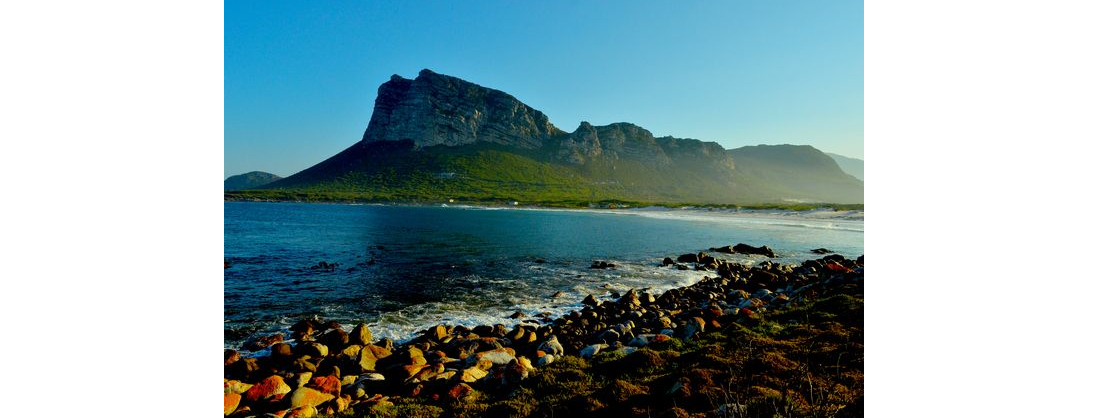
Hangklip
Cape Hangklip forms the southeastern boundary of False Bay and is known for its dramatic coastline and rugged mountain scenery. Portuguese sailors originally called the mountain Punta Espinosa (“Thorny Point”), while it later became known as Cabo Falso (“False Cape”) because sailors sometimes mistook it for Cape Point during bad weather.
Runaway slave refuge
During the 18th and 19th centuries, Hangklip became a refuge for runaway slaves, known as maroons or drosters. Many hid in caves above the cliffs,
The entrance was extremely difficult to approach except under favourable conditions, with rocks, tides and dangerous water making access treacherous.
The people living there fished and found ways to obtain supplies. They sometimes intercepted wagons returning from Cape Town, and, according to some accounts, they even had contacts among enslaved and free people there who helped supply them with what they needed.
For enslaved people who had chosen flight, life was harsh, and people died, but the caves offered the possibility of living beyond the immediate control of an enslaver. Some survived there for years. Some created families. Some developed networks with people elsewhere in the colony
The fugitives survived by eating mussels, limpets and fish. Fishing lines were made from shrubs, while hooks could be made from bone or pieces of metal. Some members of the community crossed the Cape Flats at night, exchanging fish or wood with other enslaved people for things such as gunpowder, lead and flint.
The Colonial Authorities were aware of this community, and armed expeditions were sent in pursuit of the fugitives. In 1735–1736, a commando was sent into the area, and seven people were captured. On 29 January 1737, they were placed on trial in Cape Town.
The accused included men and women from places such as Bengal, Madagascar and Rio de la Goa. The charges included murder, robbery, plunder, armed conspiracy and disturbing the peace, and the sentences were horrific, and most were executed.
WW11 Lookout
During World War II, Cape Hangklip again became strategically important. Between 1942 and 1945, secret radar stations were established on the mountain to monitor shipping convoys and aircraft in False Bay during the threat of German U-boats operating off the South African coast. The high elevation of Hangklip Mountain made it an ideal observation point. The station was staffed largely by British servicewomen, including members of the Women’s Auxiliary Air Force, most of them university-educated. They took an oath of secrecy so seriously that many didn’t tell their families for 50 years. The nearby base, now the Hangklip Hotel, accommodated staff. Remains of some wartime structures can still be found in the area today. Find a list of ships that wrecked near Cape Hangklip
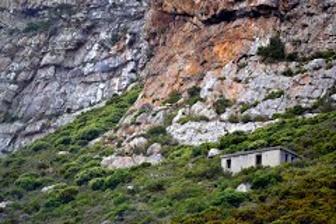
The Hangklip Peak Hike is an easy half-day hike up a distinctive hill with fantastic views from the top over beaches and mountains.
Hikers should be aware that snakes occur in fynbos areas during warm weather. A practical identification and safety guide is available here.