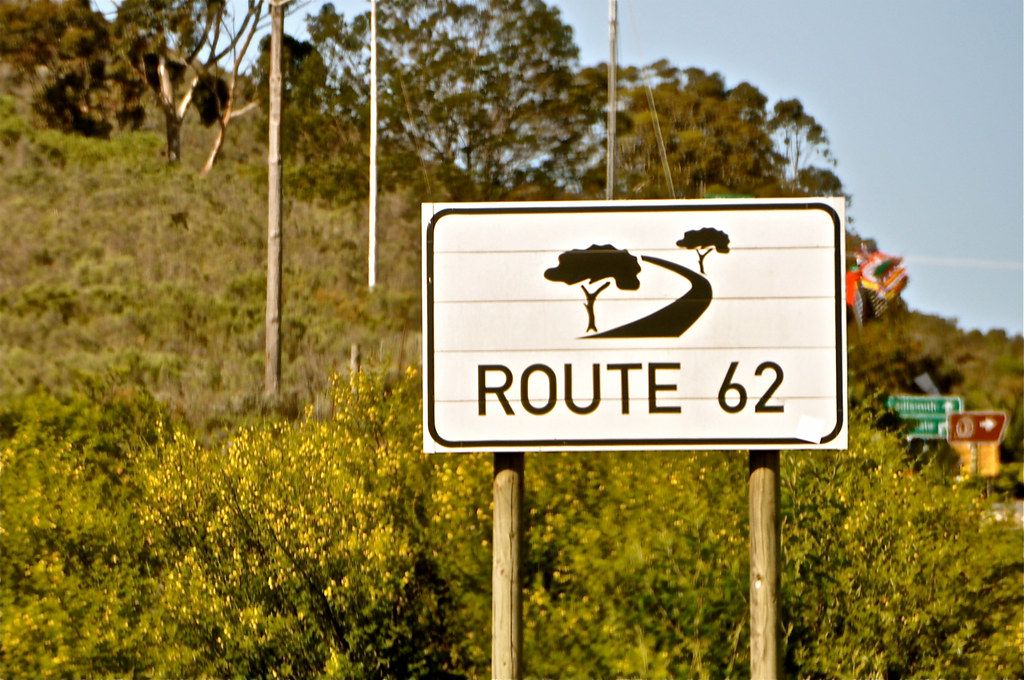
Route 62
Route 62 is one of South Africa’s most scenic and historically significant road routes. It runs through the Western and Eastern Cape, offering a shorter, more varied alternative to the N2 highway, which was completed in 1958. The R62 route between Cape Town and Gqeberha (Port Elizabeth) is around 70 kilometres shorter than the coastal route. It follows sections of the provincial road and passes through the Breede River Valley, the Klein Karoo and parts of the Langkloof, linking farming towns, wine regions, mountain passes and historic settlements. Route 62 is popular with self-drive travellers who prefer inland scenery and quieter roads.
Route 62 is considered the longest wine route in the world, but it offers more than wine tasting. Along the route are museums, cultural sites, craft markets, antique shops and historic churches. The combination of mountain passes, farmland, historic towns, and biodiversity offers outdoor activities such as hiking, mountain biking, canoeing, horse riding, fishing, and caving. Accommodation ranges from farm stays and self-catering cottages to guesthouses and small hotels, making it easy to explore the route at a relaxed pace. Take in the hospitality of the towns below. Click on the town name to read more about each one.
Paarl, Wellington, Wolseley, Tulbagh, Ceres, Worcester, Robertson, McGregor, Bonnievale, Ashton, Montagu, Barrydale, Ladismith, Calitzdorp, Oudtshoorn, De Rust, Prince Albert, Swellendam, Uniondale, and Haarlem. Excellent road conditions and frequent towns make Route 62 well-suited to self-drive travel.
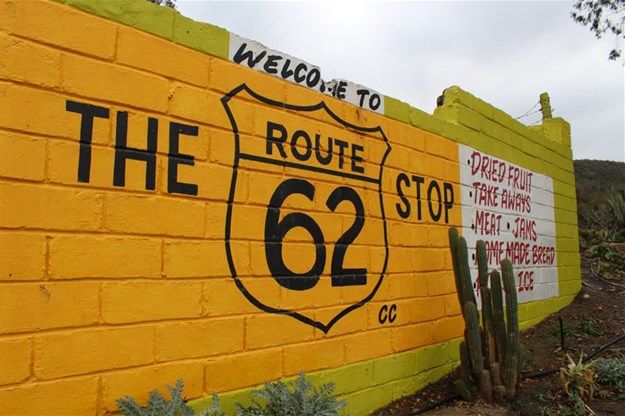
The western section of Route 62 begins near Ceres, a major fruit-producing area at the foot of the Cederberg Mountains. From here, the road runs through Worcester and Robertson in the Breede River Valley, one of South Africa’s most productive wine and fruit regions. The Robertson Wine Route forms part of the wider Breede River Wine Route, often described as the longest wine route in the world. Wine estates, brandy distilleries, orchards and vineyards line this stretch of the journey.
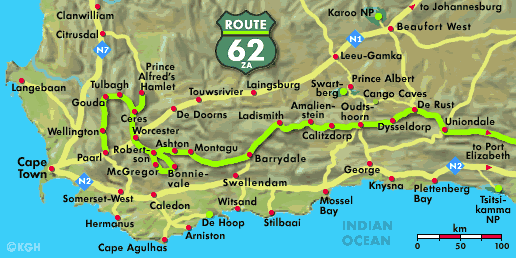
Montagu lies near the heart of Route 62 and marks the transition into the Klein Karoo. Surrounded by dramatic mountain ranges, Montagu is known for its historic architecture, hot springs and dry, healthy climate. The town is a base for hiking, cycling, nature walks and 4×4 routes, as well as a popular stop for food, wine and brandy tastings. From Montagu and nearby Bonnievale, Route 60 links back to the N2 via Swellendam, another historic Cape Dutch town and a gateway to Cape Agulhas and the De Hoop Nature Reserve.

Beyond Montagu, the landscape becomes drier as the route enters the Klein Karoo. The Langeberg Mountains form a natural barrier between the fertile Breede River Valley and the semi-arid interior. A series of rugged mountain passes connect this region to the Great Karoo and the Garden Route, including Seweweekspoort, Huisrivier Pass, Robinson Pass and the Swartberg Pass. These passes are highlights of the route and showcase the area’s dramatic geology.
Barrydale is one of the best-known small towns along Route 62. Located at the foot of the Langeberg Mountains, it is unexpectedly green compared to the surrounding Karoo landscape. The town is known for its creative community, roadside stops, local brandy production and relaxed pace of life. Further east lies Ladismith, set beneath the Swartberg Mountains, followed by the historic mission settlements of Amalienstein and Zoar, where many residents still maintain traditional lifestyles.
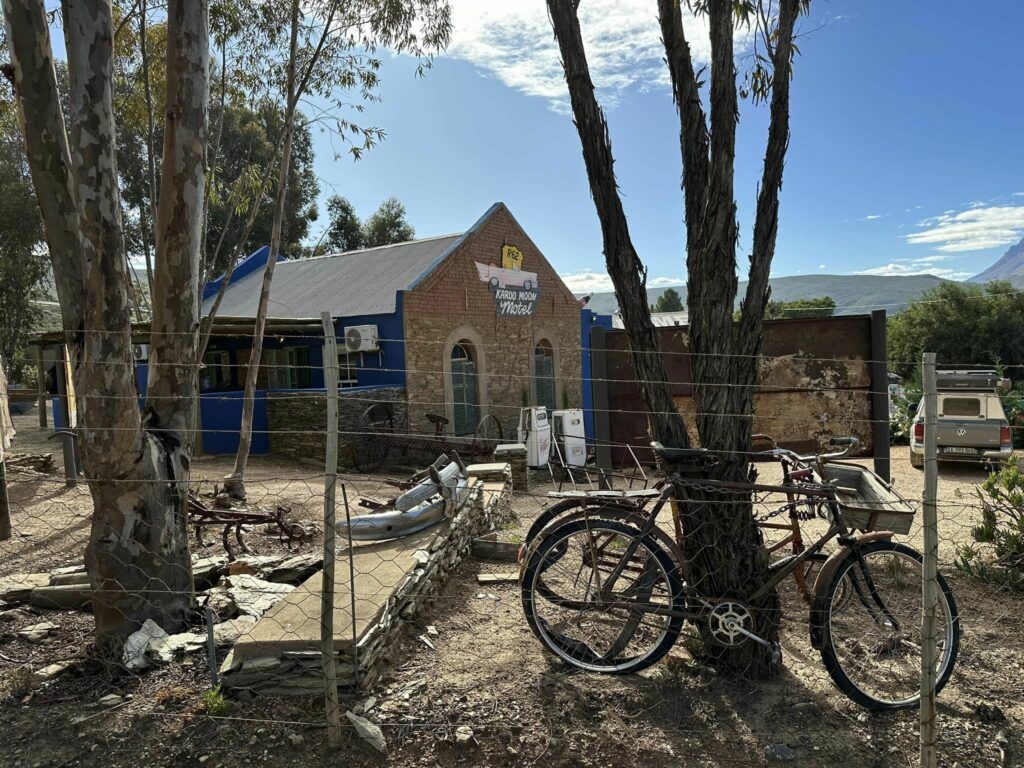
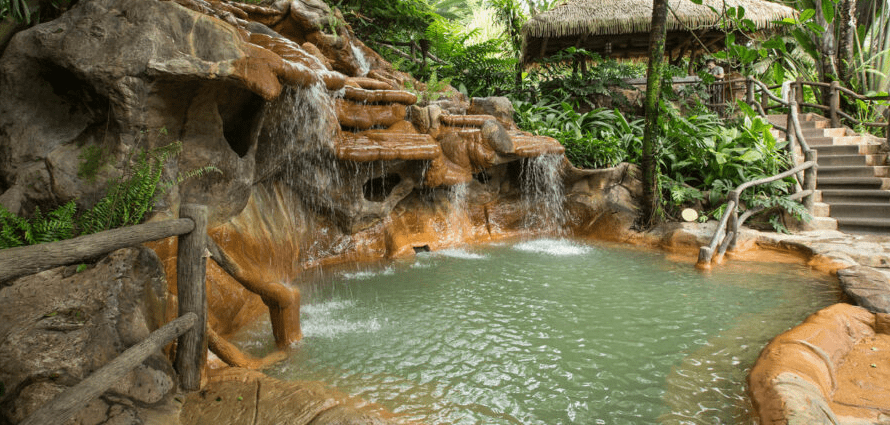
After taking part in these outdoor activities, there are also several areas with hot springs where you can relax.
 Calitzdorp is a key stop in the Klein Karoo and is widely known as South Africa’s Port wine capital. The town is home to several wine cellars that specialise in fortified wines, as well as red, white and dessert wines. Calitzdorp is also recognised for its indigenous flora, particularly succulents. The surrounding area supports hundreds of succulent species, many of which are endemic to the region, making it of interest to botanists and plant enthusiasts.
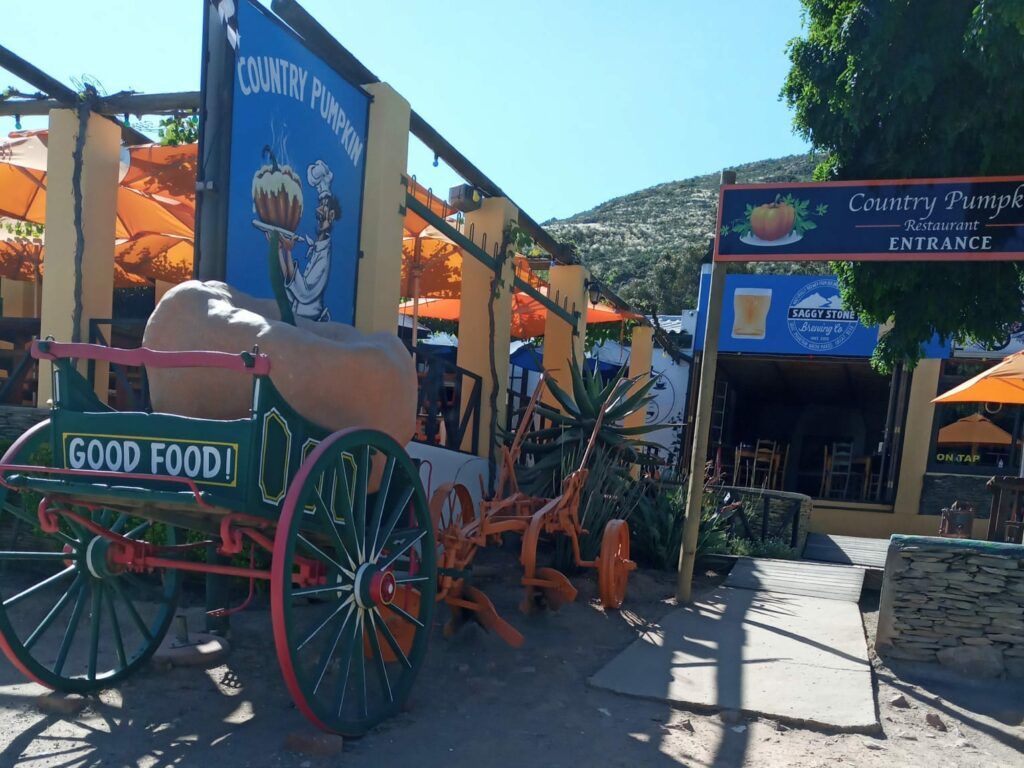
With the completion of the N2 highway in 1958, Cape Route 62 has become the road less travelled, but is recommended, and you will be welcomed in the villages along the way.
Oudtshoorn, the largest town on this section of Route 62, was once the global centre of the ostrich feather industry. Many grand Victorian-era homes, often referred to as “feather palaces, remain well preserved. Oudtshoorn is also the gateway to the Cango Caves, an extensive system of limestone caverns with guided tours that explore large chambers, stalactites and stalagmites deep within the Swartberg Mountains.
North of Oudtshoorn lies Prince Albert, a small town at the base of the Swartberg Pass. Known for its Karoo hospitality, water furrows, gardens and orchards, Prince Albert is a quiet stop well suited to walking, stargazing and sampling local produce such as olives, cheese and wine. Continuing east, Route 62 skirts the Kammanassie and Kouga mountain ranges before entering the fertile Langkloof valley, one of South Africa’s oldest agricultural regions.
Wine Farms on Route 62
Route 62 passes through some of the Western Cape’s best-known wine-producing regions, including Robertson, Worcester, Ashton, Montagu, Barrydale, and Calitzdorp. Stretching from the Cape Winelands into the Little Karoo, the route is known for its scenic mountain passes, historic towns and diverse wine styles.
The region produces a variety of wines, from crisp white wines and full-bodied reds to the port-style wines for which Calitzdorp is famous. Many wine farms along Route 62 offer tastings, restaurants, accommodation and cellar tours, making them popular stops for travellers exploring one of South Africa’s most iconic road-trip destinations. Browse our list of Route 62 wine farms, or learn more about the story of wine-making in the Western Cape.
Read more
See some other scenic drives and road trips, and browse the complete Western Cape guide
FAQs about Route 62
1. What is Route 62?
Route 62 is a scenic inland route between Cape Town and Gqeberha (Port Elizabeth), known as South Africa’s answer to the USA’s Route 66. It passes through mountain passes, vineyards, and semi-desert landscapes in the Klein Karoo.
2. Where does Route 62 start and end?
It starts near Worcester, passes through towns like Robertson, Montagu, Barrydale, Ladismith, Calitzdorp, and Oudtshoorn, and ends near Humansdorp, where it joins the N2 to Gqeberha.
3. How long is Route 62?
The full route is about 850 km, though many travellers drive only the scenic section between Montagu and Oudtshoorn.
4. How do I get onto Route 62 from Cape Town?
Take the N1 through Paarl to Worcester, then turn onto the R60 toward Robertson and Montagu. From there, it becomes Route 62.
5. What is Route 62 famous for?
It’s known for wine estates, fruit farms, mountain passes, and charming small towns. The route also features ostrich farms, brandy cellars, art galleries, and local farm stalls.
6. How long does it take to drive Route 62?
A direct drive from Cape Town to Oudtshoorn takes about 6 to 7 hours, but most travellers stretch it over two or three days to explore along the way.
7. What towns should I stop in?
Popular stops include Robertson, Montagu, Barrydale, Calitzdorp, and Oudtshoorn. Each has its own attractions — from wine tasting to caves and wildlife.
8. Is Route 62 safe to drive?
Yes. The road is tarred and generally in good condition. Drive carefully through mountain passes and watch for wildlife at night. Fuel stations are available in most towns.
9. When is the best time to travel Route 62?
Route 62 can be enjoyed year-round. Spring (September–November) brings green valleys and flowers, while autumn (March–May) offers mild weather and grape harvests.
10. Are there tolls on Route 62?
No. Route 62 is toll-free, unlike the coastal N2 route.
11. What kind of accommodation is available?
You’ll find guesthouses, farm stays, country lodges, and self-catering cottages throughout the route. Booking ahead is recommended during holidays.
12. What should I bring?
Bring water, sunscreen, comfortable clothes, and a camera. Mobile signal is generally good, but some rural stretches may have limited coverage.
Updated October 2025