
Use this guide to identify animals commonly seen in Cape Town gardens, along hiking trails, and on Western Cape beaches.
If you encounter an injured wild animal, contact the SPCA wildlife unit
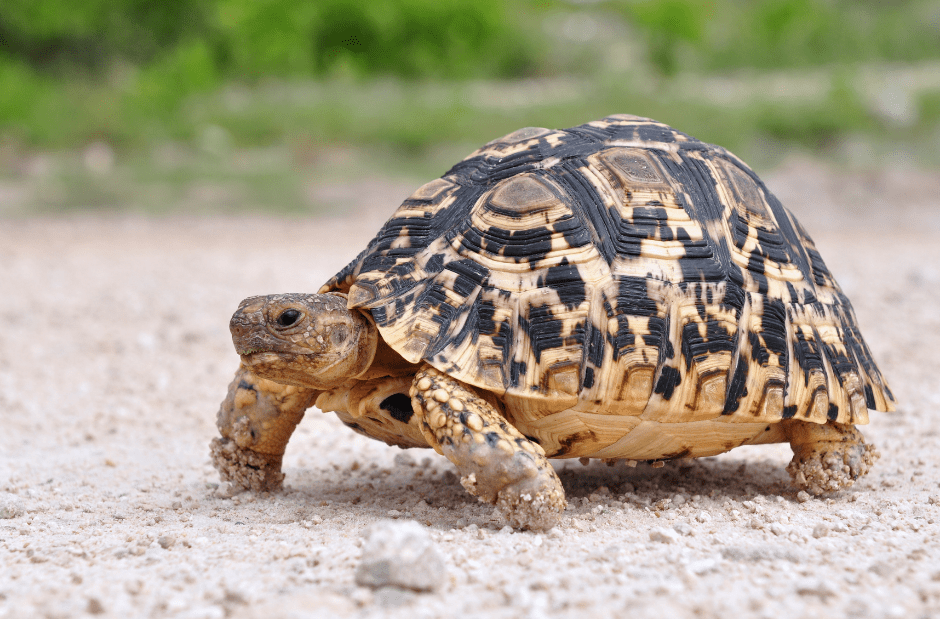
Wildlife of the Western Cape and
Cape Town
A Local Illustrated Field Guide
Wildlife still lives surprisingly close to people in the Western Cape. In Cape Town, it is normal to hear birds at dawn, find small mammals in garden shrubs, or encounter reptiles and frogs along paths and greenbelts. Table Mountain and the surrounding reserves act as a natural refuge within the city, and even coastal suburbs regularly see wild animals.
This guide covers the species most commonly encountered by residents and visitors across the Cape Town area and wider Western Cape, from gardens and urban parks to mountains, beaches and nature reserves. It focuses on wildlife people may come across while walking, hiking or visiting the coast.
Mammals
Cape Fur Seal
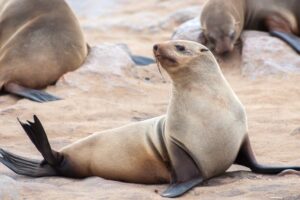
Cape fur seals form large, noisy colonies on rocky coastlines and islands, with 25–40 colonies along the Western Cape. Males are much larger than females, with thick necks, while both have glossy coats when wet. Semi-aquatic and agile, they feed on shoaling fish alone or in small groups, sunbathe on rocks, and move efficiently on land thanks to rotatable hind flippers. Predation at sea is mostly by great white sharks. Females can delay pregnancies to time births for summer, and seals can live up to 25 years despite human hazards and environmental challenges. See seals in Hout Bay with Circe
Elephant seals
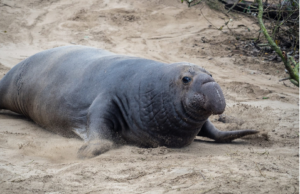
Elephant seals occasionally climb up onto Western Cape beaches, even though their nearest breeding colony is more than 2,000 km away on Marion Island in the Southern Ocean. They come ashore to rest and to complete their annual moult, which is a demanding process. They stay on land and live off stored fat reserves during this process. They do not need food, water, or assistance. Elephant seals are not indigenous to mainland South Africa.
If you see a seal on the beach:
Keep a safe distance if you encounter a seal resting on the beach. Stay at least 20 metres away. Do not approach, touch, or pour water over the animal, as this causes them unnecessary stress. Keep noise and movement to a minimum, and ensure dogs are leashed to prevent any disturbance or conflict.
Rock Hyrax (Dassie)
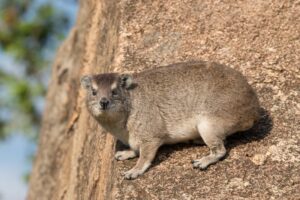 Small, compact mammal with rounded ears and no visible tail. Common on the rocky slopes of Table Mountain and coastal cliffs in the Western Cape. They are more active in the early mornings, living in colonies. They are mostly herbivores, and they eat grasses, leaves, and broad-leafed plants, sometimes also insects and grubs, especially in summer when it is dry, and other food is scarce. They leave communal latrines marked by pellet droppings and white urine stains on rocks. Excellent climbers with padded feet. Despite their tame look, they bite if cornered.
Porcupine
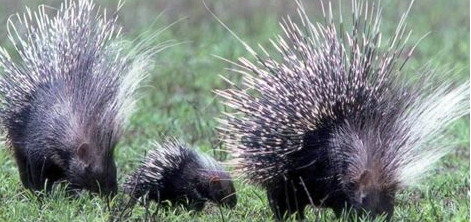 Large nocturnal rodent recognised by long black-and-white quills. Found in rocky areas and farmland across the Western Cape. They feed on roots, tubers and bark, often leaving gnaw marks on trees. They shelter in burrows or rock crevices during the day. Porcupines will raise and rattle their quills when they feel threatened. Discarded quills are often the first sign that one is nearby.
Grey Squirrel
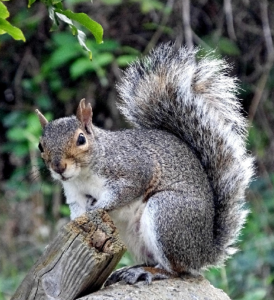 (Sciurus carolinensis) Grey squirrels are an Invasive species that was introduced to the Cape in the 1800s by Cecil John Rhodes. They became established mainly in the south-western Western Cape, especially in areas with pine trees. Often seen in gardens and parks in the southern suburbs of Cape Town, like Constantia, Newlands and Rondebosch. They are grey with a white underside and bushy tail. Active by day. Feeds on pine seeds, acorns, fruit and occasionally bird eggs. Breeds twice a year. Visit the Company’s garden in Cape Town to meet them up close.
Small Grey Mongoose
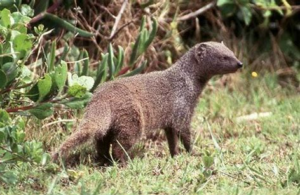 Slender grey mongoose with black legs and a bushy tail. Active by day and commonly seen in gardens and natural areas around Cape Town, including Kirstenbosch National Botanical Garden. Moves along regular pathways within its territory. Feeds on insects, rodents and carrion. Often confused with the yellow mongoose, which prefers open habitats and has a white-tipped tail.
Water (Marsh) Mongoose
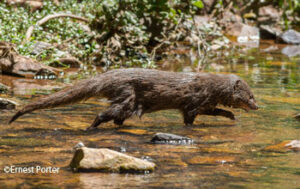
Larger, shaggy mongoose that are usually found near rivers, wetlands and dams. They are mostly nocturnal and are often mistaken for clawless otters. They feed on frogs, crabs and small fish they catch in the shallow water. They use regular paths and latrine sites within their territory. They are typically solitary or seen in pairs.
Large Spotted Genet
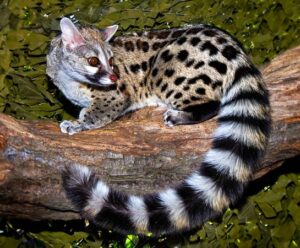
(Genetta tigrina)Slender nocturnal carnivore with a pale grey coat marked by dark spots and a long, ringed tail with a black tip. Seen at night in trees or crossing roads in suburban and natural areas. Feeds on insects, rodents and small birds. Solitary and territorial. Often confused with the small-spotted genet, which has smaller spots and a white-tipped tail.
Cape Grysbok
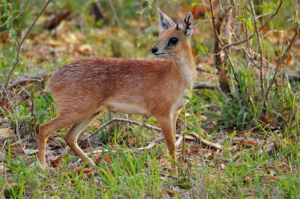
(Raphicerus melanotis) This is a small, shy antelope endemic to the Western Cape. Found in dense fynbos. It has a reddish-brown coat flecked with white. Only males have short, straight horns. When they are threatened, they raise the hair on their rear end to appear bigger. They are mostly nocturnal but may feed in the early morning or on cloudy days. Grazes on leaves, berries and grasses and is not dependent on water; it often wanders into orchards and vineyards and eats fruit. Usually found alone and occasionally in pairs.
Common Duiker
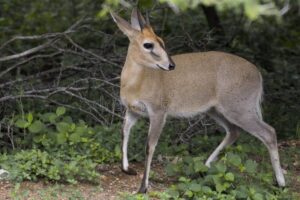
(Sylvicapra grimmia ), This is a small antelope with a reddish-brown coat and a darker face. Found in scrub, thicket and fynbos areas of the Western Cape. It is mostly active at night or early morning. Males have short, straight horns. They live in places with sufficient vegetation cover to allow them to hide.( Afrikaans ‘duiker’ meaning ‘to dive, into bushes to hide) It eatsleaves, fruit and berries, and occasionally eats carrion and insects. It is considered a pest by farmers as it may enter vineyards to eat grapes. Usually seen alone or in pairs. It reaches up to 88 centimetres in height and 80 kilograms.
Chacma Baboon
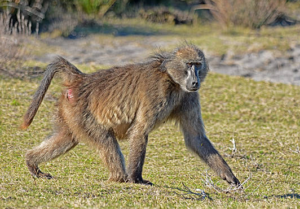 (Papio ursinus) These are large social primates living in troops along the Cape Peninsula mountains and coast. They are highly intelligent and opportunistic. They feed naturally on roots, insects and fruit, but will raid bins and houses where food is available. Baboons near the coast have even been known to catch fish. They generally avoid people but can become aggressive around food. Keep your distance, secure bins and never feed baboons; feeding them is illegal and can lead to animals being euthanised. When baboons are around, keep your vehicle doors locked. If approached, stay calm, do not run, and back away slowly. Males can weigh up to 45 kg and be up to 115 cm tall.
Caracal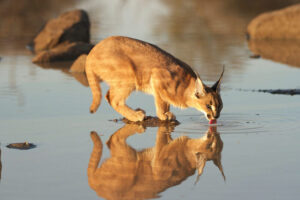
(Caracal caracal) This medium-sized wild cat is reddish-brown with long black ear tufts. It is mostly nocturnal and very rarely seen. It occurs in mountain and coastal nature areas around Cape Town and all over the Western Cape in natural surroundings. It hunts birds, rodents and small mammals. It will usually avoid humans but may take poultry or pets that roam around at night. Road traffic, poison and snares are major threats. The caracal is an important predator that helps control rodent populations.
Himalayan Tahr
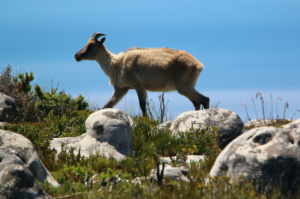
The Tahr is a stocky goat-like animal with a shaggy brown coat and curved horns. It is not native, but descended from animals that escaped from a zoo on the slopes of Table Mountain in the 1930s. It is well adapted to cliffs and rocky slopes, and is often seen high on mountain ledges. Numbers were reduced by culling, but small populations survived. It grazes on grasses and shrubs.
Klipspringer
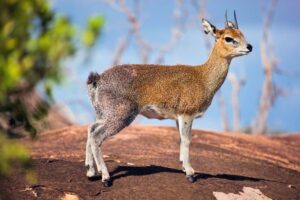 (Oreotragus oreotragus)This is a very small antelope found in rocky mountain areas. Usually seen in pairs. It has a sandy-brown coat with short, straight horns in males and a dark facial marking below the eye. Specialised hooves allow it to stand and jump between narrow rock ledges. It eats flowers, tender green shoots and fruits and does not need to drink water. Rare but present on quieter parts of Table Mountain and other rocky ranges. It grows to 43–60 centimetres at the shoulder and weighs from 8 to 18 kilos
Eland
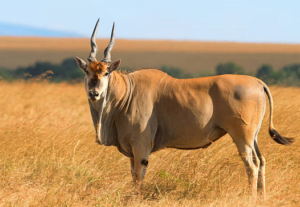
(Taurotragus oryx)The largest antelope in southern Africa. Occurs in reserves and large conservation areas of the Western Cape. Tawny brown with spiral horns and a heavy build. Grazes and browses on grasses and shrubs. Generally calm but still a powerful wild animal, do not approach it or feed it. Elands usually avoid deep forests, swamps, deserts, and very open grassland, but they do inhabit grassland with good vegetation cover. An adult male is around 1.6 m tall at the shoulder and can weigh up to 942 kg
Forest Shrew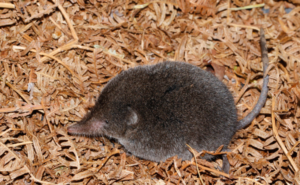
(Myosorex longicaudatus boosmani) Tiny insect-eating mammal with a long, pointed snout and very small eyes. Lives in leaf litter, soil and dense vegetation. It is active day or night, feeding on worms, insects and other small invertebrates. Rarely seen due to its secretive behaviour. In the Western Cape, shrews are found inland as far as Murraysberg and Beaufort West, as well as along the coast. They are most often found in forest habitats in moist, densely vegetated areas. It is often the first small animal to appear after a fire.
Cape Golden Mole
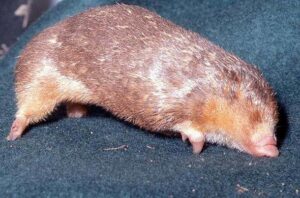
(Chrysochloridae).This is a small burrowing insectivore with silky fur and no visible eyes or ears. Lives underground and leaves raised ridges in sandy soil. Uses powerful forelimbs and a snout to dig. Feeds on insects and worms. Rarely seen above ground. It belongs to one of the most endangered mammal families in the world, recently recorded in only two locations near Lamberts Bay and Groenriviermond. Six species of golden moles are found in the Fynbos and Succulent Karoo dryland biomes. Irresponsible mining activities are the biggest threat to Golden moles.
Hippopotamus
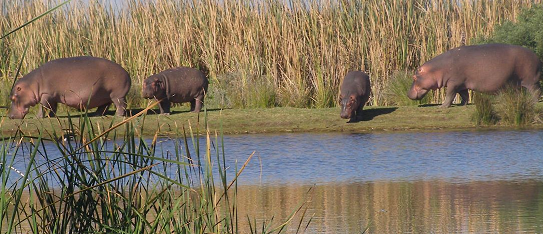
Large aquatic herbivore found in some Western Cape wetlands such as Rondevlei. Spends the day in water with only eyes and nostrils visible and grazes on grass at night. Highly territorial and dangerous if approached on land or near water edges. Always keep a safe distance. A family of hippos was introduced to the Rondevlei section of the False Bay Nature Reserve in1981. A bloat of hippos( collective noun for hippos) can be seen at Bottlierskop Nature Reserve
African Clawless Otter
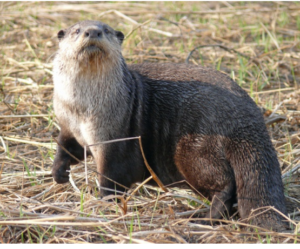
Large freshwater otters are found along rivers, estuaries and some quiet beaches around the Cape Peninsula. They feed mainly on crabs, fish and frogs. Otters are usually active in the early mornings or evenings. They are characterised by partly webbed and clawless feet, and footprints are often seen in wet sand. Do not feed or approach otters; they can bite if cornered and may carry diseases. Clawless Otters should be observed from a distance in their natural habitats, away from people and pets. If you are faced with a Cape Clawless Otter on your property, keep your distance, back away slowly and allow it plenty of space to leave. Clawless otters often make use of manmade structures such as drains and spaces under buildings.
Rodents
Bats of the Western Cape
About eighteen of South Africa’s 62 bat species occur in the Western Cape, with most being insect-eaters and four species that eat fruit. The largest bat roost in the country is at De Hoop Nature Reserve, where 300,000 bats consume roughly 100 tons of insects annually, helping control mosquitoes and agricultural pests. Some places that bats can be found in their natural habitat include Montagu Guano caves, Boomslang cave, and in trees in the Knysna forest.
Egyptian Fruit Bat
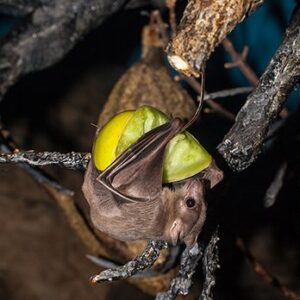
(Rousettus aegyptiacus) A large fruit-eating bat with a dog-like face and big eyes, the Egyptian fruit bat feeds at night on soft fruit and nectar. It roosts in caves and old buildings in large colonies and is often messy, dropping fruit and faeces beneath perches. Adults weigh about 130 g with a wingspan of 60 cm.
Temminck’s Hairy Bat
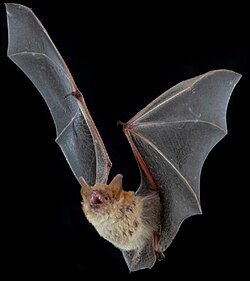
(Myotis tricolour)This small, dark brown bat has a long snout and tiny eyes. It is nocturnal and insectivorous, and it forages in areas less than 5 m from the ground. It roosts in caves, often with other bat species. It navigates using echolocation and has a wingspan of 28 cm, weighing about 11 g.
Cape Serotine Bat
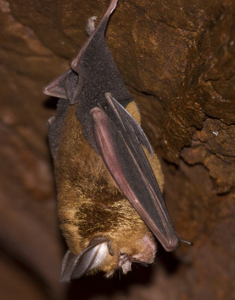
A tiny insectivorous bat with pale brown fur, a pointy snout, and short ears, the Cape serotine is often seen flying at dusk, hunting moths and mosquitoes. It roosts under eaves or in hollow trees and weighs around 6 g with a wingspan of 23 cm.
Geoffroy’s Horseshoe Bat
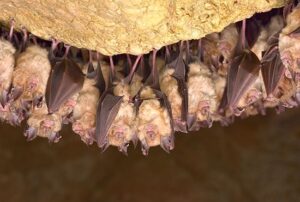
This small bat has large ears and a distinctive horseshoe-shaped nose. It roosts in colonies of about 1,000 in caves and hunts insects at night. It measures 10 cm in body length with a 32 cm wingspan and weighs roughly 17 g.
Vlei Rat
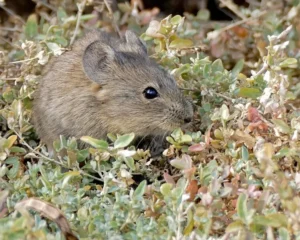
(Otomys irroratus )This tiny creature thrives in the heart of the southern African grasslands. Found in damp vleis or marshes with lush grasses, sedges and other wetland plants, often near rivers, streams or shallow standing water. These miniature builders construct intricate nests made entirely of grass, creating cosy shelters where they rest, raise their young, and escape the elements. Their diet includes greens and insects. It is a blunt-nosed rodent with dense shaggy hair and a short tail. Owls, eagles, snakes, domestic dogs and small carnivores prey on Vlei Rats.
Cape Gerbil
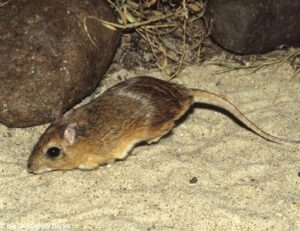
The Cape gerbil is a small, nocturnal rodent belonging to the family Muridae. It is a member of the Gerbilliscus genus; these little mammals are known for their remarkable agility. They prefer arid habitats. and use their strong hind legs and a bushy tail to aid balance while foraging for food and escaping predators. They measure about 20 to 25 centimetres in length. They are relatively small and really cute.
Cape Mole-Rat
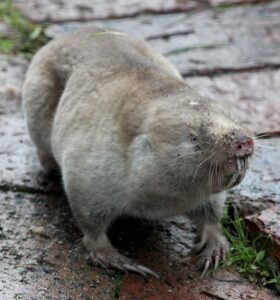
(Blesmol/ Cryptomys hottentotus) This is a burrowing rodent common in the Western Cape. It lives underground in extensive tunnel systems and is seldom seen above ground. Common mole-rats form colonies. It has a cylindrical body with short limbs and powerful incisors for digging. Mole rats are recognised by the white patches on the face and around the ears. It feeds on roots and underground plant parts. Mounds of loose soil are often the only visible sign of moles. They can be destructive in gardens, but they also aerate the soil.
Frogs and toads of the Western Cape
The Western Cape is home to a variety of frog and toad species, many of which you can spot on hikes, near rivers, wetlands, or after the rains. This list highlights the species you are most likely to encounter, with notes to help identify them in the wild.
Raucous Toad
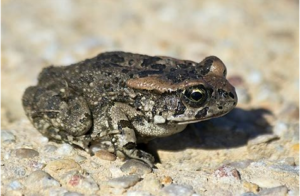
Sandy brown with uneven blotches on a greyish background, it has lumpy skin. Raucous toads are seen near running water, ponds, and dams. They are nocturnal, and call a “kwaak”; they reach a size of around 5–7 cm.
Sand Toad 1
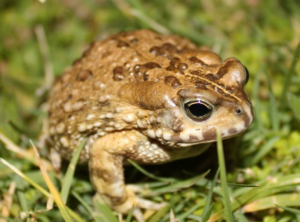
This is a small, boldly marked, pale brown toad with yellow upper feet, a lumpy back, and is found in shallow puddles on sandy soils. They breed in seasonally flooded fynbos or renosterveld vegetation types. They are sometimes found in ploughed and planted fields in the Swartland around Vredenburg and Moorreesburg. calls “gnyee”, the size is about 5–6 cm.
Sand Toad 2
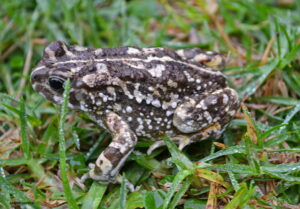
This is a hubby toad, white-grey-brown, with raised lumps on its back and a ridge on its hind feet. It is found at the edges of dams and lagoons. Males call with a long ringing sound. Grows to just 4 cm.
Cape Platanna
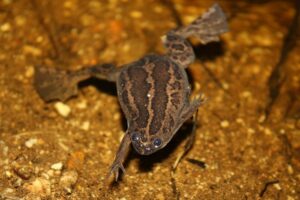
The platanna has a compressed body, with eyes on top of its head, short, slim forelimbs, strong legs, and webbed, clawed toes. It grows to about 8 cm and is found in shallow pans. It is often outcompeted in shallow pans by the common platanna.
Cape Rain Frog
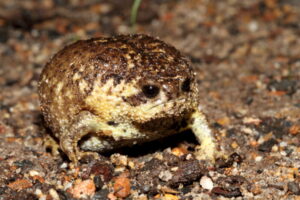
The rain frog has a round body with a bloated head, short stubby toes, and coarse throat skin in males. It is a Burrowing species that inflates when threatened and calls harsh squawks before the rainy season. It is found in renosterveld, fynbos, gardens, and pine plantations. Feeds on worms, termites, and insects.
Cape Chirping Frog
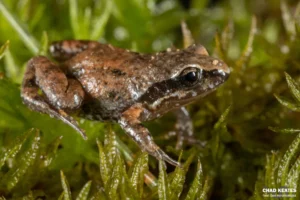
This is a tiny frog that grows to just20–22 mm. The colour varies from pale green-brown to blue-black, It sometimes has a dorsal stripe. It lives in leaf litter near mountain seeps/streams. Its call is a high-pitched chirp that isoften mistaken for crickets.
Cape River Frog
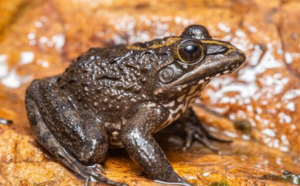
The river frog is medium-sized. It is brown with darker marbling, long hind legs, and webbed feet. It is found near water bodies. This frog is territorial, and feeds on insects, larvae, spiders, and crustaceans.
Table Mountain Ghost Frog
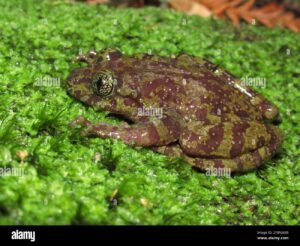
The Table Mountain ghost frog is about 5–6 cm, with a squat, depressed body It is green with purple/reddish patches, webbed toes with sucker-like pads. This frog lives in fast-flowing mountain streams; tadpoles cling to rocks, and adults move on damp rocks and caves. It is critically Endangered.
Arum Lily Frog
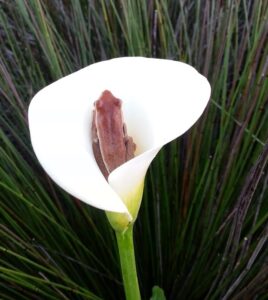
This little frog grows up to 40 mm. It is cream to brown with bright orange feet, and can change colour for camouflage. commonly hides in arum lilies. Males call at night above water. It breeds from September to January, laying 10–30 eggs at a time in rivers, swamps, and ponds. The arum frog feeds on insectseeds on insects.
Tortoises of the Western Cape
The Western Cape has one of the highest tortoise diversities in the world, with 8 species occurring in the province and one (the geometric tortoise) found nowhere else. Tortoises are highly adapted to their home range and often die if moved to a different area. It is illegal to collect, keep, sell or relocate a wild tortoise without a permit. Below is a list of tortoises most often found in the Western Cape.
If a tortoise is crossing a road?
Move it only a short distance in the direction it was travelling. If overturned, gently turn it upright and leave it there. Never release a pet or relocated tortoise into the wild; this spreads disease and disrupts breeding populations.
Tortoises sometimes chew bones, shells or old carcasses. They are also known to eat faeces of leopards and hyenas, as this is full of crushed bones, which is essential nutrition for a tortoise. This provides calcium needed for shell growth and is normal behaviour.
Leopard Tortoise
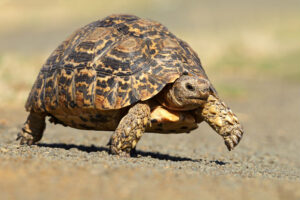
(Stigmochelys pardalis)The largest tortoise in the Western Cape. Recognised by its high-domed shell with dark blotches. Found in open veld, farmland and scrub areas. They are herbivores, and they feed on grasses and succulents. They sometimes chew bones for calcium to strengthen their shells. Mostly active in warm weather. Long-lived, often reaching several decades.
Angulate Tortoise
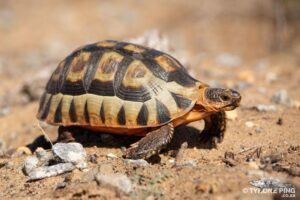
(Chersina angulata)Common tortoise of coastal fynbos and sandy areas. Medium-sized with a bold, patterned shell. Males have a projecting throat shield (“bowsprit”) used in combat. Feeds on grasses, flowers and succulents. Often seen after rain. One of the most frequently encountered tortoises in the south-western Cape.
Geometric tortoise
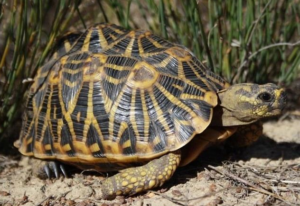
The geometric tortoise is one of the world’s rarest reptiles and is found only in a small part of the south-western Western Cape. This small tortoise grows to about 13–15 cm. It is easily recognised by its striking black shell marked with bright yellow star-like patterns. It lives in renosterveld vegetation within the fynbos biome, where it relies on dense ground cover for protection. Habitat loss from agriculture and urban development has drastically reduced its numbers, and it is now critically endangered.
Cape Padloper
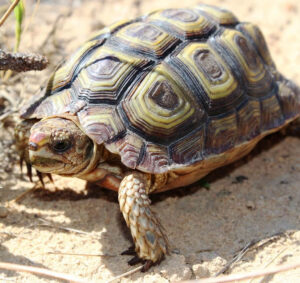
(Homopus areolatus)Very small tortoise, usually under 12 cm long. Flat shell with patterned scutes. Found in coastal fynbos and shrubland. Active during mild weather and shelters under vegetation. Feeds mainly on indigenous plants. Frequently walks onto roads, which is a major cause of mortality.
Karoo Padloper
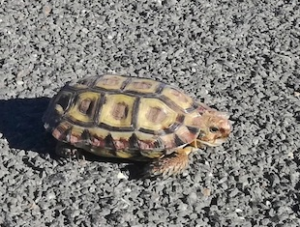
(Homopus boulengeri)Tiny tortoise of dry rocky areas. The flattened shell allows it to wedge under rocks for shelter. Often appears shortly before thunderstorms, giving rise to the Afrikaans name “donderweerskilpad”. Feeds on small succulents and flowers.
Speckled Padloper
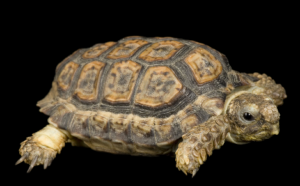
Small Western Cape endemic tortoise found on rocky outcrops, especially around the Piketberg region. Light brown to reddish shell with dark speckles. Shelters under rocks and is rarely seen during hot weather.
Greater Padloper
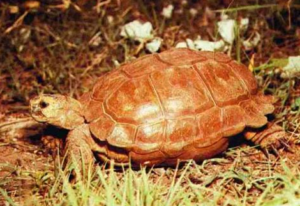
Largest of the padloper group but still very small. Occurs mainly in arid upland areas such as the Roggeveld. Feeds on low vegetation and succulents. Secretive and seldom encountered.
Cape Nature Tortoise booklet PDF
Agama Lizard
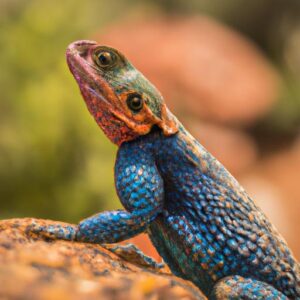
Medium-sized rock-dwelling lizard common on walls, boulders and buildings in warm sunny areas. Feeds mainly on insects such as ants, beetles and termites. Males often develop bright orange-red heads during the breeding season. Active by day and basks openly. Commonly seen in botanical gardens such as Harold Porter,or Kirstenbosch and on Table Mountain, or Cape of Good Hope Nature Reserve
Birds of the Western Cape
The Western Cape is home to a fascinating variety of birds, from the striking ostrich of open reserves to the comical African penguins along the coast, the noisy and adaptable Hadeda ibis, and the versatile Egyptian goose in rivers and ponds. While these are some of the species you might encounter in gardens, parks, and coastal areas around Cape Town, there are many more waiting to be discovered. For bird enthusiasts looking for a comprehensive guide to all species in the region, we recommend this comprehensive Western Cape bird guide, which covers habitats, behaviour, and identification tips for every Western Cape bird.
Hadeda glossy Ibis
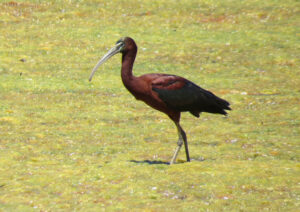
A large grey-brown bird common in gardens, parks, and wetlands across the Western Cape. Easily recognised by its long curved bill and loud harsh “haaah” typically when it takes off or is alarmed. It feeds on earthworms, insects, and small invertebrates in lawns and soft soil. Often seen in pairs or small groups, it has adapted well to urban areas.
Egyptian Goose
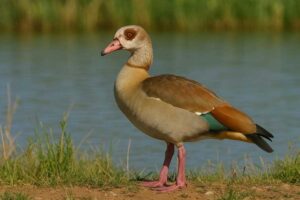
A medium-sized waterfowl, 63–73 cm tall and weighing up to 2.3 kg. Its body is dark grey and rusty brown with black and white wings and a red eye ring. Native to Africa but introduced elsewhere, it lives near fresh water in open or semi-open habitats. It feeds on grass, grains, and soft vegetation, and is known for its aggressive honking. Lifespan is about 15 years in the wild and 35 in captivity. Seen in ponds, dams and estuaries all over the Western Cape. Often also in urban areas
Ostrich
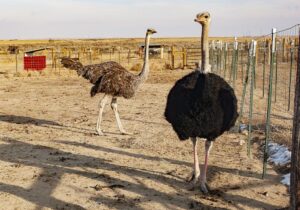
Ostriches are the world’s largest birds. You can see them at Cape Point, Philadelphia, West Coast reserves and of course Oudtshoorn. Flightless but extremely fast, it feeds on plants, seeds, and small invertebrates, swallowing small stones to help grind food. Generally calm around humans but can kick if cornered, especially during the breeding season.
Guineafowl
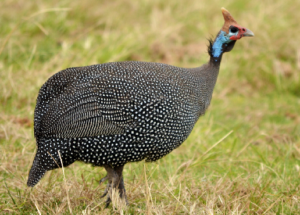
Helmeted guineafowl are common in many Cape Town suburbs, often moving in noisy groups across roads, parks and gardens. These medium-sized ground birds feed mainly on seeds and insects and usually run rather than fly when disturbed. Their grey plumage is covered in small white spots, and their loud calls are often heard early morning and late afternoon. Nests are hidden in long grass or thick vegetation, and several females may lay eggs together in one clutch. Males and females look similar, but the female gives a distinctive two-syllable “buck-wheat” call.
Seagulls
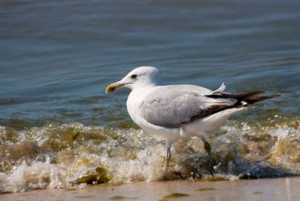
There are several species, all of which are adaptable coastal birds with constantly changing plumage. They take two to four years to mature. Identification can be tricky, and it depends on details like the tail shape, feather patterns, bill size, and leg colour. Gulls are opportunistic feeders that are commonly seen along the coast and in urban areas.
Penguins
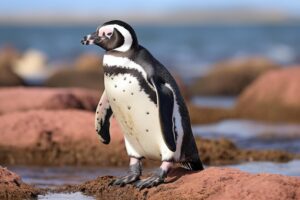
The endangered African penguin can be seen at Boulders Beach and Stony Point in Betty’s Bay. Visitors can see them up close, nesting and swimming close to shore. Penguins feed mostly on fish; they are about 60cm tall and weigh about 3 kilos. Penguins can dive to 130 metres deep and move at speeds up to 20 km per hour. They can hold their breath for over 2 minutes. Penguins have a lifespan of about 10 years.
Pelicans
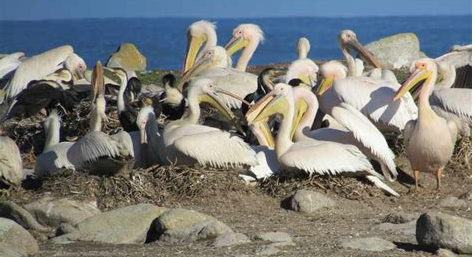
Great white pelicans are occasionally seen gliding over wetlands and estuaries around the Western Cape, especially near vleis and large dams.
Flamingoes
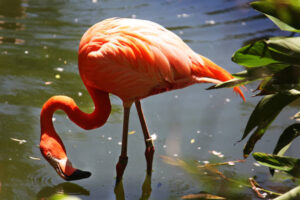
Flamingos are wading birds of the family Phoenicopteridae. Greater and lesser flamingoes gather in shallow coastal wetlands and salt pans around the Western Cape, where their pink colouring stands out against pale water and sand. They eat various types of food, including diatoms, algae, and invertebrates such as minute molluscs and crustaceans. Flocks numbering in the hundreds may be seen in long, curving flight formations and in wading groups. You can see them at Langebaan Lagoon, Verlorenvlei, Olifants River estuary and several other places up the West coast.
Common snakes of the Western Cape
Rare & Elusive Species of the
Western Cape
The Aardwolf (Proteles cristata), or “Earth-wolf,” is a small nocturnal mammal related to hyenas. It feeds mainly on termites and is rarely seen due to its shy nature. This species occurs in arid plains and scrubland.
The Bat-Eared Fox (Otocyon megalotis) is a medium-sized nocturnal fox with large ears that help detect insects. It prefers open savannah or low shrub areas and is mostly active at night, making sightings uncommon.
The Cape Fox (Vulpes chama) is a small, nocturnal fox endemic to southern Africa. It inhabits dry, open habitats and fynbos and is extremely elusive.
The Cape Leopard (Panthera pardus pardus) is an apex predator and very rare in the Western Cape. Historically present in mountain and forested areas, it is solitary and mostly nocturnal, and direct encounters are virtually never expected. These leopards play an important role in the ecological balance.
The Cape Buffalo (Syncerus caffer caffer) is a large herbivore once widespread in the Western Cape but now mostly restricted to protected reserves. It is dangerous if approached, so maintain a safe distance.
The Brown Hyena (Parahyaena brunnea) is a scavenger and nocturnal predator found in arid and semi-arid areas. It is very rare, and signs of its presence are usually tracks, droppings, or feeding evidence rather than direct sightings.
Other notable nocturnal or elusive species include the Aardvark, a burrowing insectivore feeding on ants and termites; the Cape Genet, a small spotted carnivore hunting rodents and insects; the African Wild Cat, a solitary and completely wild; and the Honey Badger, a fierce and fearless digger known for its strength and aggression if cornered.
Visitor Tips: Most of these species are shy and avoid humans. Look for tracks or droppings, maintain distance, and never attempt to feed or approach them.
Other Resources
Practical information for the Western Cape, regulations, permits and helpful tips. See the Colourdots coastal and nature use guide
Colourdots is an independent regional information resource for the Western Cape.
Learn more about the project HERE
