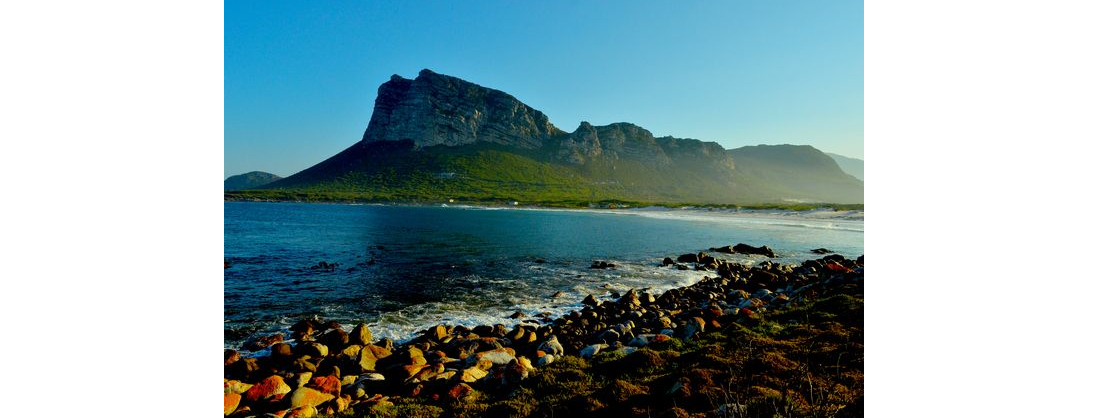
Hangklip
Hangklip and its historical significance
Cape Hangklip forms the southeastern boundary of False Bay and is known for its dramatic coastline and rugged mountain scenery. Portuguese sailors originally called the mountain Punta Espinosa (“Thorny Point”), while it later became known as Cabo Falso (“False Cape”) because sailors sometimes mistook it for Cape Point during bad weather.
During the 18th and 19th centuries, Hangklip became a refuge for runaway slaves, known as maroons. Many hid in caves above the cliffs, surviving on fish, wild plants, and supplies secretly brought by sympathetic slaves. The isolated terrain made it difficult for colonial authorities to track them down, and some maroon communities managed to survive there for years.
During World War II, Cape Hangklip again became strategically important. Between 1942 and 1945, secret radar stations were established on the mountain to monitor shipping convoys and aircraft in False Bay during the threat of German U-boats operating off the South African coast. The high elevation of Hangklip Mountain made it an ideal observation point. The station was staffed largely by British servicewomen, including members of the Women’s Auxiliary Air Force, most of them university-educated. They took an oath of secrecy so seriously that many didn’t tell their families for 50 years. The nearby base, now the Hangklip Hotel, accommodated staff. Remains of some wartime structures can still be found in the area today.
The Hangklip Peak Hike is an easy half-day hike up a distinctive hill with fantastic views from the top over beaches and mountains.
Hikers should be aware that snakes occur in fynbos areas during warm weather. A practical identification and safety guide is available here.
Is this your business?Claim it now.
Make sure your information is up to date.Colourdots is an independent Western Cape regional information resource. Learn more about the site here.