
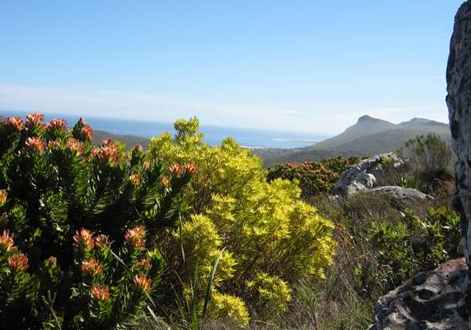
South Africa’s Unique Natural Heritage
DFynbos is one of the most distinctive ecosystems on Earth and one of South Africa’s greatest natural assets. It forms the core of the Cape Floristic Region and occurs almost entirely in the Western Cape, with small extensions into the Eastern Cape. Although it may appear dry or scrubby at first glance, fynbos is among the most botanically diverse ecosystems in the world.
The southern tip of Africa was not reshaped by Ice Age glaciation, unlike much of the Northern Hemisphere. This allowed fynbos vegetation to evolve uninterrupted for millions of years. Over time, plants adapted to nutrient-poor soils, seasonal rainfall, wind, and fire, resulting in an exceptionally rich and specialised flora found nowhere else on Earth.
Today, fynbos is central to the Cape’s landscapes, water systems, biodiversity, and cultural history. It also supports tourism, conservation, and a growing number of food and wellness industries.
What Is Fynbos?
Fynbos is an evergreen, hard-leaved, Mediterranean-type shrubland. The name comes from the Dutch word fijnbosch, meaning “fine bush”, referring to the narrow leaves common to many species.
It grows mainly on sandy, acidic soils derived from quartzitic sandstone and coastal sands. These soils are extremely low in nutrients, having been heavily leached by millions of years of winter rainfall. Most nutrients in a fynbos system are held within the plants themselves rather than in the soil.
Fynbos occurs in an arc from the Cape Peninsula northwards to the Bokkeveld Plateau near Van Rhynsdorp, and eastwards to around Gqeberha (Port Elizabeth). Within this range, it appears on mountain slopes, plateaus, coastal plains, and lowlands, often changing noticeably over very short distances.
A Global Centre of Plant Diversity
The Cape Floristic Region is one of the world’s six recognised floral kingdoms and the only one contained entirely within a single country. Despite its small size, it is extraordinarily rich in plant species.
More than 9 000 plant species occur within the region, an area roughly the size of Portugal. Around two-thirds of these species are endemic, meaning they occur nowhere else on Earth. At a local scale, fynbos vegetation can contain between 150 and 170 species per 1 000 square metres, making it two to three times more diverse than tropical rainforests.
Table Mountain alone supports more plant species than the entire British Isles.
Because of this exceptional diversity and endemism, the Cape Floristic Region is recognised as a UNESCO World Heritage Site and is listed as one of the world’s biodiversity hotspots.
The Structure of Fynbos Vegetation
Although fynbos contains thousands of plant species, it is defined structurally by the presence of three main components. These elements occur in varying proportions across the landscape and together form what is recognised as fynbos.
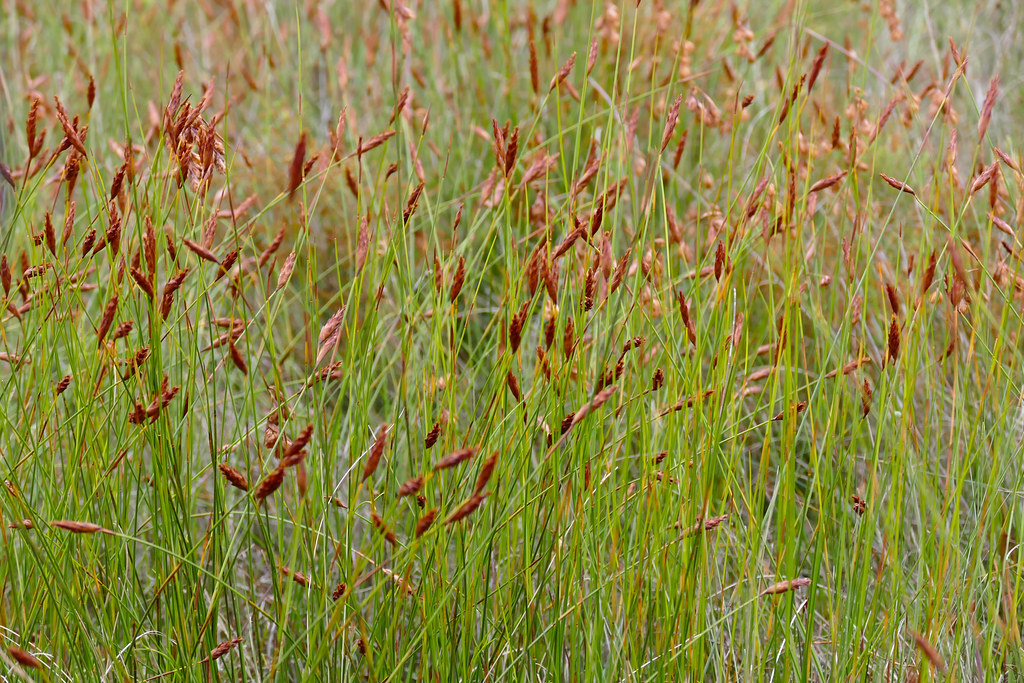
Restioid component
The restioid component belongs to the Restionaceae, commonly known as the Cape reed family. In some classifications, as little as five per cent cover of restios is enough for an area to qualify as fynbos.
Restios have been described as shrubby grasses, although they are not grasses. They replace grasses on nutrient-poor soils where rainfall occurs mainly in winter. Many have reduced or absent leaves and rely on tough, wiry green stems for photosynthesis. This adaptation limits water loss and allows them to survive wind, drought, and poor soil.
Sedges and some grasses found in fynbos share similar “restioid” characteristics and are often grouped with this component.
Ericoid or heath component
The ericoid component makes up the majority of fynbos species and often provides the greatest plant cover after restios. These plants have small, narrow, rolled leaves with thick-walled cells and fine hairs that reduce moisture loss.
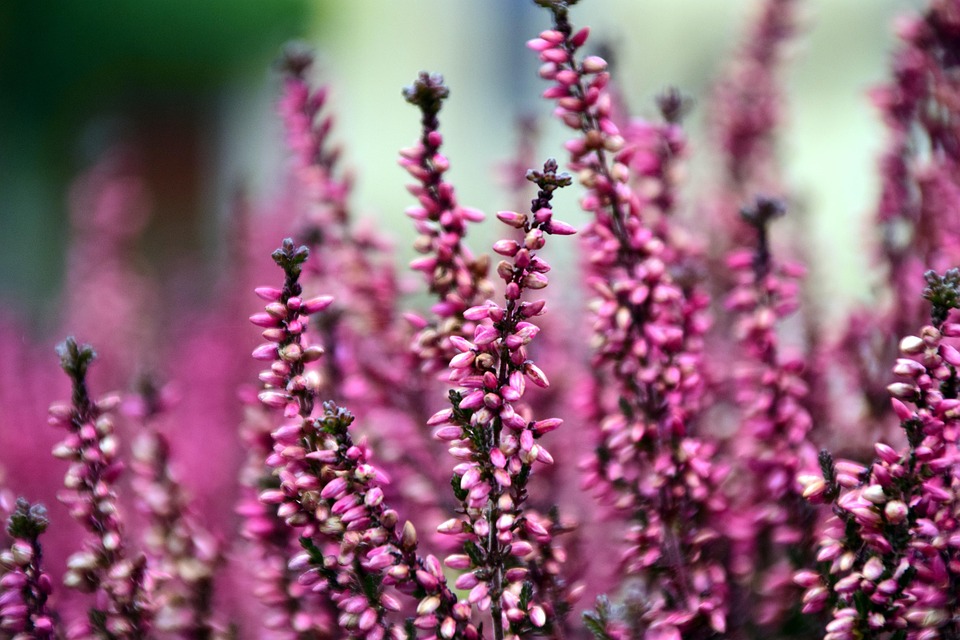 Although the heath family (Ericaceae) is the most prominent, many other families share this leaf structure. These include daisies (Asteraceae), blacktips (Bruniaceae), peas (Fabaceae), jujubes (Rhamnaceae), and thyme relatives (Thymelaeaceae). Some ericoid plants are fine and delicate, while others form dense, compact shrubs.
Proteoid component
The proteoid component consists almost entirely of members of the Proteaceae. These plants have broader leaves with similar upper and lower surfaces and form the dominant overstorey in many fynbos areas.
Although a few proteas occur in transition zones or in renosterveld, the majority are confined to fynbos. Proteas are among the most recognisable plants in the biome and play a key role in supporting bird and mammal pollinators.
Endemic Plant Families
Fynbos is characterised by the presence of several plant families that are endemic or near-endemic to the region. These include:
-
Bruniaceae (blacktips)
-
Geissolomaceae
-
Grubbiaceae
-
Penaeaceae (brickleaf family)
-
Retziaceae
-
Roridulaceae (dewstick plants)
-
Stilbaceae (candlestick family)
Only a few of these families contain more than five species, but together they contribute significantly to the uniqueness of the Cape flora. Overall, the fifteen largest plant families account for about 70 % of all plant species in the Fynbos Biome.
Species Richness and Local Endemism
More than 7 000 plant species occur within fynbos vegetation types alone. Endemism is exceptionally high, with over 80% of species confined to the Cape Floral Kingdom.
Many plants have extremely narrow distribution ranges. Based on detailed data from the Proteaceae, at least twenty-four centres of endemism have been identified. These are areas where groups of species share similar, highly localised distribution patterns.
This level of specialisation makes fynbos particularly vulnerable to habitat loss and environmental change.
How Fynbos Evolved
The ancestors of fynbos plants are thought to have originated in Afro-montane heathlands in tropical Africa. Over long periods of climatic change, these plant communities moved southwards along mountain chains.
As forests expanded and retreated during wetter and drier periods, heathland plants became isolated on mountain peaks and ridges. These periods of separation allowed new species and hybrids to evolve independently.
When these plants reached the Cape, they encountered a complex landscape of east–west mountain ranges, dry valleys, sandy coastal plains, limestone soils, and extreme weather conditions. The vegetation adapted rapidly, diversifying into the many specialised species now recognised as fynbos.
Soils, Rainfall, and Distribution
Fynbos vegetation occurs mainly on well-leached, infertile soils derived from Cape Supergroup sandstones. Under high rainfall conditions, granites and even shales can become sufficiently leached to support fynbos, replacing renosterveld.
This usually occurs where annual rainfall exceeds 600 to 800 millimetres, although it can happen at lower rainfall levels on granitic soils or at higher altitudes. Where rainfall drops below about 200 millimetres per year, fynbos is replaced by succulent Karoo vegetation, largely because fires become too infrequent to maintain fynbos communities.
Fire and Fynbos
Fire is a defining feature of fynbos ecosystems. To maintain plant diversity, fynbos must burn at intervals ranging from approximately six to forty-five years, depending on location and species composition.
Many plants store their seeds in fire-resistant cones that open only after a fire. Others rely on ants to carry and bury seeds, protecting them from rodents and heat. While some species resprout after fire, most regenerate entirely from seed.
Without fire, fynbos becomes old and senescent, allowing forest and thicket species to invade and gradually replace it.
Pollinators and Wildlife
Fynbos supports a wide range of pollinators, including insects, birds, and mammals. Long-tongued flies, beetles, moths, and butterflies pollinate many species, while sunbirds and sugarbirds are closely linked to proteas and other nectar-rich plants.
Unusually, about 4% of fynbos species are pollinated by small mammals, particularly rodents. These plants often have low-growing, dull-coloured flowers with strong scents and abundant nectar.
Although animal biomass in fynbos is relatively low, species richness is high. Many endemic birds, mammals, frogs, reptiles, and insects are confined to fynbos vegetation types. Animals play a major role in pollination and seed dispersal, but have limited influence on vegetation structure due to the poor nutritional value of most fynbos plants.
Related Vegetation Types
Fynbos forms part of a broader mosaic of vegetation in the Western Cape.
-
Renosterveld occurs on more fertile clay soils and is among the most threatened vegetation types due to agriculture and development.
-
Strandveld and Sandveld occur along the coast and transition into the succulent Karoo further north.
-
Afromontane forests are found in sheltered kloofs and south-facing slopes, supporting evergreen trees such as yellowwood, stinkwood, and Cape beech.
Why Fynbos Matters
Fynbos plays a vital role in water regulation, soil stability, biodiversity conservation, and climate resilience. It supports tourism, agriculture, and cultural heritage and is recognised globally as a conservation priority.
Exploring fynbos reserves, mountain trails, botanical gardens, and protected areas offers insight into one of the world’s most remarkable natural systems. Although it may appear modest at first glance, fynbos is defined by its complexity, resilience, and irreplaceability.
Protecting it ensures that this unique part of South Africa’s natural heritage continues to thrive.
Uses of Fynbos Plants
Fynbos has long been part of daily life in the Cape. Indigenous communities used many species for food, medicine, and practical purposes, and these uses continue today.
Well-known examples include:
-
Rooibos, brewed as a caffeine-free herbal tea
-
Honeybush, a naturally sweet tea plant
-
Buchu, used in teas, oils, and traditional medicine
-
Cape Mountain Sage, pelargoniums, and snowbush, used to flavour oils, vinegars, and cordials
These plants now appear in kitchens, wellness products, and distilleries, while still occurring naturally only within the fynbos biome.
Interesting fynbos facts
- Buchu has long been used as a remedy
Buchu is challenging to grow, but it attracts bees and butterflies, and can serve as a natural insect repellent when applied to the skin or bedding. The leaves are traditionally brewed as a tea, often used to ease stomach complaints and hangovers. - Agapanthus can help slow fires
Agapanthus is common in South African gardens and can serve as a firebreak when planted densely near buildings. It is drought-resistant, grows well in poor soils, and is easy to maintain. Traditionally, the leaves were also used to help reduce swelling in tired feet. -
The wild almond is not an almond
The wild almond, best known from Van Riebeeck’s Hedge, is actually a member of the protea family. Its fruit resembles almonds in shape and bitterness, but is poisonous unless soaked for several days. With enough water in its first two years, the tree can grow up to eight metres and attracts birds, insects, and small mammals. -
Only some honeybush species are used for tea
There are 23 known honeybush species, but only nine are used to make tea. The plant produces bright yellow, pea-shaped flowers in spring, grows quickly, and looks best planted in groups. Tea is made by simmering the dried leaves and shoots. -
The April Fool flower has historic significance
Also known as the March flower, paintbrush lily, or velskoenblaar, this bulb was likely the first flower collected from Table Mountain and possibly the first South African plant described in European literature. It grows well in pots and containers. -
The silver tree is notoriously difficult to grow
There is a long-standing belief that silver trees only thrive if they can “see” Table Mountain. Their survival depends on fine hairs on the leaves, which collect moisture when the air is humid and flatten in dry conditions to reduce water loss. Persistence is often required when planting them. -
The blue water lily is widely grown
Known as Nymphaea nouchali, the blue water lily is South Africa’s most commonly cultivated indigenous water lily. Also called paddapreekstoel (frog’s pulpit), it grows well in ponds and containers. The tubers were traditionally cooked or roasted in Cape Malay and farming communities. -
Wild garlic acts as a natural deterrent
Wild garlic’s strong smell helps deter moles and snakes from gardens. When crushed on the skin, it can repel insects, though it is best known as a flavourful cooking ingredient. The leaves and flowers can also be eaten raw in salads. - incushion seeds are edible
Pincushions are popular garden plants and an important food source for sunbirds and Cape sugarbirds, which pollinate them. The seeds can be roasted once the hard shells are removed, or eaten raw in salads. Once planted, pincushions do not tolerate being moved.Fynbos: South Africa’s Unique Natural Heritage - Sour fig is edible straight off the plant
Sour fig is often sold dried along Cape Town roadsides and is commonly used as ground cover in gardens. The fruit can also be eaten raw by biting off the base and sucking out the syrup. Leaf juice has traditionally been used to soothe insect bites, indigestion, and jellyfish stings.
Hikers should be aware that snakes occur in fynbos areas during warm weather. A practical identification and safety guide is available here
Also see South African Medicinal Plants
Healing traditions of the indigenous South African people
- Colourdots is an independent regional information resource for the Western Cape.
Learn more about the project HERE
