
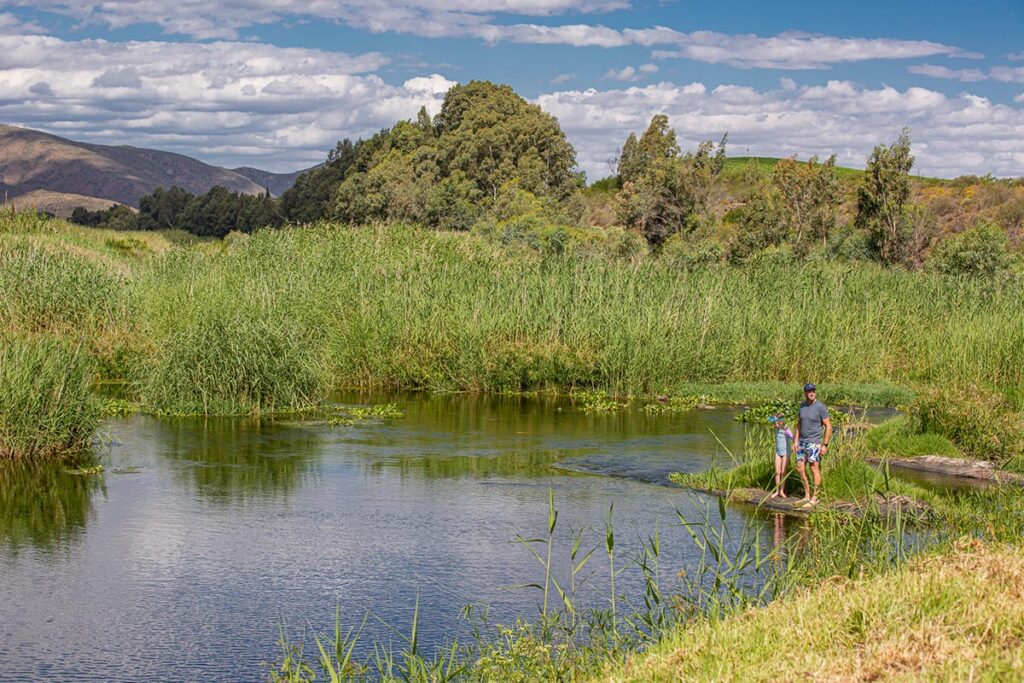
Illustrated guide to freshwater fishing in the Western Cape.
Freshwater fishing in the Western Cape (illustrated guide)
The Western Cape offers a variety of freshwater fishing opportunities, from rivers and dams to ponds and streams. Anglers can catch species like carp, trout, bass, catfish, and Mozambique tilapia across popular locations such as the Berg River, Breede River, and numerous dams. Many of these waters lie within the Cape Floristic Region, home to unique and threatened freshwater fish species. By fishing responsibly, anglers help support conservation efforts while enjoying the region’s scenic rivers and reservoirs.
See places to fish in rivers and dams in the Western Cape
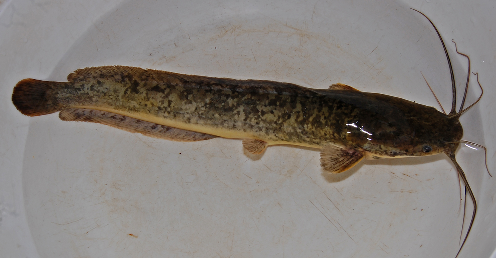
Sharptooth Catfish
The sharptooth catfish (Clarias gariepinus) is a large, robust freshwater species native to Africa. It can breathe air and survive out of water for extended periods. These powerful omnivores grow up to 1.7 m (5 ft 7 in) and 60 kg. They are commonly found in slow-flowing rivers, lakes, and reservoirs, including some areas of the Western Cape.
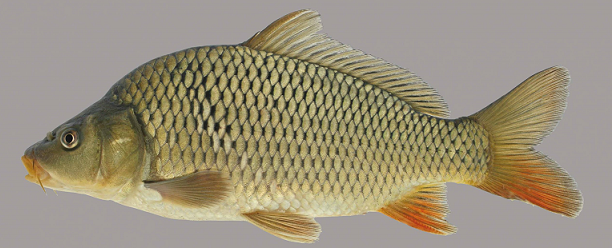
Carp
Carp (Cyprinus carpio) are hardy, omnivorous freshwater fish native to Eurasia but widely introduced globally. They typically have heavy bodies with large scales and two pairs of whisker-like barbels. Carp inhabit slow, shallow, and murky waters, where bottom-feeding stirs up sediment. They can live for over 40 years and are popular sport fish in South Africa.
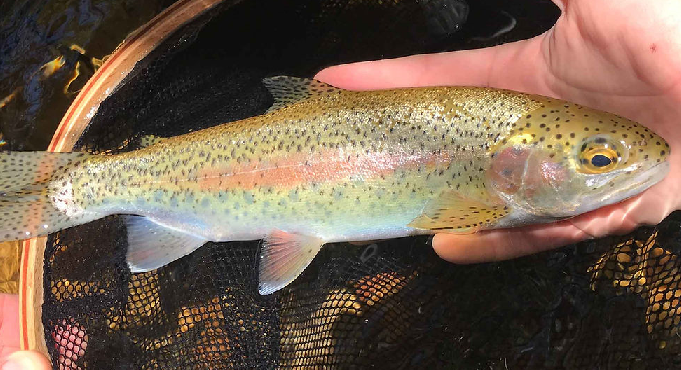
Rainbow Trout
Rainbow trout (Oncorhynchus mykiss) are cold-water salmonids native to North America. They have distinctive reddish-pink lateral stripes, olive-green backs, and black-spotted bodies. Rainbow trout thrive in clear, well-oxygenated rivers and lakes, averaging 0.5–2.5 kg, while sea-run forms (steelhead) can exceed 9 kg. They are carnivorous and spawn in gravel beds, mainly in spring. It was first introduced to South Africa in 1897, but it was only in the 1960’s that sport fishing became popular
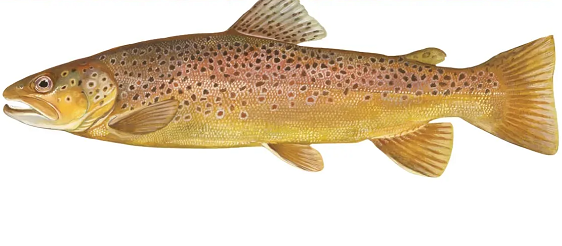
Brown Trout
Brown trout (Salmo trutta) are adaptable salmonids native to Europe and Asia, known for their dark and often red-spotted bodies. They prefer well-oxygenated, fast-flowing rivers or deep, cool lakes. Highly prized by anglers, brown trout are wary and territorial, making them challenging and rewarding to catch.
Brown Trout were introduced into South Africa in 1890. They were brought from Loch Lagan, Scotland. The first successfully bred Brown Trout was recorded in 1893. The Brown Trout adapted so well to South African conditions
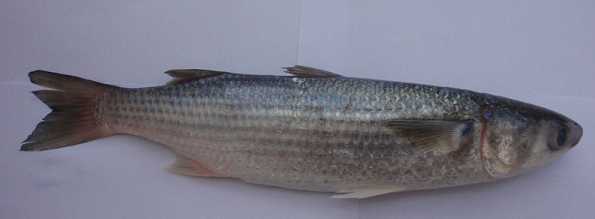
Mullet
Mullets are silver-grey, cylindrical fish found in coastal waters, estuaries, and rivers worldwide. They often feed on algae, detritus, and microorganisms, helping clean their environment. Known for jumping out of the water, mullets live in schools near shallow surfaces. They are popular for both recreational fishing and ecological balance.
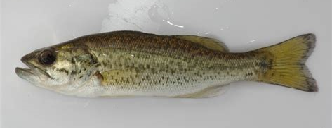
Largemouth Bass
Largemouth bass (Micropterus salmoides) are predatory freshwater fish introduced to South Africa in 1928. They have olive-colored bodies with deeply cleft dorsal fins and feed on fish, frogs, and crustaceans. Adults typically range from 45–65 cm in length and weigh around 2 kg. They thrive in large, warm, slow-moving or still waters, including dams and farm reservoirs.
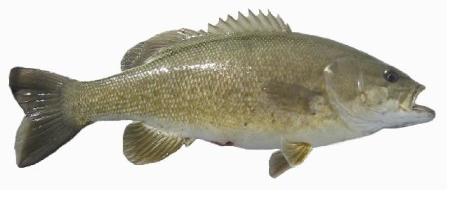
Smallmouth Bass
Smallmouth bass (Micropterus dolomieu) are bronze-olive freshwater fish with vertical bars on their sides. Native to North America, they are aggressive, strong fighters and popular among anglers. Adults grow up to 65 cm, prefer cool, clear water with rocky bottoms, and feed largely on crayfish, small fish, and insects.
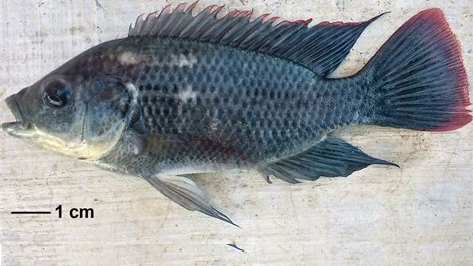
Mozambique Tilapia
Mozambique tilapia (Oreochromis mossambicus) is a robust, adaptable cichlid native to southeastern Africa. They are silvery-green with long dorsal fins and can reach 35–40 cm and around 1.1 kg. Omnivorous, they feed on detritus, algae, small invertebrates, and vegetation. Highly tolerant of salt and freshwater, they are considered one of the world’s most invasive species.
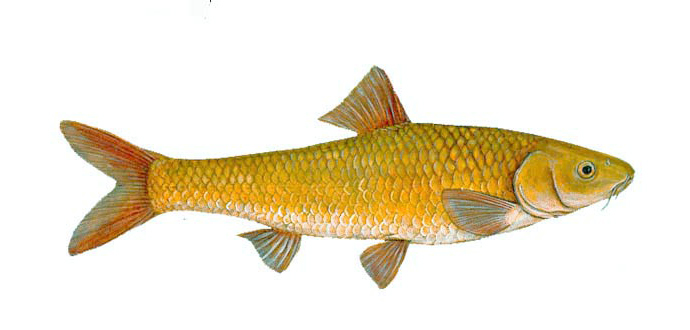
Cape Whitefish
The Cape whitefish (Cheilobarbus capensis), or “witvis,” is an endangered freshwater species endemic to the Western Cape. Found mainly in the Breede River system and dams like Brandvlei and Kwaggaskloof, adults prefer deeper, rocky pools, while juveniles inhabit shallow riffles. They grow up to 60 cm and over 4 kg and are popular among fly-fishers. Omnivorous, they feed on benthic invertebrates, algae, and small aquatic organisms.
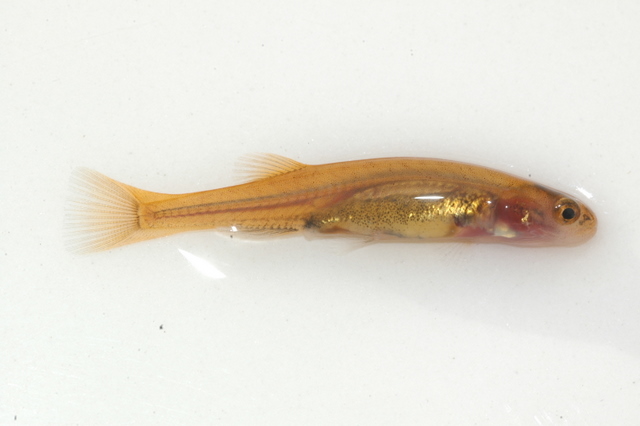
Cape Galaxias
(Galaxias zebratus) The Cape galaxias is a small freshwater fish native to South African streams, rivers, and ponds. It is a tiny, cigar-shaped, with a translucent body (organs and gills visible), has a small dorsal fin, a scaleless body, and is rarely larger than 6 cm. It moves close to river banks for shelter from predators. Feeds on invertebrates. Hardy plants can withstand a variety of water conditions. The Cape galaxias is a threatened species; populations have declined due to competition with introduced trout and bass.
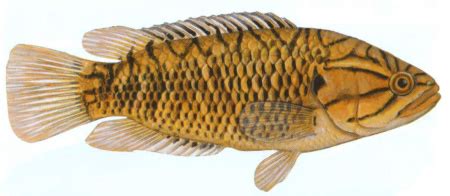
Cape Kurper
(Sandelia capensis) The Cape kurper is endemic to South Africa and belongs to the climbing gourami family (Anabantidae). It has a small, spear-shaped body with a blunt snout, and is Brown to golden-brown with dark markings on the dorsal body extending onto the dorsal and anal fins. Males are more colourful, with breeding males becoming darker. The dorsal fin is long and serrated, and the tail fin is undivided. The Cape Kurper prefers quiet, slow-moving water. Males defend territory and eggs. Feeds mainly on invertebrates. Can grow up to 25 cm and weigh about 200 g. This is a threatened species.
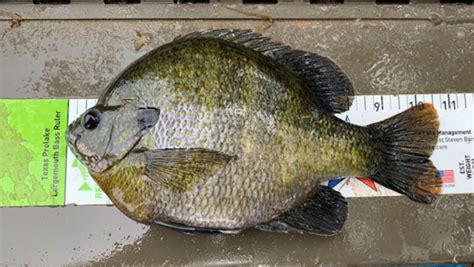
Bluegill sunfish
The bluegill is a North American freshwater fish introduced to South Africa as fodder for largemouth bass. It has a small, rounded body with greenish-blue upper parts and indistinct vertical stripes. Breeding males develop bright orange underbellies. It can reach about 20 cm in length. The bluegill likes still water with vegetation. It feeds on smaller fish and invertebrates.
Also see our Sea Fishing Guide.”
