
Urban farming
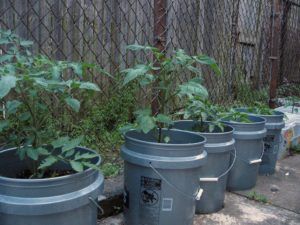
Backyard farming includes a wide array of food-producing projects and activities. It involves growing plants and raising animals in a city environment. This is a “growing” activity which has potential to provide better nourishment for urban communities.
Urban farming can provide income opportunities, but it is popular mostly for its sustainability, affordability, convenience and healthfulness.
Farming in the city takes a few different forms, such as backyard farming, rooftop gardens, balcony gardens, and guerrilla gardening in vacant areas in town and local community gardens.
Types of Urban Farming
There has been quite a resurgence of urban backyard farming as a business venture. Farmers focus on niche markets and specialised produce. Urban farming is often community-based. It creates a sense of belonging and encourages healthy living. These projects can be commercial and create jobs. Urban farming can contribute significantly to the city’s food requirements.
To farm successfully in the city, quite a lot of planning needs to be done. Space and pollution can be a challenge, but an advantage is the proximity to shops and restaurants.
You do not need to have a degree in farming; there is a lot of information out there from which you can learn all you need to know.
Businesses like to deal directly with the growers as this cuts out the middleman and cuts costs.
With Urban farming, you need to just make good use of the space you have. You can begin with your own garden to grow food and expand from there.
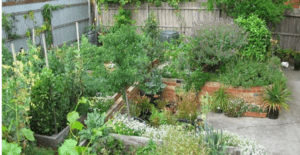
Other backyard farming ideas
Allocate a small space in your yard where you can grow many varieties. You can use trellises, cages and other structures. These gardens can be attractive as well as practical.
Fruit-bearing bushes like raspberries, blueberries and currants are nice bushes. They bear fruit for many years.
With the population growth, human habitation patterns have changed. Most people on the planet live in cities, and taking advantage of open urban space can be an important source of food, such as fresh fruit and vegetables.
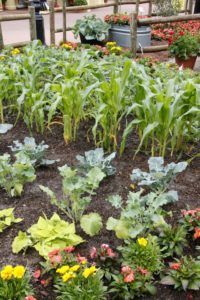
Gardening for food
If you are a keen gardener, or even if you are not. You can grow your own food garden at home. You can find plants that can not only be decorative but can also produce food for you and your family.
Fruit trees are a more long-term plan. These are beautiful and covered in blossoms in spring, and will provide fruit for many years
A more self-sufficient lifestyle?
If you want to grow your own food garden, you can start in your backyard or balcony. Even if you have a very small space, you can make use of it using containers or even planning a vertical garden.
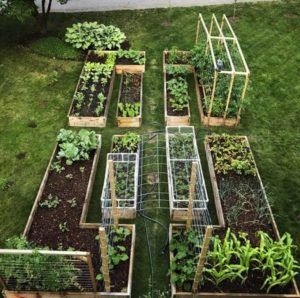
Start with a small food-growing project
Your food garden does not need to take up the whole space. You can begin by creating a small food garden. Begin with growing tomatoes or cucumbers, which do not need a lot of care.
Most vegetables just need enough sun and regular watering. You can recycle all your household organic waste and make compost.
If you opt for container gardening and growing on frames and trellises, you can look at squash, beans, peas, melons and cucumbers, which are easy to grow. These require sturdy stakes, which are easy to install.
Pretty food gardens
Greening your environment is not only attractive, but when you grow your own food, it will provide you with nutrients that have not been exposed to chemical fertilisers.
Plants that can be eaten can also be colourful and attractive, and can make an interesting change from flowering annuals. Scarlet runner beans grow fast and have showy red flowers; cherry tomatoes are attractive crops. Edible flowers such as pansies and nasturtiums are attractive additions to salads. Herbs are easy to grow between your plants. You can grow edible plants in hanging baskets, too.
Vegetable Landscaping
Also called edible landscaping, you can include edible flowers and all sorts of vegetables all over the garden.
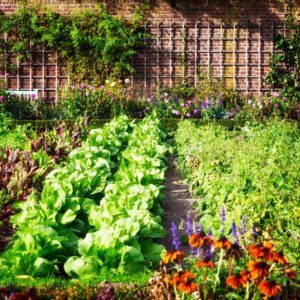
Variety in your food garden
It is important to grow a variety of crops in your yard. Rather, opt for fewer plants and more variety. With variety, you will be picking different crops at different times, as they grow and mature at different times, it would probably be wasteful to concentrate on one crop unless you have a ready market.
Pros and cons
- Has great production potential
- Helps you buy local
- It is good for the ecosystem of the city.
- Urban farming helps build neighbourhoods
- Urban backyard farming alone can’t meet all of a city’s Nutritional Needs
- The possibility that food from urban farms could be contaminated by pollution
- Colourdots is an independent regional information resource for the Western Cape.
Learn more about the project HERE
