Attaquaskloof Ox wagon trail
The Attaquaskloof Ox wagon trail was discovered in 1689. It has a long history and was one of the earliest recorded crossings of the Outeniqua mountains into the Klein Karoo. Khoi chief Hykon of the Inkgua people, who lived in the Klein Karoo, requested a trade visit from the European settlers at the Cape, who had by then been established for 37 years. The request was approved by Governor Simon van der Stel, who sent Ensign Isaac Schrijver of the Dutch East India Company and a party of 21 men on the journey.
Travelling east along the old Kaapse Wagenweg before turning inland near present-day Mossel Bay, the expedition followed an established Khoi migration route through Attaquaskloof. Schrijver’s crossing became the first documented settler route over the mountains and took about a week to complete.
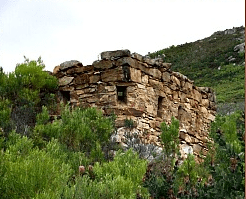
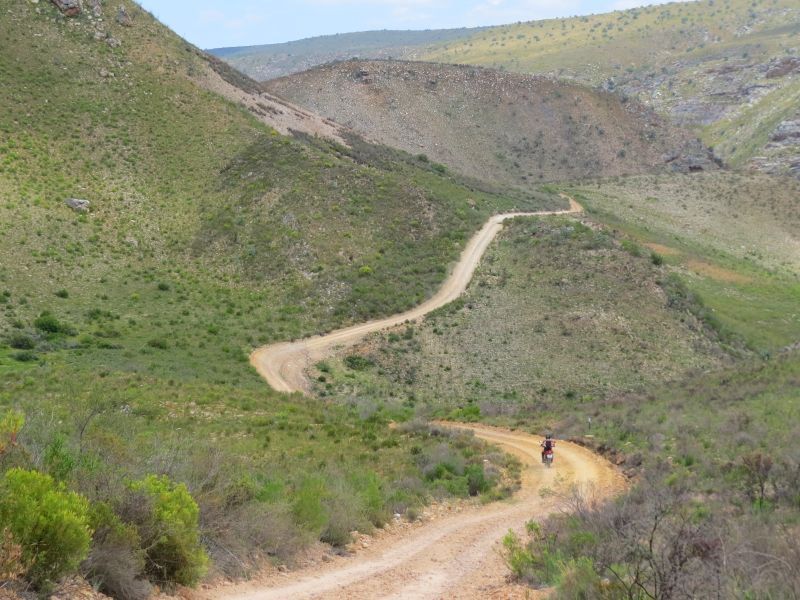
Over time, Attaquaskloof became an important transport route into the interior and was later used by explorers, including Van Plettenberg and Van Reenen. For nearly 180 years, thousands of ox wagons passed through the pass carrying people and supplies. Until the Robinson Pass was built in 1869, the route was trampled by thousands of oxen dragging wagons. This is rated as one of the top 10 4×4 trails in Southern Africa. Interesting sights of historical significance are the ruins of an old toll house and an Anglo-Boer War blockhouse.