
Common Snakes found in the Western Cape
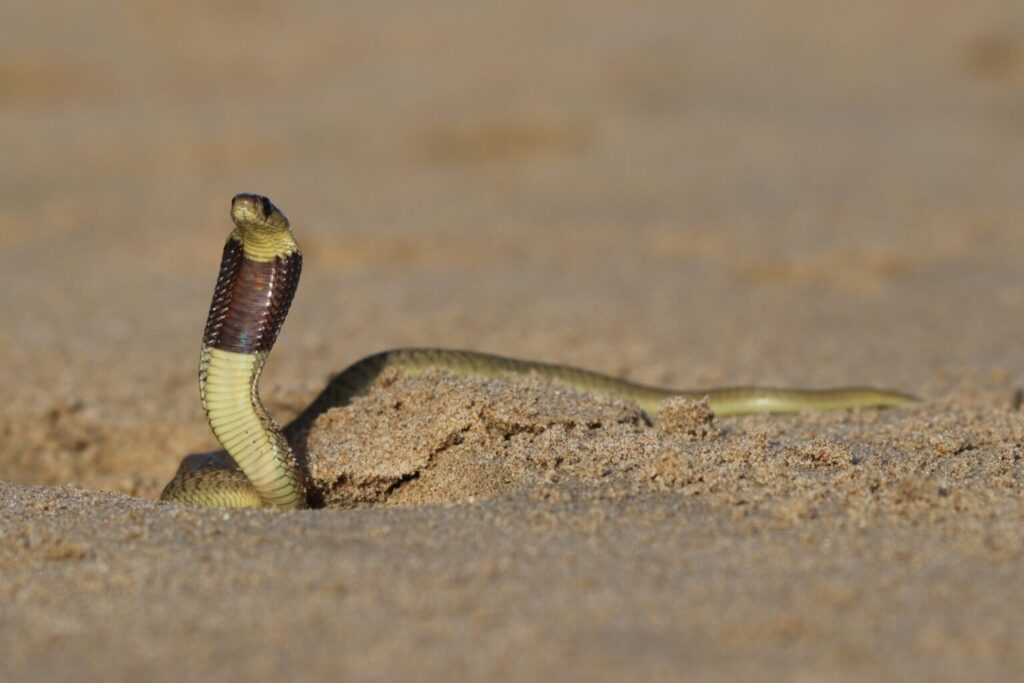
The Western Cape is home to over 40 species of snakes, and encounters occasionally occur in gardens, greenbelts, and hiking areas across Cape Town and surrounding towns. Most species are harmless and avoid people, but a small number are medically significant and should always be treated with caution.
This guide explains the common snakes you may encounter, clears up widespread misconceptions, and provides clear steps to follow if you see a snake or if a bite occurs.
Snakes play an important role in the ecosystem by controlling rodents and other pests. The majority of bites happen when a snake is handled, cornered, or accidentally stepped on.
The African Snakebite Institute reports around 4,000 snakebites annually in South Africa, with approximately 900 requiring hospital treatment..
Snake removals around the Western Cape
Popular Myths: Setting the record straight
- Snakes do not purposely attack people.
• They do not move around in revenge-seeking pairs.
• Puff adders do not strike backwards, and young do not eat their way out of the mother.
• Snake repellents, old oil, Jeyes fluid, gravel, vibrating spikes, garlic or plants do not keep snakes away.
• Only antivenom can successfully treat a serious venomous bite.
• Not every snake bite injects venom — snakes control their venom.
• Panic and shock can be more dangerous than the venom itself. Staying calm is critical.
If you come across a snake and cannot identify it, move slowly away and contact a trained snake remover. In the wild, give the snake space and allow it to move off.
Snakes You May Encounter in the Western Cape
Brown House Snake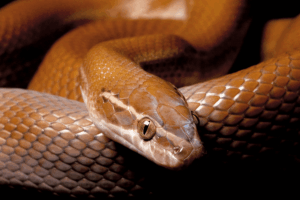
(Boaedon capensis) is a very common, completely harmless snake often found in suburban gardens and buildings, where it hunts rodents. It grows between 1–1.5 m and is light to reddish brown with pale lines near the eyes. It is nocturnal and kills prey by constriction. A helpful species to have around homes.
Mole Snake (Molslang)
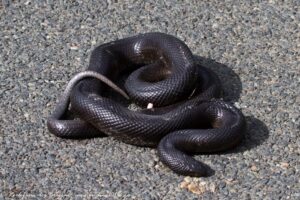
(Pseudaspihis Cana) is a large, powerful, non-venomous snake reaching up to 1.8 m. Often black in the Western Cape, with a pointed snout for burrowing. It spends much time underground hunting rodents and mole-rats. Although harmless, it can deliver a painful bite if cornered. It is an excellent natural rodent controller.
Common Egg Eater
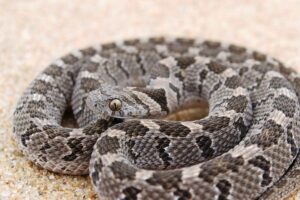
This snake is slender and harmless; it grows to (50–70 cm) and has bold blotches and V-shaped head markings. It specialises in eating bird eggs, swallowing them whole and regurgitating the shell. Often found near termite mounds or climbing in bushes. It has tiny teeth and poses no danger to humans. Commonly found when hiking on the West Coast on trails such as Eve’s Trail or the Berg River Trail
Herald Snake (Red-lipped Snake)
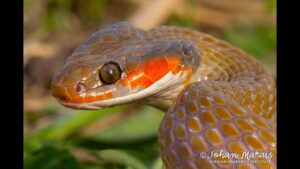
Crotaphopeltis hotamboeia is a small, slender snake that grows to about 45–75 cm. It has a glossy dark head and often red or cream lips. Found in gardens, especially near damp areas where frogs are present. It has mild venom but is considered harmless to humans. It may flatten its head and strike if threatened.
Boomslang (Tree Snake)
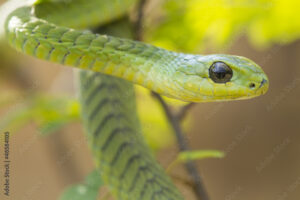
A long, slender, large-eyed snake (1.2–1.5 m) that spends most of its time in trees. It is highly Venomous. Males are often green or black with markings; females are brownish. It has potent haemotoxic venom that causes severe internal bleeding. However, it is shy, and bites are rare, usually involving handlers. Do not attempt to handle. This snake is most threatened by the destruction of its habitat and intentional killing by humans.
Puff Adder
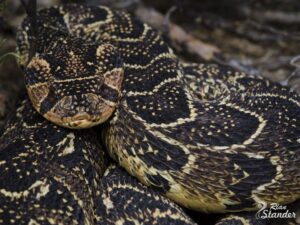
(Bitis Arietans) These are dangerous snakes. They have a thick, heavy body (around 1 m) with distinctive chevron patterns and excellent camouflage. Responsible for many serious snakebites in Africa due to its camouflage and fast strike. Its venom is cytotoxic and can cause severe tissue damage. Usually active at dusk and after dark. It will hiss loudly when disturbed.
Common Slug Eater
Duberria lutrix is a small, harmless snake that grows to between 25 and 40 cm and feeds exclusively on slugs and snails. Brown with subtle colour differences between the back and sides. Often found in moist gardens. Completely non-venomous and beneficial. It is a slow-moving species that is frequently killed by vehicles on roads.
Spotted Skaapsteker
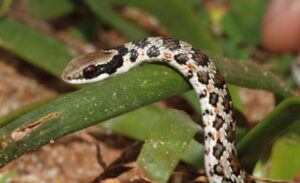
Psammophylax rhombeatus rhombeatus is a medium-sized snake that grows to up to 1.2 m. It has rows of dark spots on a pale background. Found in fynbos and mountainous areas. It has weak venom that is not medically significant. Generally docile but may bite if restrained. Habitat loss is the only known threat.
Cape Cobra
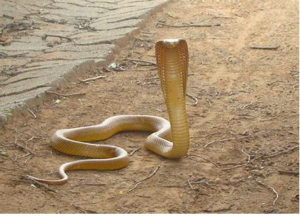
(Naja nivea), A slender cobra (up to 1.6 m) with colour ranging from yellow to brown to black. Active during the day. When threatened, it spreads a hood and may stand its ground if cornered. Its venom is strongly neurotoxic and can cause respiratory failure. Immediate medical treatment is critical.
Black Spitting Cobra
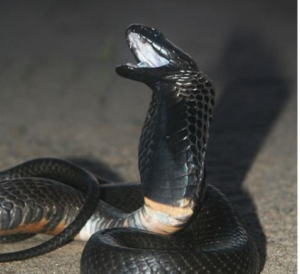
(Naja Woodii) This very dangerous black cobra grows to between 1.2 m and 1.5 m. It can spit venom accurately up to 2 metres, usually aiming for the eyes. It is mostly nocturnal. Venom is cytotoxic and can cause severe tissue damage. A bite is a medical emergency. If venom enters the eyes, rinse immediately with plenty of water and seek urgent medical care.
Rinkhals
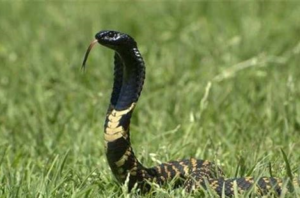
(Hemachatus haemachatus) This snake is often confused with a cobra; the Rinkhals has black and white throat bands and keeled scales. It can spread a hood and may spit venom. It sometimes plays dead when threatened. Venom is dangerous, and medical treatment is required after a bite.
What To Do In The Event of a Snake Bite
- Stay calm. Panic increases heart rate and spreads venom faster.
- Keep the victim still and immobilised.
- Remove jewellery and tight clothing.
- Elevate the affected limb slightly.
- Note the time of the bite.
- Transport immediately to the nearest hospital.
- Phone ahead if possible.
- Do NOT:
- Apply a tourniquet
- Cut or suck the wound
- Use ice or hot water
- Give alcohol
- Apply an electric shock
- Attempt to inject antivenom yourself
If the person stops breathing, begin artificial respiration. In the case of spitting cobra venom in the eyes, rinse thoroughly with running water and seek immediate treatment.
NOTE: Only a hospital can properly administer antivenom.
Snakes are an essential part of the Western Cape’s natural heritage. By understanding them, respecting their space, and knowing what to do in an emergency, we can safely coexist with these remarkable reptiles.
If you see a snake in the Western Cape
-
Do not try to kill it
-
Keep children and pets away
-
Watch from a safe distance
See Vets who treat snake bites
Find a list of snake removal experts HERE
- Colourdots is an independent regional information resource for the Western Cape.
Learn more about the project HERE
